
Table Of Content
| Section | Subsection |
|---|---|
Introduction |
|
| Evolution of Video Games and Car Culture | |
| Cultural Impact of Video Games on Car Enthusiasts | |
Virtual Car Customization and Design |
|
| Overview of In-Game Customization Options | |
| Inspiration for Real-World Modifications | |
| Examples of Virtual-to-Real Conversions | |
Technological Advancements and Design Innovation |
|
| Integration of Automotive Technology in Video Games | |
| Influence of Futuristic Designs on Real-World Innovation | |
| Collaborations Between Automakers and Game Developers | |
Cross-Pollination of Design Concepts |
|
| Borrowing Design Elements from Video Games | |
| Examples of Video Game-Inspired Designs | |
| Feedback Loop Between Virtual and Physical Design | |
Educational and Training Opportunities |
|
| Role of Racing Simulators in Driver Training | |
| Utilization of Video Games in Automotive Design Education | |
| Impact on Career Paths in the Automotive Industry | |
Cultural Representation and Diversity |
|
| Representation of Diverse Car Cultures in Video Games | |
| Exploration of Different Automotive Subcultures | |
| Influence on Perceptions of Car Culture | |
Challenges and Controversies |
|
| Debate Over Realism vs. Artistic Freedom | |
| Concerns About Promoting Illegal Street Racing | |
| Addressing Ethical Considerations in Video Game Car Design | |
Environmental Considerations and Sustainability |
|
| Integration of Eco-Friendly Vehicles in Video Games | |
| Influence on Consumer Demand for Sustainable Car Design | |
| Role of Video Games in Promoting Environmental Awareness | |
The Future of Video Games and Car Design |
|
| Potential of Virtual Reality (VR) and Augmented Reality (AR) Technologies | |
| Emerging Trends in Video Game Car Design | |
| Speculations on the Continued Evolution of the Relationship | |
Conclusion |
The Influence of Video Games on Car Culture and Design
Video games have become an integral part of modern culture, shaping entertainment, technology, and even influencing societal trends. One such area where their impact is profound yet often overlooked is in the realm of car culture and automotive design. From the early days of pixelated arcade racing games to the hyper-realistic simulations of today, video games have played a significant role in shaping how we perceive, interact with, and design cars.
Introduction
In an era dominated by digital experiences, video games have emerged as a powerful medium for cultural expression and exploration. The intersection of video games, car culture, and design represents a fascinating blend of creativity, technology, and passion. This article delves into the multifaceted relationship between video games and the automotive world, examining how virtual experiences influence real-world car culture and design trends.
Evolution of Video Games and Car Culture
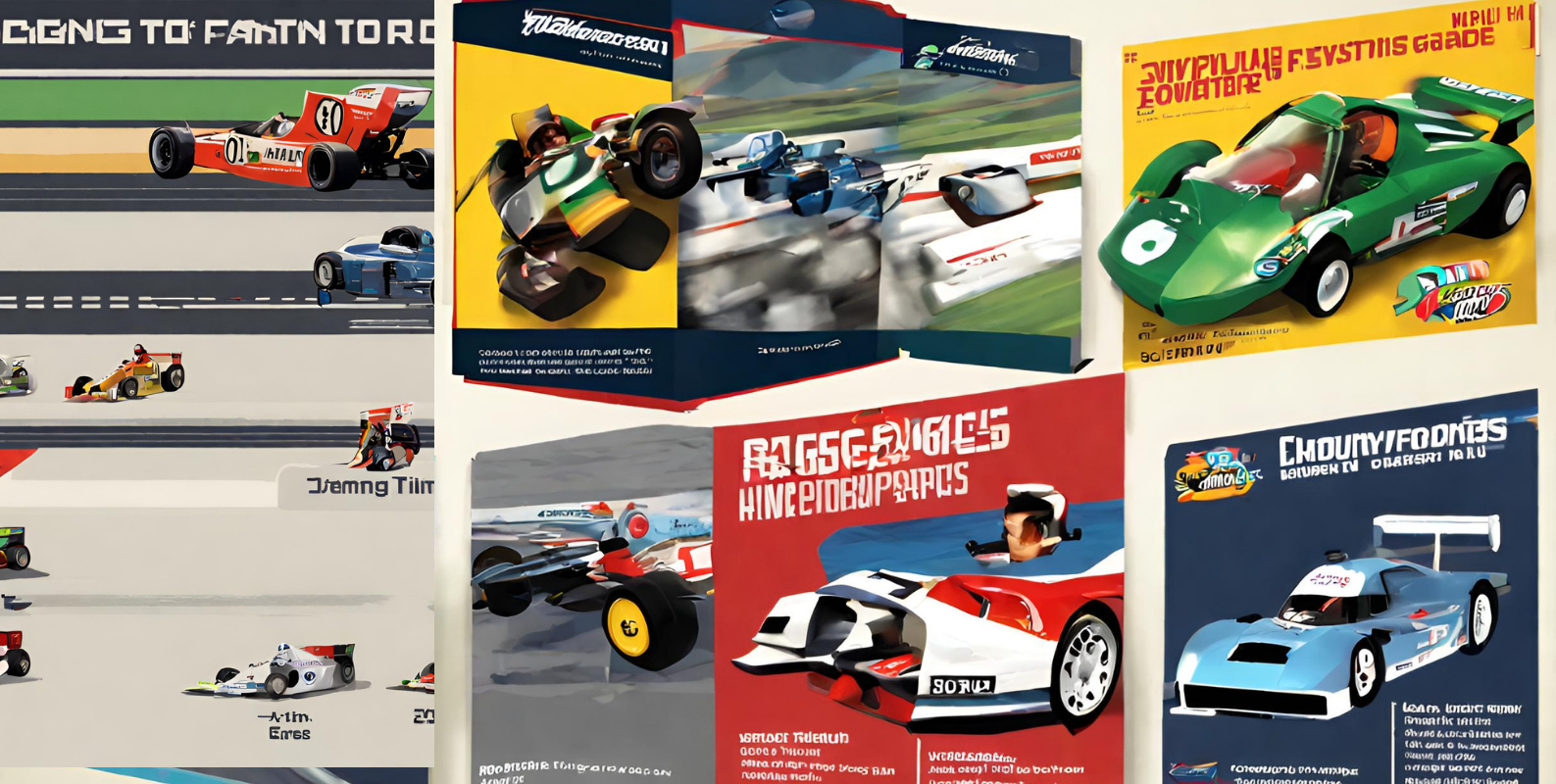
The evolution of video games mirrors the evolution of car culture itself. In the early days of gaming, simplistic representations of cars in arcade classics like “Pole Position” and “Out Run” captured the imagination of players worldwide. These games, though basic by today’s standards, laid the foundation for the integration of cars into the gaming landscape.
As technology advanced, so too did the fidelity of video game graphics and physics engines. Realistic racing simulations like “Gran Turismo” and “Forza Motorsport” provided players with immersive experiences that closely mirrored the sensation of driving high-performance vehicles. These games not only appealed to car enthusiasts but also introduced a new generation to the thrill of automotive racing.
The Influence of Video Games on Car Culture and Design
In the modern era, video games have transcended their status as mere entertainment and have become a significant cultural force, influencing various aspects of society, including technology, art, and even automotive culture. This article aims to explore the profound impact that video games have had on car culture and automotive design, tracing the evolution of this relationship from the early days of arcade gaming to the present era of hyper-realistic simulations.
Evolution of Video Games and Car Culture
Early Representations of Cars in Video Games In the nascent stages of video game development, cars were often portrayed in simplistic forms due to technological limitations. Classic arcade games like “Pole Position” and “Out Run” featured basic 2D graphics, where players controlled blocky vehicles on rudimentary tracks. Despite their simplicity, these games laid the groundwork for the integration of cars into gaming culture.
Transition to Realistic Racing Simulations As technology progressed, so did the fidelity of video game graphics and physics engines. This evolution paved the way for the emergence of realistic racing simulations such as “Gran Turismo” and “Forza Motorsport.” These games offered players an immersive experience that closely replicated the sensation of driving high-performance vehicles, complete with accurate physics, detailed car models, and realistic tracks.
Impact of Arcade Racing Games While realistic simulations catered to enthusiasts seeking authentic driving experiences, arcade racing games continued to capture the imagination of a broader audience. Titles like “Mario Kart” introduced whimsical characters and fantastical tracks, appealing to casual gamers and families. Despite their departure from realism, arcade racing games played a vital role in popularizing car culture among a diverse demographic.
Cultural Impact of Video Games on Car Enthusiasts
Formation of Online Communities One of the most significant consequences of the proliferation of video games is the formation of robust online communities and forums dedicated to automotive enthusiasts. Platforms like Reddit, Discord, and dedicated gaming websites serve as virtual gathering places where enthusiasts from around the world congregate to discuss their passion for cars, share tips and strategies, and organize virtual racing events.
Influence on Car Modification Trends Video games have also exerted a profound influence on car modification trends, inspiring enthusiasts to replicate their favorite virtual designs in the real world. Games like “Need for Speed” and “Forza Horizon” offer extensive customization options, allowing players to personalize every aspect of their virtual rides, from engine performance to exterior aesthetics. This creative outlet serves as a breeding ground for innovative modifications, driving trends in the aftermarket automotive industry.
Role in Shaping Car Enthusiast Identity Beyond facilitating social interactions and inspiring creative expression, video games play a significant role in shaping the identity of car enthusiasts. For many players, their virtual car collections and accomplishments serve as badges of honor, reflecting their knowledge, skill, and dedication within the gaming community. In this way, video games contribute to the formation of a distinct car enthusiast subculture, characterized by camaraderie, competition, and shared passion.
Virtual Car Customization and Design
Overview of In-Game Customization Options One of the defining features of modern racing games is the extensive customization options available to players. Whether it’s tweaking engine parameters, installing aftermarket parts, or applying custom paint schemes, players have unparalleled freedom to tailor their virtual vehicles to their liking. Games like “Forza Motorsport” and “The Crew” offer intricate customization interfaces, allowing players to fine-tune every aspect of their cars’ performance and aesthetics.
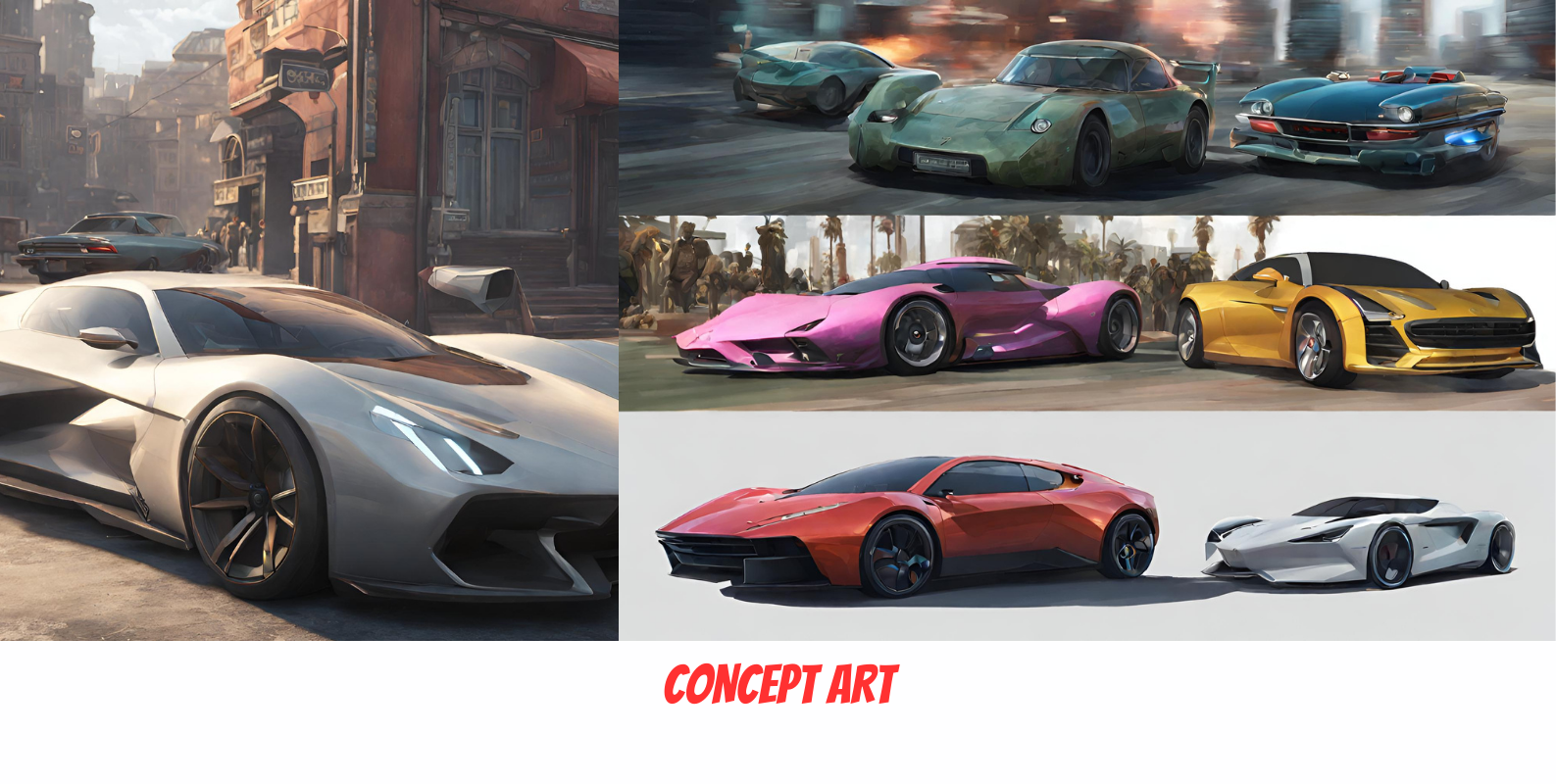
Inspiration for Real-World Modifications The boundary between virtual and real-world car customization has become increasingly blurred, with many enthusiasts drawing inspiration from their favorite video games when modifying their vehicles. Designs that were once confined to the digital realm are now brought to life on the streets, as players replicate iconic liveries, body kits, and performance upgrades seen in their favorite games. This phenomenon underscores the symbiotic relationship between virtual and real-world car culture, where ideas flow seamlessly between the two realms.
Examples of Virtual-to-Real Conversions Numerous examples exist of virtual car designs making the leap from the digital world to the streets. From custom-painted liveries inspired by racing game franchises to replica body kits modeled after virtual counterparts, enthusiasts have demonstrated their dedication to bringing their virtual fantasies to life. Notable examples include the “Pandem” wide-body kits popularized by the “Need for Speed” franchise and the “Liberty Walk” conversions inspired by Japanese racing games like “Initial D.”
Technological Advancements and Design Innovation
Integration of Automotive Technology in Video Games Modern racing simulations are not only showcases of graphical prowess but also testbeds for cutting-edge automotive technology. Games like “Project CARS” and “Assetto Corsa” feature advanced physics engines that accurately simulate the behavior of real-world vehicles, taking into account factors such as tire grip, aerodynamics, and suspension dynamics. This level of realism provides players with valuable insights into the intricacies of vehicle dynamics and handling.
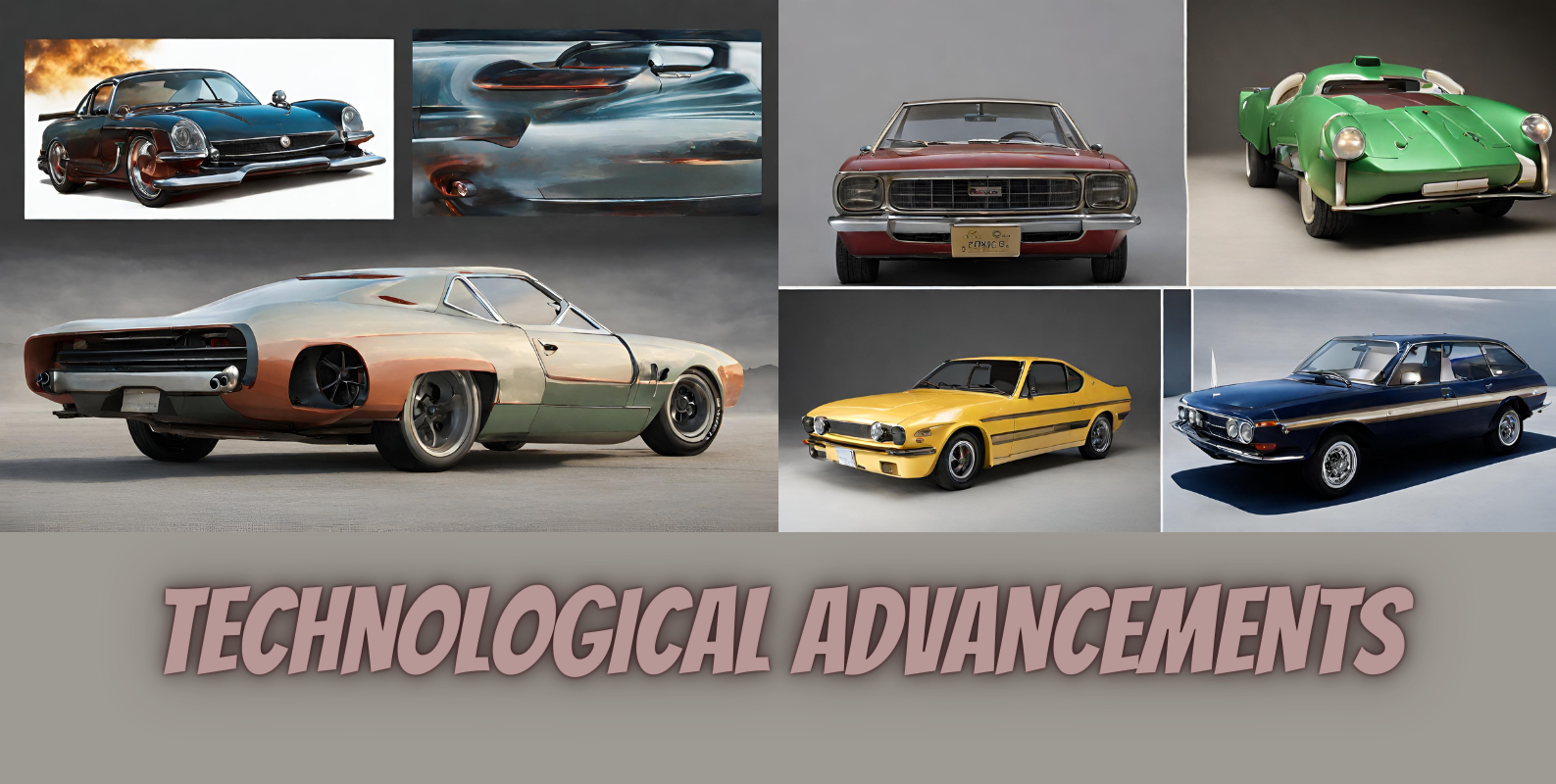
Influence of Futuristic Designs on Real-World Innovation Video games often serve as incubators for futuristic design concepts that push the boundaries of conventional automotive aesthetics. Concepts that may seem outlandish or impractical in the real world find a home in virtual environments, where artistic freedom reigns supreme. However, these concepts are not confined to the realm of fantasy; they often inspire real-world innovation by challenging designers to think outside the box and explore unconventional solutions to contemporary automotive challenges.
Collaborations Between Automakers and Game Developers In recent years, there has been a growing trend of collaboration between automakers and game developers, leading to cross-promotional partnerships and exclusive in-game content. Automakers see video games as a valuable marketing platform for showcasing their latest models and technologies to a global audience of enthusiasts. Conversely, game developers benefit from access to real-world data and expertise, enabling them to create more accurate and immersive virtual experiences for players.
Cross-Pollination of Design Concepts
Borrowing Design Elements from Video Games The influence of video games on automotive design is not limited to virtual environments; it extends to the physical realm as well. Automakers frequently draw inspiration from popular video game franchises when designing concept cars and prototypes, incorporating futuristic design elements and cutting-edge technologies into their vehicles. Concepts that were once considered purely speculative in games become tangible embodiments of innovation on the showroom floor.
Examples of Video Game-Inspired Designs Numerous examples exist of video game-inspired designs making their way into real-world automotive concepts. For instance, the iconic “Nissan GT-R” sports car drew inspiration from the legendary “Gran Turismo” racing game series, where it achieved virtual fame as a high-performance racing machine. Similarly, the “Lamborghini Huracán” features design elements influenced by its appearance in the “Forza Horizon” franchise, highlighting the synergistic relationship between virtual and real-world automotive design.
Feedback Loop Between Virtual and Physical Design The exchange of design concepts between video games and the automotive industry creates a feedback loop where ideas flow freely between virtual and physical realms. Designs that originate in games may inspire real-world prototypes, which, in turn, find their way back into subsequent iterations of video games. This iterative process fosters continuous innovation and creativity, driving the evolution of automotive design in both virtual and real-world contexts.
Educational and Training Opportunities
Role of Racing Simulators in Driver Training Racing simulators have emerged as invaluable tools for driver training and skill development, offering a safe and cost
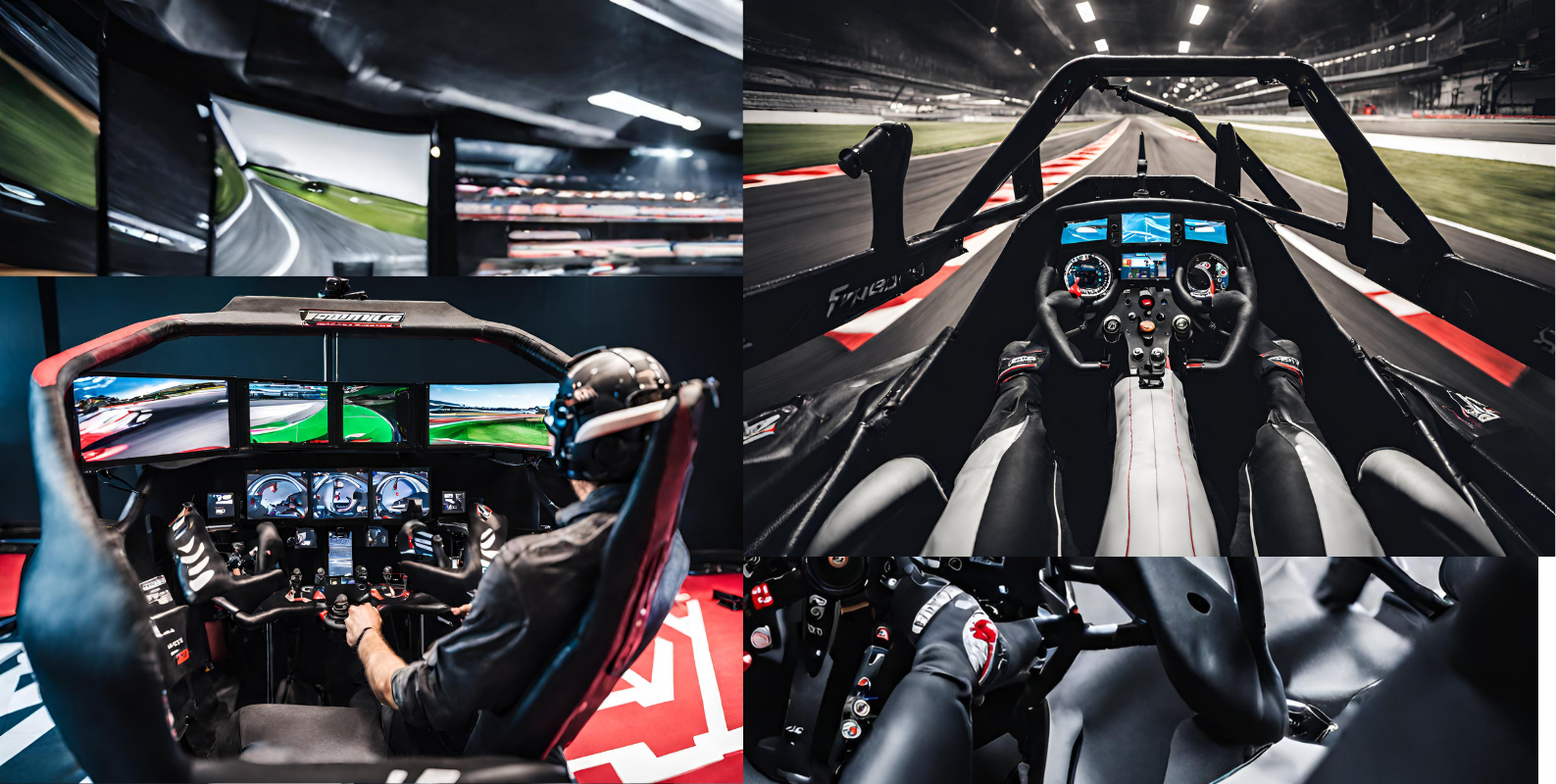
effective alternative to real-world track experiences. Professional drivers and aspiring racers alike use simulators like “iRacing” and “rFactor” to refine their driving techniques, experiment with different racing strategies, and familiarize themselves with the intricacies of various tracks. The realism of these simulations, coupled with advanced force-feedback steering wheels and pedal sets, provides a highly immersive training environment that closely mirrors the challenges of real-world racing.
Utilization of Video Games in Automotive Design Education In addition to driver training, video games are increasingly being integrated into automotive design education programs. Universities and design schools leverage games like “Autodesk Alias” and “Blender” to teach students the fundamentals of digital modeling, clay sculpting, and surface manipulation. These tools allow aspiring designers to hone their skills in a virtual environment, experimenting with different design concepts and exploring the boundaries of automotive aesthetics.
Impact on Career Paths in the Automotive Industry The prevalence of video games in automotive culture has also influenced career paths within the industry. Aspiring designers, engineers, and marketers often cite their passion for gaming as a driving force behind their career choices. Many professionals working in the automotive sector started as avid gamers, using their love of cars and technology as a springboard to pursue rewarding careers in fields such as automotive design, engineering, and marketing.
Cultural Representation and Diversity
Representation of Diverse Car Cultures in Video Games One of the strengths of video games is their ability to represent diverse cultures and subcultures, including various facets of car culture. Games like “Need for Speed: Underground” and “Forza Horizon” feature a wide range of vehicles, from Japanese tuner cars to American muscle cars, catering to enthusiasts from different regions and backgrounds. This diversity of representation fosters inclusivity and fosters a sense of belonging among players from diverse cultural backgrounds.
Exploration of Different Automotive Subcultures Video games provide a platform for exploring different automotive subcultures, allowing players to immerse themselves in various scenes and communities. From drift racing in the mountains of Japan to drag racing on the streets of Los Angeles, games offer a glimpse into the rich tapestry of global car culture. Players can customize their virtual rides to reflect their personal tastes and preferences, connecting with like-minded enthusiasts from around the world.
Influence on Perceptions of Car Culture The portrayal of car culture in video games has a significant impact on players’ perceptions and attitudes toward automotive enthusiasts. Games often depict car enthusiasts as passionate individuals who take pride in their vehicles and enjoy the camaraderie of fellow enthusiasts. This positive representation helps dispel stereotypes and misconceptions surrounding car culture, showcasing it as a diverse and vibrant community driven by shared passion and camaraderie.
Challenges and Controversies
Debate Over Realism vs. Artistic Freedom One of the ongoing debates in the world of video game car design revolves around the balance between realism and artistic freedom. While hyper-realistic simulations strive for accuracy and authenticity, arcade-style games prioritize fun and accessibility, often sacrificing realism for the sake of gameplay. Game developers must strike a delicate balance between these competing priorities, catering to both hardcore enthusiasts and casual gamers alike.
Concerns About Promoting Illegal Street Racing Another concern surrounding video games is the portrayal of illegal street racing and reckless driving. Games like the “Grand Theft Auto” series and “Need for Speed” franchise often feature high-speed chases and dangerous maneuvers, raising concerns about their potential influence on impressionable players. Critics argue that these depictions glorify illegal behavior and may encourage players to engage in risky driving practices in real life.
Addressing Ethical Considerations in Video Game Car Design Game developers must navigate ethical considerations when designing virtual cars and environments. While creative freedom is essential, developers must be mindful of the potential impact of their creations on players’ behavior and attitudes. Incorporating safety messages, promoting responsible driving practices, and offering alternative gameplay options can help mitigate these concerns and ensure that games are both entertaining and socially responsible.
Environmental Considerations and Sustainability
Integration of Eco-Friendly Vehicles in Video Games As environmental awareness grows, video games are increasingly incorporating eco-friendly vehicles and sustainable transportation solutions into their virtual worlds. Games like “Cities: Skylines” and “SimCity” feature electric cars, hybrid vehicles, and public transportation options, encouraging players to consider the environmental impact of their virtual cities and transportation networks.
Influence on Consumer Demand for Sustainable Car Design Moreover, video games have the potential to influence consumer demand for sustainable car design by showcasing innovative technologies and eco-friendly features. Games that emphasize the benefits of electric vehicles, hydrogen fuel cells, and renewable materials raise awareness of environmentally friendly transportation solutions and encourage players to consider these factors when purchasing real-world vehicles.
Role of Video Games in Promoting Environmental Awareness Beyond showcasing sustainable technologies, video games can also raise awareness of environmental issues such as air pollution, climate change, and habitat destruction. Games like “Farming Simulator” and “Planet Zoo” allow players to experience the consequences of their actions firsthand, fostering a deeper understanding of the inter-connectedness of human activities and environmental outcomes.
The Future of Video Games and Car Design
Potential of Virtual Reality (VR) and Augmented Reality (AR) Technologies As virtual reality (VR) and augmented reality (AR) technologies continue to evolve, the future of video games and car design holds boundless possibilities. VR headsets offer immersive experiences that transport players into the driver’s seat of their favorite cars, allowing them to explore virtual environments and interact with vehicles in unprecedented ways. Similarly, AR applications enable players to overlay virtual cars onto real-world environments, blurring the boundaries between fantasy and reality.
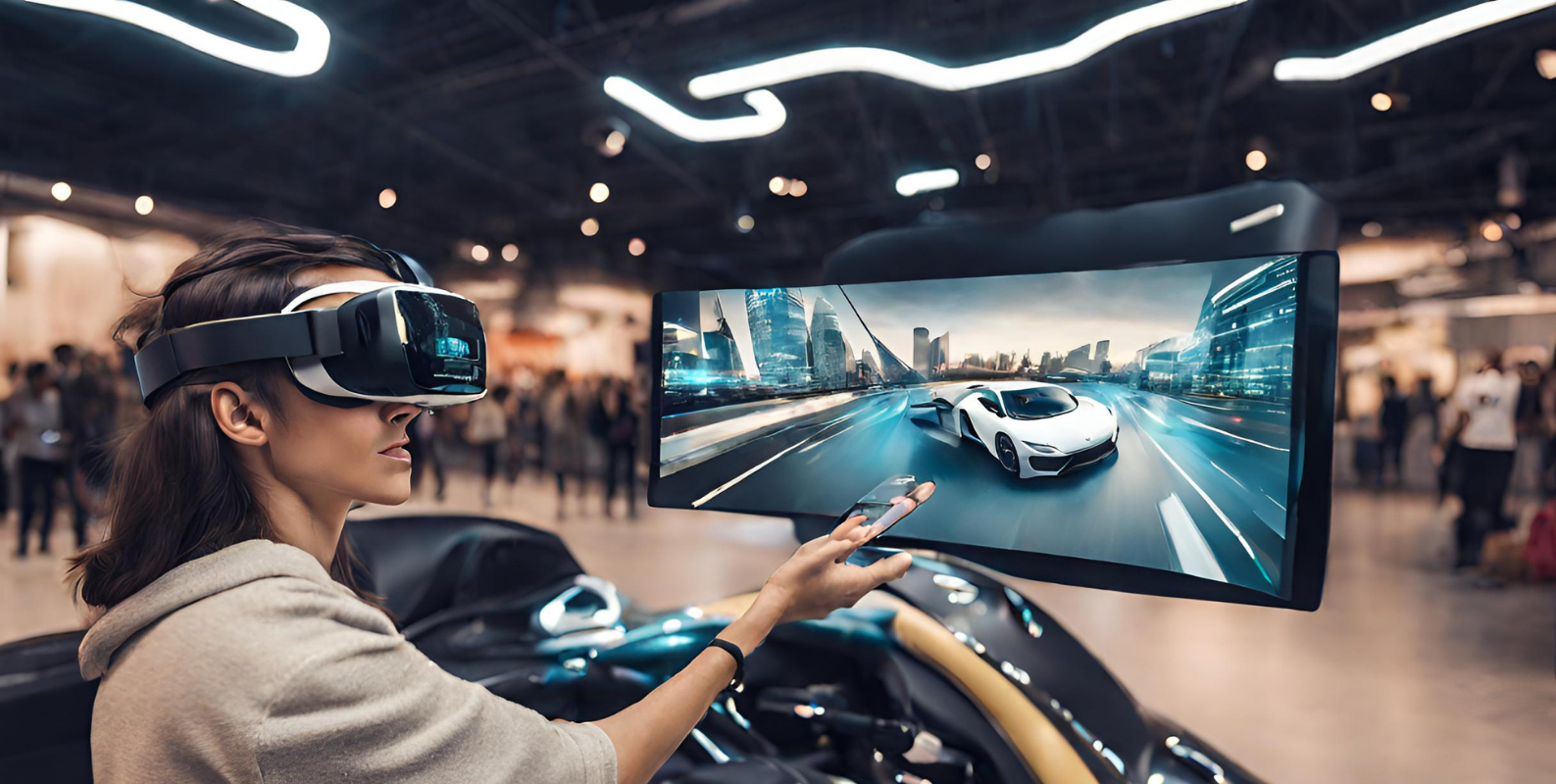
Emerging Trends in Video Game Car Design Looking ahead, we can expect to see continued innovation and experimentation in video game car design. Games will continue to push the boundaries of creativity and technology, offering players ever more immersive and realistic experiences. From dynamic weather effects and destructible environments to advanced customization options and interactive storytelling, the future of video game car design is limited only by the imagination of developers and players alike.
Speculations on the Continued Evolution of the Relationship As video games and car culture continue to evolve, so too will their relationship. The symbiotic interplay between virtual and real-world automotive experiences will deepen, with each realm informing and enriching the other. Whether it’s through collaborative partnerships between automakers and game developers, or grassroots initiatives driven by passionate enthusiasts, the influence of video games on car culture and design will only continue to grow in the years to come.
Conclusion
In conclusion, the influence of video games on car culture and design is undeniable. From shaping car modification trends to inspiring technological innovations, video games have left an indelible mark on the automotive world. Through virtual car customization, cross-pollination of design concepts, and educational opportunities, games have become a driving force behind the evolution of car culture. Looking ahead, the future holds endless possibilities for the synergy between video games and car design. As virtual reality technology advances and environmental concerns drive innovation, we can expect to see even closer integration between virtual and real-world automotive experiences. In essence, video games are not merely entertainment—they are a catalyst for creativity, community, and cultural exploration. By bridging the gap between imagination and reality, they continue to shape the way we think about cars, both on-screen and off.