

What is the Infrastructure Bill USA?
The Infrastructure Bill USA, officially known as the Infrastructure Investment and Jobs Act (IIJA) or the Bipartisan Infrastructure Law (BIL), marks a significant milestone in American legislative history. Signed into law on November 15, 2021, this groundbreaking bill allocates $1.2 trillion towards enhancing the nation’s infrastructure, with $550 billion earmarked for new investments across various sectors. According to the White House’s official fact sheet and Congress.gov, the bill aims to modernize and rejuvenate America’s roads, bridges, public transit systems, broadband internet, water infrastructure, and more, addressing decades of underinvestment and wear (White House Briefing Room; Congress.gov).
Who Will Benefit Most from This Bill?
The Bipartisan Infrastructure Law is designed to be a boon for a wide range of Americans. Workers in construction, engineering, and technology will see direct job creation, tackling unemployment and providing stable employment opportunities. Communities, especially those historically underserved, will witness a transformative change with improved access to clean water, reliable internet, and efficient transportation. Small and medium-sized businesses are set to benefit from enhanced logistics and connectivity, fostering growth and expansion. Essentially, every American stands to gain from the improved quality of life and economic prospects brought about by this bill, making it a pivotal step towards nationwide prosperity and sustainability (Brookings.edu; PHMSA.dot.gov).
 What Are Disadvantages of This Bill on Average American?
While the Infrastructure Bill USA presents numerous advantages, it also carries potential downsides for the average American. One concern is the financial implications of such a large-scale investment. The funding mechanisms, which may include higher taxes or increased national borrowing, could indirectly affect the economy and, subsequently, the financial health of American families. Additionally, during the rollout of these massive projects, some communities might experience temporary inconveniences such as traffic disruptions, noise, and other construction-related nuisances. There’s also the challenge of ensuring equitable distribution of the bill’s benefits, with a risk that not all communities will equally share in the improvements. Despite these concerns, the overarching goal of the bill is to enhance the nation’s infrastructure for the betterment of all Americans, though it requires careful management and oversight to minimize potential disadvantages (NPR.org; Treasury.gov).
In crafting policies and projects under the Infrastructure Bill USA, it is crucial for stakeholders to balance the ambitious goals of the bill with the practical realities and challenges faced by everyday Americans. Through thoughtful implementation and continuous assessment, the benefits of the bill can be maximized, ensuring that its transformative potential is fully realized for the nation’s infrastructure and its people.
Understanding the Infrastructure Bill Benefits
The Infrastructure Bill USA heralds a transformative era for the nation’s economic growth, public works, and transportation improvements. This monumental legislation, amounting to $1.2 trillion in investments, is set to reshape America’s infrastructure landscape, promising enhanced connectivity, sustainability, and job creation across states. The focus of this article is to delve into the multifaceted benefits of the Infrastructure Bill, exploring how it stands to foster economic prosperity, revitalize public works, and usher in significant transportation improvements.
Economic Growth Through Infrastructure Investment
The Infrastructure Bill USA is not just about bricks and mortar; it’s a catalyst for economic revitalization. By channeling funds into critical sectors, the bill is poised to stimulate economic activity, generate employment opportunities, and enhance the nation’s competitiveness on the global stage. With approximately $550 billion earmarked for new investments, sectors such as transportation, water infrastructure, and resilience are set to benefit immensely.
Investing in infrastructure is a proven multiplier of economic growth. Projects initiated under this bill are expected to create thousands of jobs, thereby reducing unemployment and injecting vitality into local economies. Furthermore, improved infrastructure facilitates smoother trade flows, reduces costs for businesses, and attracts foreign investment, all of which contribute to a robust economic outlook.
 Revitalizing Public Works for Community Benefit
At the heart of the Infrastructure Bill are initiatives aimed at revitalizing public works that are essential for community well-being. Funding allocations toward water infrastructure ensure safe drinking water, a basic yet critical need for communities. Similarly, investments in resilience projects prepare cities and towns for the challenges posed by climate change, ensuring sustainable living conditions for future generations.
The bill’s emphasis on equity is particularly noteworthy. It seeks to bridge the infrastructure gap in historically disadvantaged and underserved communities, thereby promoting social justice. By connecting these communities to jobs, education, and healthcare through improved infrastructure, the bill lays the groundwork for inclusive growth and development.
Transportation Improvements: The Road to Connectivity
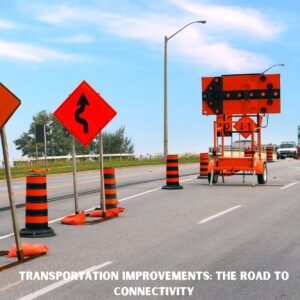
Transportation is a cornerstone of the Infrastructure Bill, with significant funds allocated to overhaul the nation’s roads, bridges, and transit systems. These improvements are not just about aesthetics or convenience; they’re about enhancing the quality of life for millions. Better transportation infrastructure reduces commute times, improves safety, and decreases carbon emissions, contributing to environmental sustainability.
Moreover, the bill recognizes the importance of modernizing transportation to keep pace with technological advancements. Investments in electric vehicle charging stations and green public transportation options underscore a commitment to sustainable mobility. These initiatives not only address immediate transportation needs but also set the stage for a greener, more connected future.
You May Also Like This
5 Eye-Opening Positive Impacts: How Climate Policy in the USA Boosts American Jobs
5 Key Insights: The 2024 Presidential Election – Predictions, Candidates & More!