Embarking on a journey through the fascinating science of automobiles reveals an intricate blend of engineering marvels, technological advancements, and the relentless pursuit of efficiency and sustainability. This blog post delves into the core scientific principles that drive the evolution of the automobile industry, offering a glimpse into how these principles shape the cars we drive and the future of transportation.
The Heart of the Matter: Internal Combustion Engines vs. Electric Motors
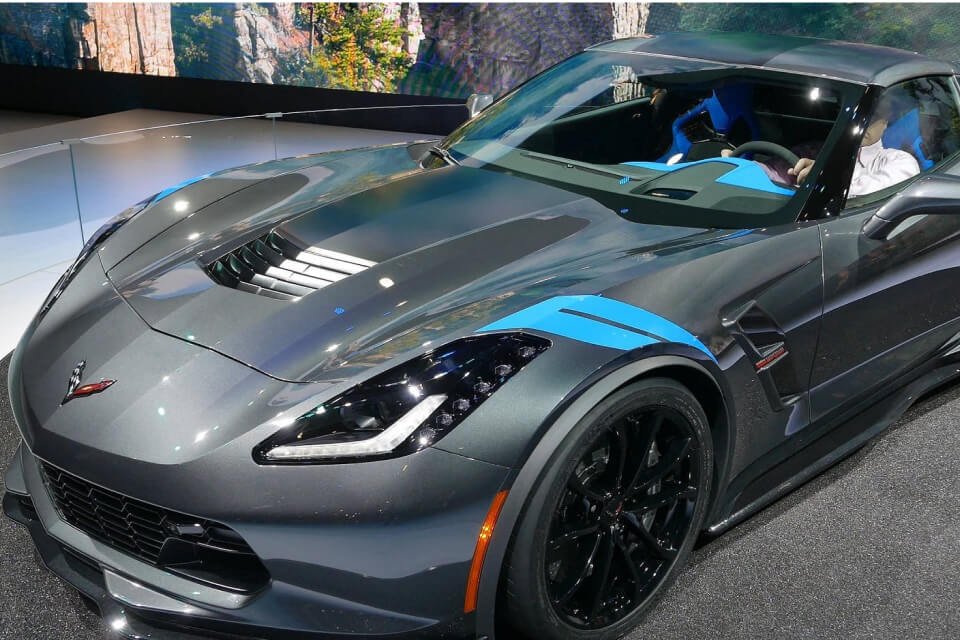
At the core of most traditional vehicles lies the internal combustion engine (ICE), a masterpiece of engineering that converts the chemical energy of fuel into mechanical energy. Through a series of small explosions, fuel and air mix within the engine’s cylinders, creating pressure that moves pistons and turns the car’s wheels. This process, while efficient, also produces emissions that contribute to environmental pollution.
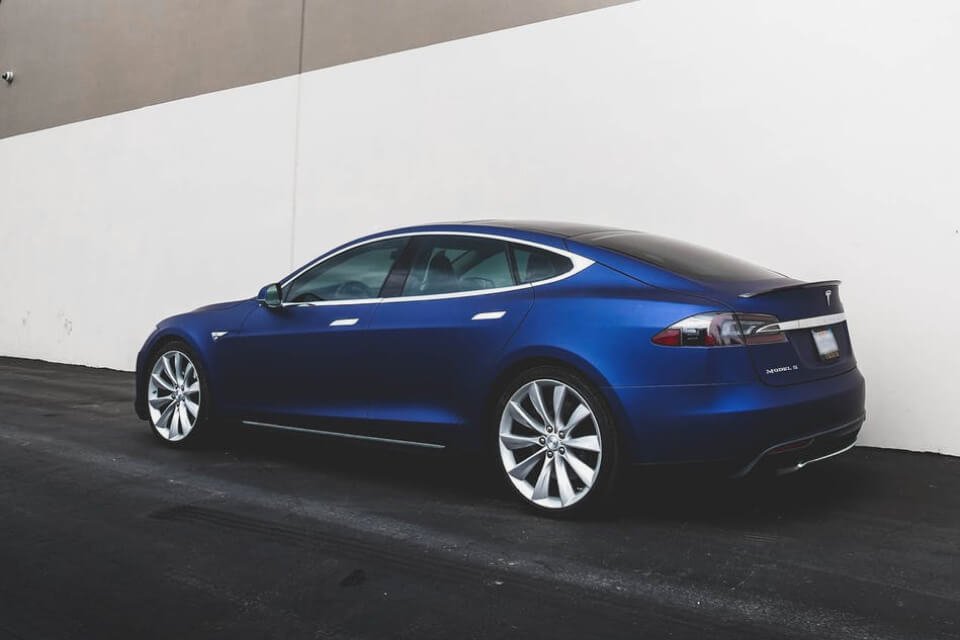
Contrastingly, electric vehicles (EVs) operate on electric motors that require no fuel combustion, emitting zero tailpipe pollutants. Powered by rechargeable batteries, EVs convert electrical energy into mechanical energy with higher efficiency rates than their ICE counterparts. This shift toward electric propulsion is a significant step towards reducing the automotive industry’s environmental footprint.
The Aerodynamics of Speed and Efficiency
Aerodynamics plays a crucial role in vehicle design, influencing both fuel efficiency and performance. The shape of a car affects how air flows around it, impacting resistance and, consequently, the amount of energy needed to maintain speed. Modern vehicles are designed with sleek, aerodynamic shapes to minimize drag, enhancing fuel efficiency and reducing emissions.
Material Science: The Quest for Lighter, Stronger Cars
Advancements in material science have revolutionized automobile construction, with manufacturers increasingly turning to lighter materials like aluminum and carbon fiber. These materials reduce the overall weight of the vehicle, leading to improved fuel efficiency and performance. Moreover, they offer enhanced strength and durability, providing better protection in the event of a collision.
The Future is Smart: Autonomous Technology
Autonomous driving technology, guided by the principles of artificial intelligence and robotics, is set to transform the driving experience. By analyzing data from sensors and cameras, self-driving cars can navigate roads, recognize traffic patterns, and make split-second decisions, potentially reducing accidents caused by human error.
Sustainable Mobility: The Road Ahead
As environmental concerns become paramount, the science of automobiles is increasingly focused on sustainability. Innovations like hydrogen fuel cells, which produce only water as a byproduct, and improvements in battery technology for EVs, are at the forefront of this shift. These technologies promise a future where cars are not only more efficient and safer but also more harmonious with our planet.
Conclusion
The science of automobiles is a dynamic field that blends physics, chemistry, engineering, and environmental science to push the boundaries of mobility. As we look to the future, the continued innovation and adoption of cleaner, smarter automotive technologies will play a pivotal role in shaping our world.
Ethical Automobile Manufacturing: Companies Leading the Way
How Millennials Are Disrupting Automobile
7 Revolutionary Trends Shaping the Future of Automobiles: Insights & Innovations