
Table of Content
Heading |
Subheadings | Description |
|---|---|---|
1. Introduction |
Definition of Ethical Automobile Manufacturing | Setting the definition of ethical practices in the automotive industry |
| Importance of Ethical Practices in the Automotive Industry | Explaining the significance of ethical manufacturing | |
2. Environmental Impact of Traditional Manufacturing |
Carbon Emissions and Pollution | Discussing the impact of carbon emissions and pollution |
| Resource Depletion | Exploring the depletion of natural resources in manufacturing | |
| Environmental Degradation | Addressing environmental degradation caused by traditional manufacturing | |
3. Social Implications of Traditional Manufacturing |
Labor Exploitation | Discussing issues of labor exploitation in manufacturing |
| Human Rights Violations | Addressing violations of human rights in manufacturing | |
| Community Displacement | Discussing the displacement of communities due to manufacturing activities | |
4. Rise of Ethical Manufacturing |
Shift in Consumer Preferences | Exploring changing consumer preferences towards ethical manufacturing |
| Regulatory Pressures | Discussing the impact of regulations on ethical manufacturing | |
| Corporate Social Responsibility Initiatives | Highlighting initiatives by companies towards ethical practices | |
5. Key Principles of Ethical Automobile Manufacturing |
Supply Chain Transparency | Discussing the importance of transparency in the supply chain |
| Fair Labour Practices | Addressing the need for fair labor practices in manufacturing | |
| Environmental Sustainability | Discussing efforts towards environmental sustainability | |
| Community Engagement | Highlighting the importance of community engagement in ethical manufacturing | |
6. Companies Championing Ethical Practices |
Tesla: Pioneering Sustainability | Discussing Tesla’s initiatives towards sustainability |
| Toyota: Leading in Hybrid Technology | Exploring Toyota’s leadership in hybrid technology | |
| Volvo: Emphasizing Safety and Sustainability | Highlighting Volvo’s focus on safety and sustainability | |
| Ford: Innovating for a Greener Future | Discussing Ford’s innovations toward environmental sustainability | |
| Honda: Commitment to Social Equity | Addressing Honda’s commitment to social equity | |
7. Tesla: A Case Study in Ethical Manufacturing |
Sustainable Supply Chain Practices | Discussing Tesla’s sustainable supply chain practices |
| Renewable Energy Initiatives | Highlighting Tesla’s initiatives in renewable energy | |
| Electric Vehicle Innovation | Discussing Tesla’s innovations in electric vehicle technology | |
8. Toyota: Advancing Ethical Manufacturing |
Hybrid and Fuel-Cell Technology | Discussing Toyota’s advancements in hybrid and fuel-cell technology |
| Environmental Conservation Efforts | Addressing Toyota’s efforts toward environmental conservation | |
| Community Development Projects | Highlighting Toyota’s community development projects | |
9. Volvo: Setting Standards for Safety and Sustainability |
Safety Innovations | Discussing Volvo’s safety innovations |
| Electrification Strategy | Addressing Volvo’s Electrification Strategy | |
| Environmental Goals | Highlighting Volvo’s environmental goals | |
10. Ford: Reducing Environmental Impact |
Waste Reduction Initiatives | Discussing Ford’s initiatives toward waste reduction |
| Sustainable Materials Usage | Addressing Ford’s usage of sustainable materials | |
| Climate Change Mitigation Efforts | Highlighting Ford’s efforts towards climate change mitigation | |
11. Honda: Empowering Communities and Workers |
Employee Empowerment Programs | Discussing Honda’s programs for employee empowerment |
| Social Responsibility Projects | Highlighting Honda’s social responsibility projects | |
| Diversity and Inclusion Initiatives | Addressing Honda’s initiatives toward diversity and inclusion | |
12. Challenges in Implementing Ethical Practices |
Resistance from Stakeholders | Discussing challenges arising from stakeholder resistance |
| Cost Implications | Addressing cost implications associated with ethical practices | |
| Supply Chain Complexity | Highlighting challenges related to supply chain complexity | |
13. Strategies for Overcoming Challenges |
Stakeholder Engagement | Discussing the importance of stakeholder engagement |
| Innovation and Technology Adoption | Addressing the role of innovation and technology in overcoming challenges | |
| Collaboration and Knowledge Sharing | Highlighting the benefits of collaboration and knowledge sharing | |
14. Future Trends in Ethical Automobile Manufacturing |
Electric and Autonomous Vehicles | Discussing trends in electric and autonomous vehicles |
| Circular Economy Practices | Addressing trends in circular economy practices | |
| Sustainable Materials Innovation | Highlighting trends in sustainable materials innovation | |
15. Conclusion: Shaping a Sustainable Future |
Recap of Ethical Manufacturing’s Importance | Summarizing the importance of ethical manufacturing |
| Call to Action for Industry Stakeholders | Issuing a call to action for industry stakeholders | |
| Envisioning a Sustainable and Responsible Automotive Industry | Vision for a sustainable and responsible automotive industry |
Ethical Automobile Manufacturing: Companies Leading the Way
In today’s rapidly evolving automotive landscape, the concept of ethical manufacturing has emerged as a defining principle for industry leaders. As concerns about environmental sustainability, social responsibility, and corporate ethics continue to gain prominence, companies are increasingly recognizing the importance of integrating ethical practices into their operations. In this article, we will explore the role of ethical automobile manufacturing and highlight key companies that are leading the way in driving positive change.
Introduction
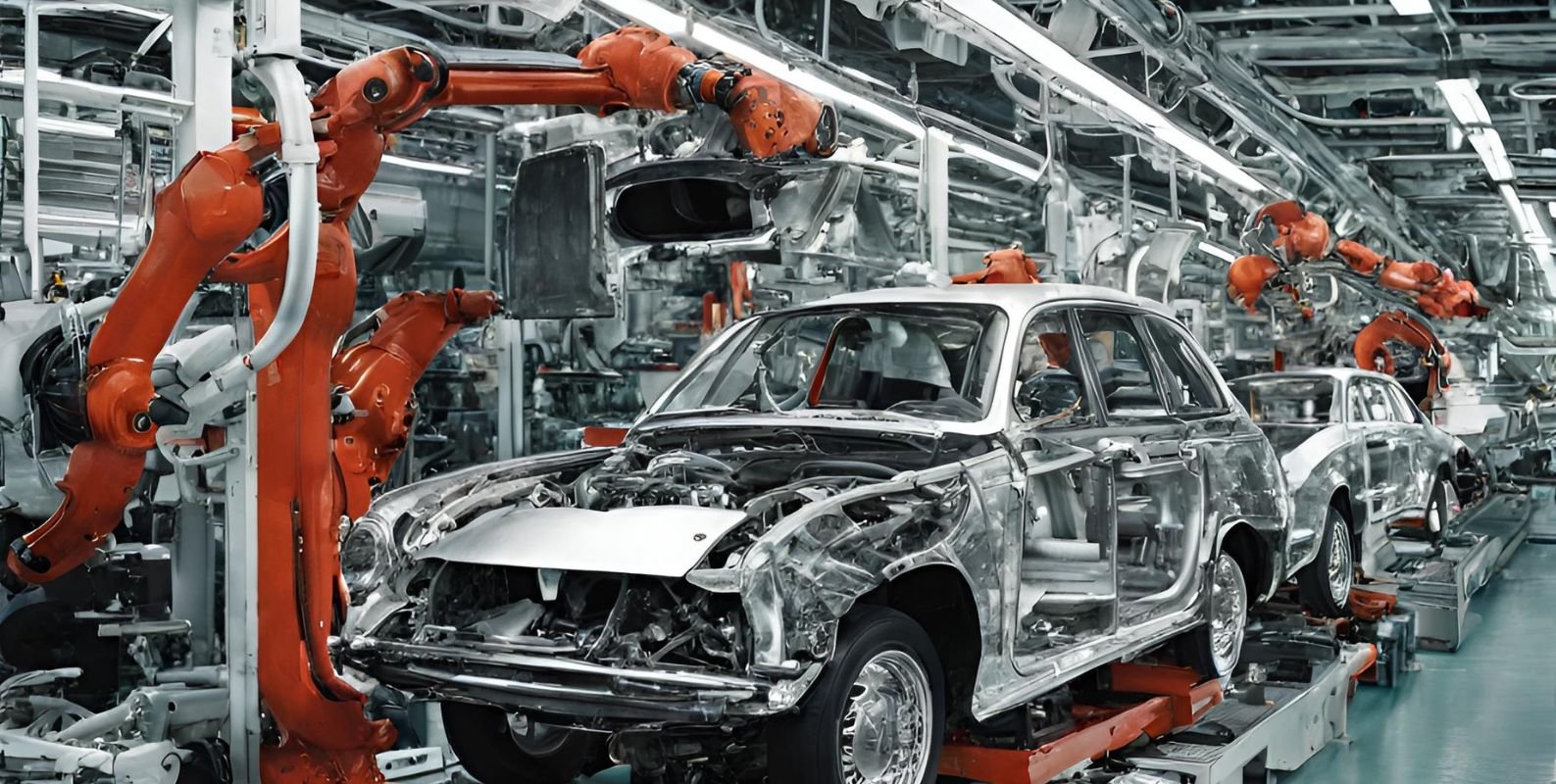
- Definition of Ethical Automobile Manufacturing: Ethical automobile manufacturing refers to the adoption of sustainable, socially responsible, and environmentally friendly practices throughout the production process. This includes prioritizing supply chain transparency, upholding fair labor practices, minimizing environmental impact, and engaging with local communities.
- Importance of Ethical Practices in the Automotive Industry: The automotive industry has historically been associated with significant environmental degradation, social injustices, and ethical controversies. However, in recent years, there has been a growing recognition of the need for transformational change to address these issues. Ethical practices not only align with consumer expectations and regulatory requirements but also contribute to long-term business success and reputation management.
Environmental Impact of Traditional Manufacturing
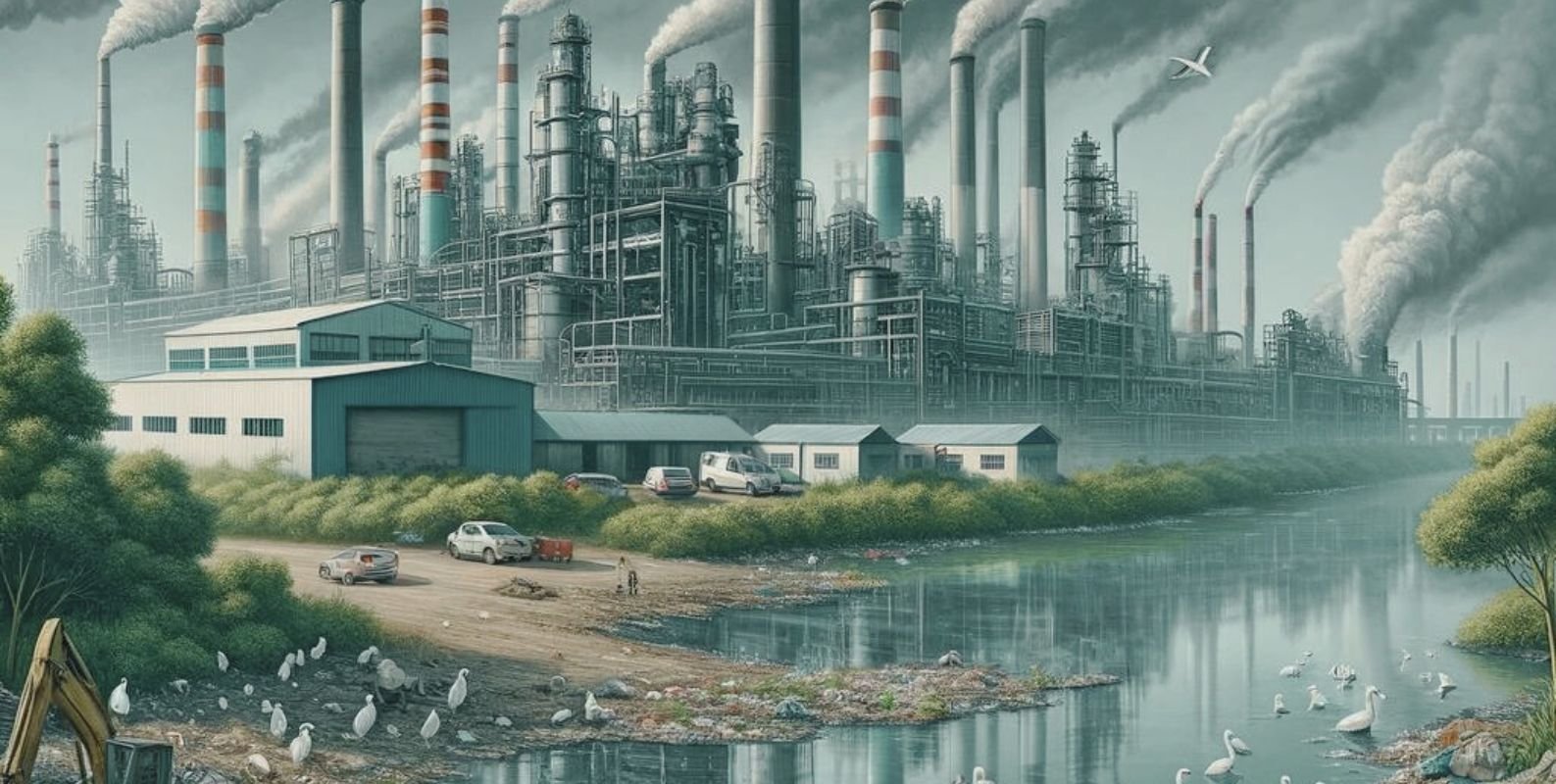
- Carbon Emissions and Pollution: Traditional automobile manufacturing processes are major contributors to carbon emissions, air pollution, and climate change. The combustion of fossil fuels, energy-intensive production methods, and inefficient waste management practices all contribute to environmental degradation.
- Resource Depletion: The extraction of raw materials such as metals, minerals, and fossil fuels for automotive production has significant environmental consequences, including habitat destruction, water pollution, and biodiversity loss. Furthermore, the depletion of finite resources exacerbates environmental pressures and undermines long-term sustainability.
- Environmental Degradation: The disposal of automotive waste, including scrap metal, plastics, and hazardous materials, poses significant challenges for environmental sustainability. Landfilling, incineration, and improper disposal practices contribute to soil contamination, water pollution, and ecosystem degradation.
Social Implications of Traditional Manufacturing

- Labour Exploitation: The automotive industry has a long history of labour exploitation, including low wages, unsafe working conditions, and inadequate labour rights protections. Workers in manufacturing facilities, mines, and assembly plants often face hazardous working conditions and lack access to basic rights and protections.
- Human Rights Violations: Human rights abuses, including forced labour, child labour, and human trafficking, are prevalent in many parts of the automotive supply chain, particularly in regions with weak labour regulations and enforcement mechanisms. Exploitative labour practices undermine human dignity, perpetuate poverty, and violate fundamental human rights.
- Community Displacement: Large-scale automotive manufacturing projects often involve land acquisition, displacement of indigenous communities, and environmental degradation, leading to social conflict, loss of livelihoods, and cultural erosion. Displacement of communities without adequate compensation or consultation exacerbates inequalities and undermines social cohesion.
Rise of Ethical Manufacturing

- Shift in Consumer Preferences: Consumer preferences are shifting towards sustainable, socially responsible, and ethically produced products, including automobiles. Increasing awareness of environmental issues, ethical concerns, and corporate accountability is driving demand for ethically manufactured vehicles.
- Regulatory Pressures: Governments and regulatory authorities are enacting stricter environmental regulations, labor standards, and ethical guidelines for the automotive industry. Compliance with regulatory requirements is becoming a prerequisite for market access, public procurement, and industry certification.
- Corporate Social Responsibility Initiatives: Leading automotive companies are embracing corporate social responsibility (CSR) as a core business strategy, integrating ethical principles into their mission, values, and operations. CSR initiatives encompass a wide range of activities, including philanthropy, employee volunteerism, and sustainability reporting.
Key Principles of Ethical Automobile Manufacturing
- Supply Chain Transparency: Ensuring transparency and accountability throughout the automotive supply chain is essential for identifying and addressing ethical risks, such as labor violations, environmental pollution, and human rights abuses. Companies must trace the origins of raw materials, components, and finished products to verify compliance with ethical standards.
- Fair Labor Practices: Upholding fair labor practices involves respecting workers’ rights, providing safe working conditions, and ensuring fair wages and benefits for all employees throughout the automotive supply chain. Companies must adopt policies and procedures to prevent labor exploitation, discrimination, and harassment, while promoting diversity, inclusion, and equal opportunities for all workers.
- Environmental Sustainability: Implementing environmental sustainability initiatives is essential for minimizing the environmental footprint of automobile manufacturing. Companies must adopt eco-friendly technologies, reduce greenhouse gas emissions, conserve natural resources, and promote recycling and waste reduction strategies throughout their operations.
- Community Engagement: Engaging with local communities is critical for building trust, fostering positive relationships, and addressing social impacts associated with automotive manufacturing. Companies should consult with stakeholders, support community development projects, and contribute to sustainable economic growth and social well-being.
Companies Championing Ethical Practices

Tesla: Pioneering Sustainability
- Sustainable Supply Chain Practices: Tesla prioritizes transparency and accountability in its supply chain, sourcing raw materials responsibly and minimizing environmental impacts.
- Renewable Energy Initiatives: Tesla is committed to renewable energy solutions, with initiatives such as solar energy production and energy storage solutions.
- Electric Vehicle Innovation: Tesla’s electric vehicles are at the forefront of sustainable transportation, offering zero-emission alternatives to traditional gasoline-powered cars.
Toyota: Leading in Hybrid Technology
- Hybrid and Fuel-Cell Technology: Toyota has been a pioneer in hybrid and fuel-cell technology, with vehicles like the Prius leading the way in fuel efficiency and environmental performance.
- Environmental Conservation Efforts: Toyota is dedicated to environmental conservation, with initiatives to reduce waste, conserve energy, and protect natural habitats.
- Community Development Projects: Toyota invests in community development projects, supporting education, health care, and infrastructure in regions where it operates.
Volvo: Emphasizing Safety and Sustainability
- Safety Innovations: Volvo is renowned for its commitment to safety, with advanced features such as autonomous emergency braking, pedestrian detection, and lane-keeping assist.
- Electrification Strategy: Volvo is electrifying its vehicle lineup, with plans to offer only electric and hybrid vehicles by 2030, in line with its commitment to carbon neutrality.
- Environmental Goals: Volvo has set ambitious environmental goals, including achieving climate-neutral manufacturing operations and reducing carbon emissions across its supply chain.
Ford: Innovating for a Greener Future
- Waste Reduction Initiatives: Ford is implementing waste reduction initiatives, such as recycling programs, waste-to-energy projects, and closed-loop manufacturing processes.
- Sustainable Materials Usage: Ford is incorporating sustainable materials, such as recycled plastics and bio-based composites, into its vehicle designs to reduce environmental impact.
- Climate Change Mitigation Efforts: Ford is taking action to mitigate climate change, with investments in renewable energy, carbon offset projects, and emissions reduction initiatives.
Honda: Empowering Communities and Workers
- Employee Empowerment Programs: Honda empowers its employees through training programs, career development opportunities, and employee engagement initiatives.
- Social Responsibility Projects: Honda supports social responsibility projects, such as education and healthcare programs, to improve quality of life in communities where it operates.
- Diversity and Inclusion Initiatives: Honda promotes diversity and inclusion in its workforce, fostering a culture of respect, equality, and inclusivity among employees.
Tesla: A Case Study in Ethical Manufacturing
Tesla, led by visionary entrepreneur Elon Musk, has revolutionized the automotive industry with its commitment to sustainability and innovation. By prioritizing ethical manufacturing practices, Tesla has positioned itself as a leader in the transition to a more sustainable transportation system.
Sustainable Supply Chain Practices
Tesla places a strong emphasis on supply chain transparency and accountability, working closely with suppliers to ensure compliance with ethical standards. The company conducts regular audits, engages in supplier partnerships, and implements traceability systems to track the origins of raw materials and components.
Renewable Energy Initiatives
Tesla is committed to renewable energy solutions, with a focus on solar energy production, energy storage, and grid integration. The company’s Gigafactories, powered by renewable energy sources, produce clean energy to support its operations and reduce dependence on fossil fuels.
Electric Vehicle Innovation
Tesla’s electric vehicles are at the forefront of sustainable transportation, offering zero-emission alternatives to traditional gasoline-powered cars. With industry-leading range, performance, and charging infrastructure, Tesla’s vehicles are driving the transition towards a cleaner and more sustainable future.
Toyota: Advancing Ethical Manufacturing
Toyota, one of the world’s largest automakers, has a long history of innovation and leadership in ethical manufacturing. By prioritizing safety, sustainability, and social responsibility, Toyota is shaping the future of mobility in a rapidly changing world.
Hybrid and Fuel-Cell Technology
Toyota has been a pioneer in hybrid and fuel-cell technology, with vehicles like the Prius leading the way in fuel efficiency and environmental performance. The company’s commitment to hybrid technology extends to its entire lineup, with hybrid options available across a range of vehicle models.
Environmental Conservation Efforts
Toyota is dedicated to environmental conservation, with initiatives to reduce waste, conserve energy, and protect natural habitats. The company’s environmental goals include achieving zero waste to landfill, reducing carbon emissions, and promoting biodiversity conservation in its operations.
Community Development Projects
Toyota invests in community development projects, supporting education, health care, and infrastructure in regions where it operates. Through partnerships with local organizations and NGOs, Toyota aims to improve quality of life and promote sustainable development in communities around the world.
Volvo: Setting Standards for Safety and Sustainability
Volvo, a Swedish automaker known for its commitment to safety and sustainability, is leading the way in ethical manufacturing practices. By prioritizing safety innovations, electrification, and environmental goals, Volvo is driving positive change in the automotive industry.
Safety Innovations

Volvo is renowned for its commitment to safety, with advanced features such as autonomous emergency braking, pedestrian detection, and lane-keeping assist. The company’s safety innovations are designed to protect drivers, passengers, and pedestrians and reduce the risk of accidents on the road.
Electrification Strategy
Volvo is electrifying its vehicle lineup, with plans to offer only electric and hybrid vehicles by 2030, in line with its commitment to carbon neutrality. The company’s electrification strategy includes investments in battery technology, charging infrastructure, and renewable energy sources to support its transition to electric mobility.
Environmental Goals
Volvo has set ambitious environmental goals, including achieving climate-neutral manufacturing operations and reducing carbon emissions across its supply chain. The company is investing in renewable energy, energy efficiency, and carbon offset projects to minimize its environmental footprint and contribute to a cleaner and more sustainable future.
Ford: Reducing Environmental Impact
Ford, one of the largest automakers in the world, is taking proactive steps to reduce its environmental impact and promote sustainable manufacturing practices. By investing in waste reduction, sustainable materials usage, and climate change mitigation efforts, Ford is driving positive change in the automotive industry.
Waste Reduction Initiatives
Ford is implementing waste reduction initiatives, such as recycling programs, waste-to-energy projects, and closed-loop manufacturing processes. The company’s goal is to minimize waste generation, increase recycling rates, and promote circular economy principles throughout its operations.
Sustainable Materials Usage
Ford is incorporating sustainable materials, such as recycled plastics and bio-based composites, into its vehicle designs to reduce environmental impact. By sourcing materials responsibly and reducing reliance on virgin resources, Ford is contributing to resource conservation and environmental sustainability.
Climate Change Mitigation Efforts
Ford is taking action to mitigate climate change, with investments in renewable energy, carbon offset projects, and emissions reduction initiatives. The company is committed to reducing greenhouse gas emissions across its operations and supply chain to minimize its contribution to global warming and climate-related risks.
Honda: Empowering Communities and Workers
Honda, a global leader in automotive manufacturing, is committed to empowering communities and workers through its ethical manufacturing practices. By prioritizing employee well-being, social responsibility, and diversity and inclusion, Honda is driving positive change and making a difference in the communities where it operates.
Employee Empowerment Programs
Honda empowers its employees through comprehensive training programs, career development opportunities, and employee engagement initiatives. The company fosters a culture of continuous learning, innovation, and collaboration, where employees are encouraged to contribute ideas, take ownership of projects, and grow professionally.
Social Responsibility Projects
Honda supports social responsibility projects aimed at improving quality of life and promoting sustainable development in communities around the world. The company invests in education, healthcare, environmental conservation, and disaster relief efforts to address pressing social and environmental challenges and make a positive impact on society.
Diversity and Inclusion Initiatives
Honda promotes diversity and inclusion in its workforce, recognizing the value of different perspectives, experiences, and backgrounds. The company is committed to creating a workplace where all employees feel valued, respected, and empowered to succeed, regardless of gender, race, ethnicity, or other characteristics.
Challenges in Implementing Ethical Practices
Despite the clear benefits of ethical manufacturing, companies face several challenges in implementing and maintaining ethical practices across their operations. These challenges include resistance from stakeholders, cost implications, and supply chain complexity.
Resistance from Stakeholders
One of the primary challenges companies face in implementing ethical practices is resistance from stakeholders who may be hesitant to change established processes or incur additional costs. Resistance can come from within the organization, including employees, management, and shareholders, as well as external factors such as industry norms and regulatory constraints.
Cost Implications
Implementing ethical manufacturing practices may initially incur additional costs, such as investments in renewable energy, sustainable materials, and supply chain transparency measures. While these investments can lead to long-term cost savings and operational efficiencies, companies must carefully balance the short-term costs with the potential long-term benefits to justify the investment in ethical practices.
Supply Chain Complexity
The automotive industry operates within complex global supply chains, spanning multiple countries and involving numerous suppliers and subcontractors. Ensuring transparency and accountability throughout the supply chain presents a significant challenge for companies seeking to uphold ethical standards. Companies must navigate supply chain complexities, conduct audits, and engage with suppliers to address ethical risks and promote responsible sourcing practices.
Strategies for Overcoming Challenges
To overcome the challenges associated with implementing ethical manufacturing practices, companies can adopt several strategies focused on stakeholder engagement, innovation, and collaboration.
Stakeholder Engagement
Engaging with stakeholders, including employees, suppliers, customers, and communities, is essential for building buy-in, fostering support, and addressing concerns related to ethical practices. Companies can establish dialogue channels, conduct stakeholder consultations, and involve stakeholders in decision-making processes to ensure their perspectives are heard and considered.
Innovation and Technology Adoption
Innovation and technology adoption play a crucial role in overcoming barriers to ethical manufacturing. Companies can leverage technology solutions, such as blockchain, artificial intelligence, and data analytics, to enhance supply chain transparency, traceability, and accountability. By investing in innovation, companies can streamline processes, reduce costs, and improve the effectiveness of ethical initiatives.
Collaboration and Knowledge Sharing
Collaboration and knowledge sharing among industry stakeholders are critical for driving collective action and accelerating progress towards ethical manufacturing goals. Companies can collaborate with suppliers, industry peers, governments, and civil society organizations to share best practices, develop common standards, and address systemic challenges that require collective solutions.
Future Trends in Ethical Automobile Manufacturing
Looking ahead, several emerging trends and technologies are shaping the future of ethical automobile manufacturing, including electric and autonomous vehicles, circular economy practices, and sustainable materials innovation.
Electric and Autonomous Vehicles

The shift towards electric and autonomous vehicles is driving significant changes in the automotive industry, with implications for ethical manufacturing. Electric vehicles offer a cleaner and more sustainable alternative to traditional gasoline-powered cars, reducing greenhouse gas emissions and reliance on fossil fuels. Autonomous vehicles have the potential to improve road safety, reduce accidents, and enhance mobility for all, while also presenting ethical considerations related to data privacy, cybersecurity, and social equity.
Circular Economy Practices
The transition towards a circular economy presents opportunities for reducing waste, conserving resources, and promoting sustainable consumption and production patterns. Circular economy practices, such as remanufacturing, refurbishment, and recycling, can help extend the life cycle of automotive products, minimize environmental impact, and create economic value from waste materials.
Sustainable Materials Innovation
Innovations in sustainable materials, such as bio-based plastics, recycled metals, and plant-based composites, are driving advancements in ethical automobile manufacturing. By incorporating sustainable materials into vehicle designs, companies can reduce reliance on finite resources, minimize environmental impact, and promote circularity in the automotive supply chain.
Conclusion: Shaping a Sustainable Future
In conclusion, ethical automobile manufacturing is essential for addressing environmental, social, and ethical challenges facing the automotive industry. By prioritizing supply chain transparency, fair labor practices, environmental sustainability, and community engagement, companies can drive positive change, build trust, and create value for society.
As we look towards the future, it is imperative for industry stakeholders to continue innovating, collaborating, and leading the way towards a more sustainable and responsible automotive industry. By working together to overcome challenges, seize opportunities, and embrace ethical practices, we can shape a brighter, greener future for generations to come.
Important Links
Augmented Reality (AR) in Car Maintenance and Repair
Solar-Powered Cars: Pioneering the Future of Sustainable Transportation by 2030
Car Culture Revolution: 5 Ways Video Games Shape Auto Design
Cars in Cinema: Illuminating the Dynamic Influence of Movies on Car Culture