Table Of Content
| Section | Subsections |
|---|---|
Introduction to Augmented Reality (AR) |
– Definition of Augmented Reality |
| – Brief history of AR technology | |
| – Importance of AR in various industries | |
Overview of Car Maintenance and Repair |
– Importance of regular maintenance |
| – Common maintenance tasks | |
| – Challenges faced in car repair industry | |
Integration of AR in Car Maintenance |
– Explanation of how AR works |
| – Benefits of using AR in car maintenance | |
| – Examples of AR applications in automotive industry | |
Enhanced Diagnostics with AR |
– How AR aids in diagnosing car issues |
| – Real-time data visualization through AR | |
| – Improvements in accuracy and efficiency of diagnostics | |
Guided Repairs using AR |
– Step-by-step repair instructions with AR overlays |
| – Interactive tutorials for novice users | |
| – Reduction in human error during repairs | |
Virtual Assistance and Remote Support |
– Access to expert guidance through AR |
| – Remote troubleshooting with AR-enabled devices | |
| – Cost-saving benefits for both consumers and businesses | |
AR-enabled Training and Education |
– Training mechanics and technicians with AR simulations |
| – Bridging the skill gap in automotive industry | |
| – Continuous learning and skill enhancement opportunities | |
Future Trends in AR for Car Maintenance |
– Advancements in AR technology |
| – Predictions for future AR applications in automotive sector | |
| – Potential challenges and opportunities | |
Case Studies: Successful Implementation of AR in Automotive Industry |
– Examples of car manufacturers utilizing AR |
| – Success stories of AR adoption in car maintenance | |
Challenges and Limitations of AR in Car Maintenance |
– Technical limitations of current AR systems |
| – Integration challenges in existing repair processes | |
| – Training requirements for widespread adoption | |
Cost Considerations and ROI |
– Initial investment in AR technology |
| – Long-term cost savings and return on investment | |
| – Comparative analysis with traditional repair methods | |
User Experience and Accessibility |
– Accessibility considerations for diverse users |
| – User-friendly AR interfaces | |
| – Addressing concerns about technology adoption | |
Regulatory and Legal Implications |
– Compliance with automotive regulations |
| – Liability issues in AR-assisted repairs | |
| – Emerging legal frameworks for AR technology | |
Industry Partnerships and Collaboration |
– Collaboration between automotive companies and AR developers |
| – Joint ventures to innovate car maintenance solutions | |
| – Importance of ecosystem partnerships for sustainable growth | |
Conclusion: The Future of Car Maintenance with Augmented Reality |
– Recap of benefits of AR in car maintenance |
| – Encouraging widespread adoption and innovation | |
| – Vision for a future where AR revolutionizes car repair industry |
The Role of Augmented Reality (AR) in Car Maintenance and Repair
In today’s fast-paced world, technological advancements have permeated nearly every aspect of our lives. From communication to entertainment, and now, even to the realm of automotive maintenance and repair, augmented reality (AR) is emerging as a transformative force. This article delves into the fascinating intersection of AR technology and car maintenance, exploring its applications, benefits, challenges, and the potential it holds for revolutionizing the way we service and repair our vehicles.
Introduction to Augmented Reality (AR) in Car Maintenance and Repair
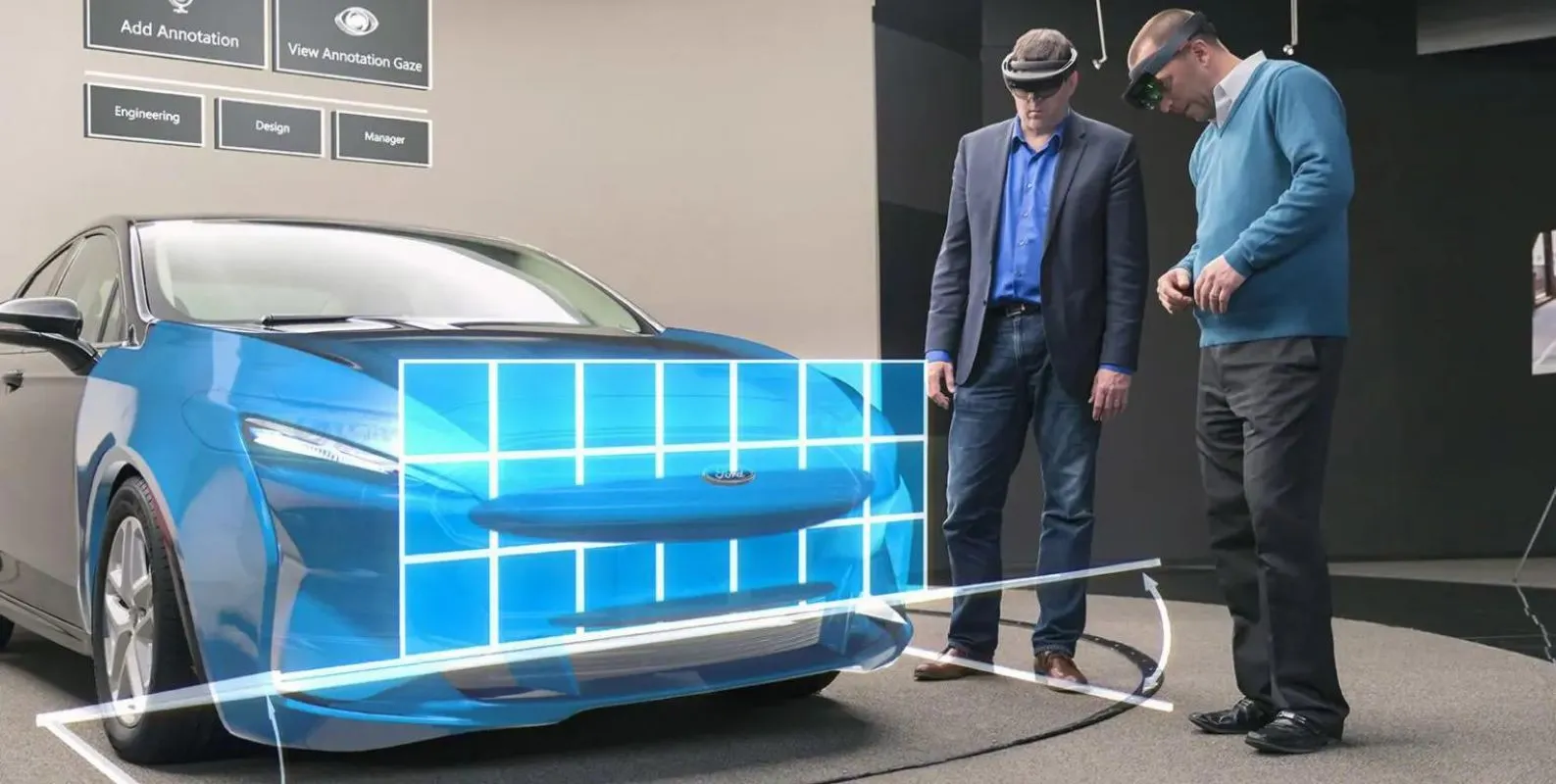
Augmented reality, often abbreviated as AR, is a technology that overlays digital information and virtual objects onto the real world. Unlike virtual reality (VR), which immerses users in a completely virtual environment, AR enhances the real world by adding digital elements to it. AR technology utilizes devices such as smartphones, tablets, smart glasses, and headsets to superimpose virtual images, videos, or information onto the physical environment.
Definition of Augmented Reality
At its core, augmented reality enhances our perception of reality by seamlessly integrating computer-generated elements into our surroundings. This blending of the physical and digital worlds opens up a myriad of possibilities across various industries, including manufacturing, healthcare, education, and automotive.
Brief History of AR Technology
While the concept of augmented reality dates back several decades, significant advancements in hardware capabilities and software development have propelled AR into the mainstream in recent years. Early experiments with AR can be traced back to the 1960s and 1970s, but it wasn’t until the advent of powerful mobile devices and sophisticated software algorithms that AR began to gain widespread attention.
Importance of AR in Various Industries
Today, augmented reality finds applications in diverse fields, offering innovative solutions for training, visualization, navigation, design, and entertainment. In industries such as healthcare, AR is used for surgical planning, medical education, and patient care. In manufacturing, AR facilitates assembly, maintenance, and quality control processes. Similarly, in the automotive sector, AR is revolutionizing the way vehicles are maintained, repaired, and serviced.
Overview of Car Maintenance and Repair
Before delving into the role of augmented reality in car maintenance, it’s essential to understand the significance of regular maintenance and the common tasks involved in keeping vehicles roadworthy.
Importance of Regular Maintenance
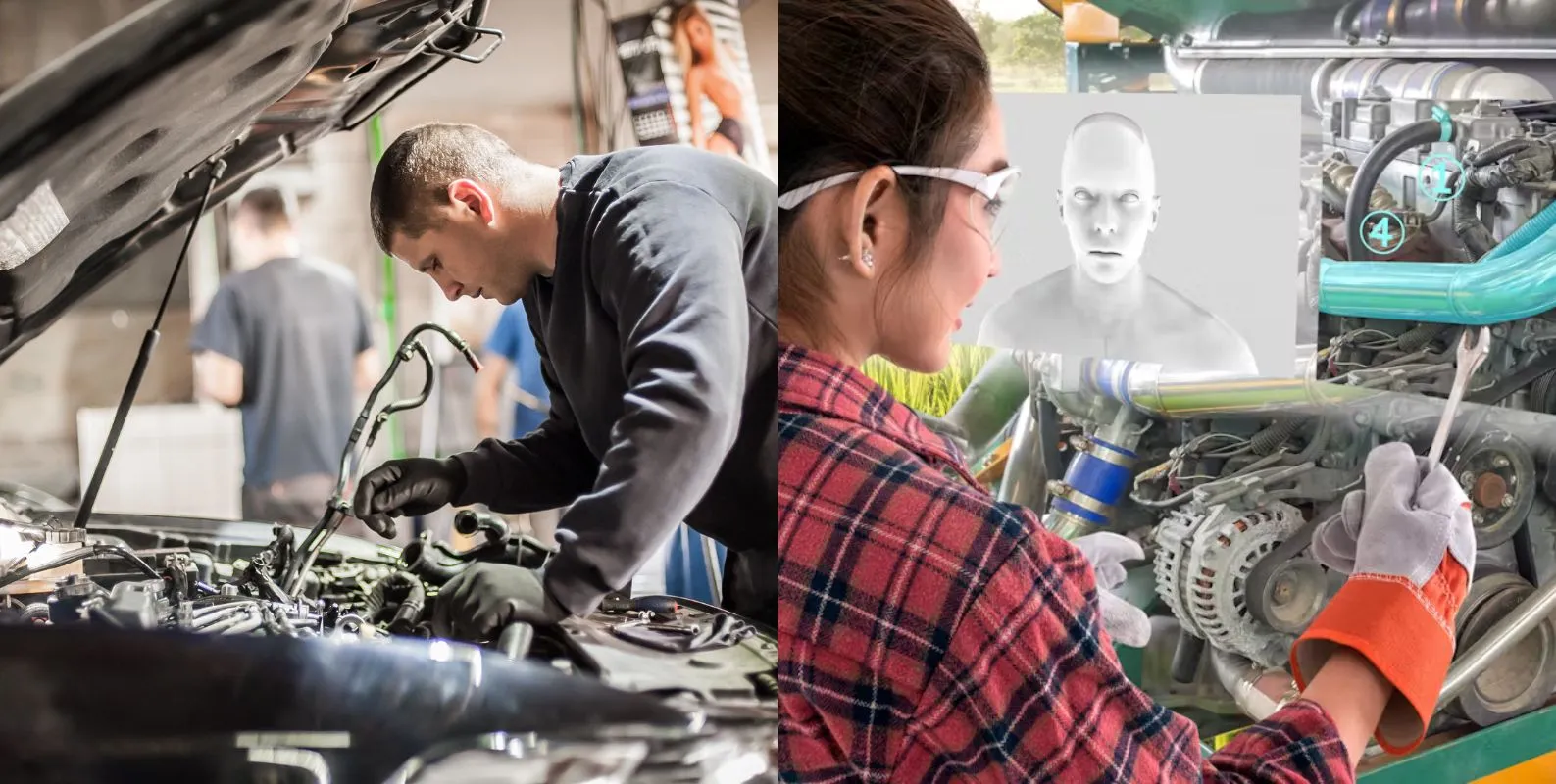
Car maintenance is crucial for ensuring the safety, reliability, and longevity of vehicles. Routine maintenance tasks, such as oil changes, tire rotations, fluid checks, and brake inspections, help prevent mechanical failures, reduce the risk of accidents, and prolong the lifespan of automotive components. Neglecting regular maintenance can lead to costly repairs, decreased fuel efficiency, and even catastrophic breakdowns.
Common Maintenance Tasks
Some of the most common car maintenance tasks include:
-
- Oil changes: Regular oil changes are essential for lubricating engine components and preventing wear and tear.
- Tire rotations: Rotating tires helps ensure even tread wear and extends tire life.
- Fluid checks: Checking and topping up fluids, including engine oil, coolant, brake fluid, and windshield washer fluid, is vital for optimal vehicle performance.
- Brake inspections: Regular brake inspections help identify worn brake pads, damaged rotors, and other issues that could compromise braking efficiency and safety.
- Filter replacements: Replacing air filters, oil filters, and cabin air filters at recommended intervals helps maintain air quality, engine efficiency, and overall performance.
Challenges Faced in Car Repair Industry
Despite the importance of regular maintenance, the car repair industry faces several challenges, including:
-
- Complexity of modern vehicles: With the integration of advanced electronics, sensors, and computer systems in modern vehicles, diagnosing and repairing automotive issues has become increasingly complex.
- Skill shortage: The automotive industry faces a shortage of skilled technicians and mechanics capable of diagnosing and repairing modern vehicles’ sophisticated systems.
- Cost of repairs: Car repairs can be expensive, particularly for major components such as engines, transmissions, and hybrid/electric drivetrains.
- Time-consuming process: Traditional repair methods often involve time-consuming diagnostic procedures, manual labor, and trial-and-error troubleshooting.
Integration of AR in Car Maintenance
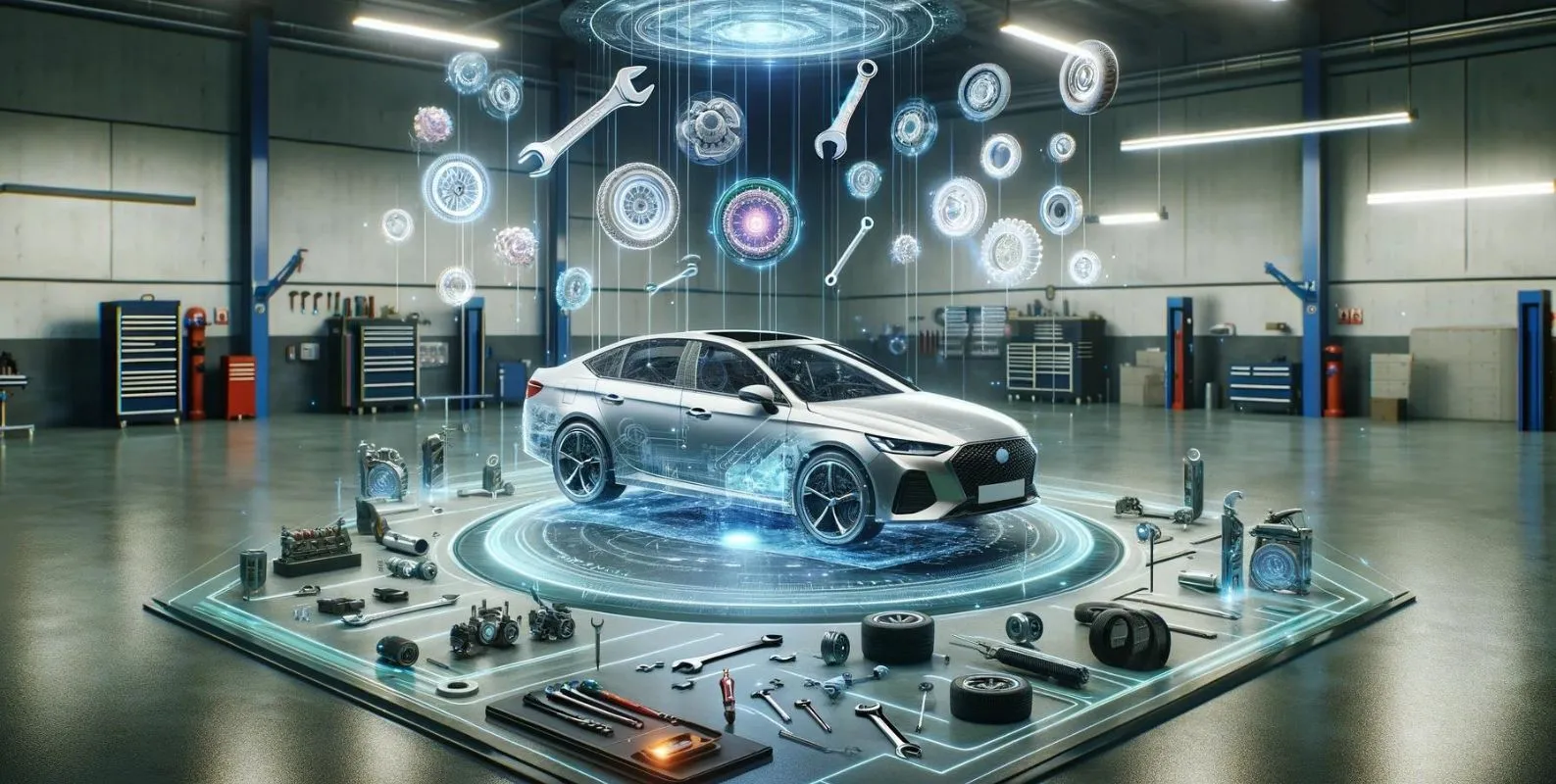
Augmented reality technology holds tremendous potential for addressing the challenges faced by the car maintenance and repair industry. By overlaying digital information, instructions, and visualizations onto physical objects, AR enhances technicians’ ability to diagnose, repair, and maintain vehicles efficiently and accurately.
Explanation of How AR Works
Augmented reality works by combining real-world images or video captured by a device’s camera with computer-generated graphics, text, or animations. Using sensors, cameras, and depth-sensing technologies, AR devices track the user’s movements and spatial orientation, allowing virtual objects to interact convincingly with the physical environment.
Benefits of Using AR in Car Maintenance
The integration of augmented reality in car maintenance offers several benefits, including:
-
-
- Enhanced diagnostics: AR technology provides technicians with real-time diagnostic information, overlays, and visualizations, enabling them to identify and troubleshoot issues more effectively.
- Guided repairs: AR-guided repair instructions superimpose step-by-step procedures, diagrams, and annotations onto the physical components, guiding technicians through complex repair tasks with precision and clarity.
- Virtual assistance: AR-enabled remote assistance platforms allow technicians to collaborate with experts in real-time, accessing expert guidance, troubleshooting tips, and technical support regardless of geographical location.
- Training and education: AR simulations and interactive tutorials offer immersive training experiences for aspiring technicians, allowing them to practice diagnostic procedures, repair techniques, and maintenance tasks in a virtual environment.
-
Examples of AR Applications in Automotive Industry
Several automotive manufacturers and technology companies have adopted augmented reality to enhance car maintenance and repair processes. Some notable examples include:
-
-
- Porsche’s AR-guided repair assistance system provides technicians with visual overlays and instructions for servicing vehicles more efficiently.
- BMW’s AR-powered maintenance app allows users to visualize and identify vehicle components, access repair manuals, and schedule service appointments from their smartphones.
- Hyundai’s AR-based owner’s manual uses smartphone cameras to recognise vehicle parts and display relevant information, such as maintenance schedules, fluid capacities, and troubleshooting tips.
-
Enhanced Diagnostics with AR
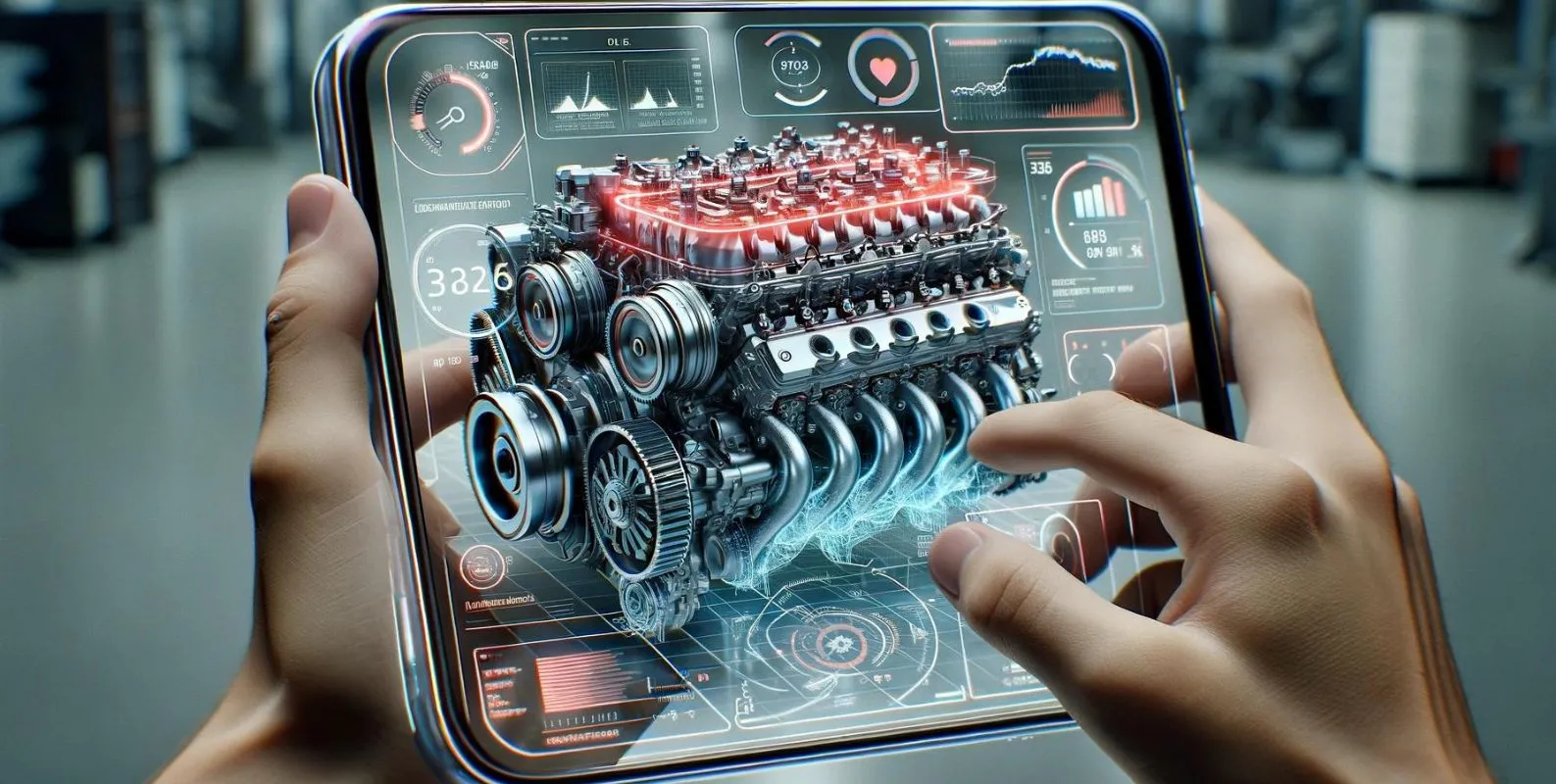
One of the key areas where augmented reality demonstrates its utility in car maintenance is diagnostics. Traditional diagnostic methods often involve:
- Connecting diagnostic tools to the vehicle’s onboard computer system.
- Interpreting error codes.
- Performing manual inspections to identify the root cause of the problem.
Augmented reality enhances this process by providing technicians with real-time diagnostic data, visualizations, and overlays highlighting potential issues and guiding them through troubleshooting.
How AR Aids in Diagnosing Car Issues
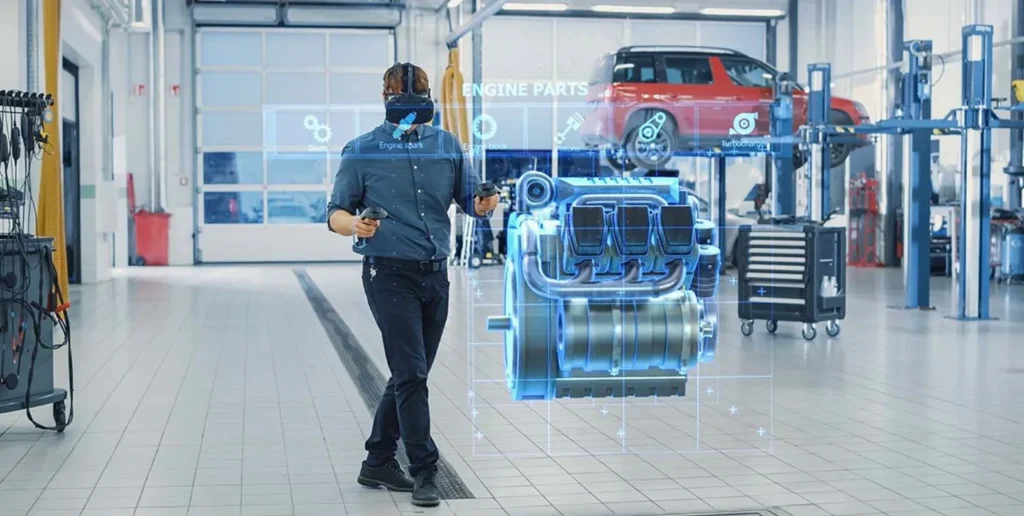
Augmented reality diagnostic tools utilize sensors, cameras, and computer vision algorithms to analyze vehicle components, detect abnormalities, and generate actionable insights for technicians. By overlaying diagnostic data, error codes, and relevant information onto the physical components, AR systems streamline the diagnostic process, reducing the time and effort required to identify and address car issues.
Real-time Data Visualization through AR
AR-enabled diagnostic systems provide technicians instant access to critical vehicle data, including engine parameters, sensor readings, and system status indicators. This real-time data visualization allows technicians to monitor vehicle performance, identify anomalies, and make informed decisions about maintenance and repair procedures.
Improvements in Accuracy and Efficiency of Diagnostics
By augmenting the diagnostic process with digital overlays and visualizations, AR technology enhances technicians’ ability to diagnose car issues accurately and efficiently. The intuitive nature of AR-guided diagnostics reduces the risk of human error, improves diagnostic accuracy, and minimizes the likelihood of misdiagnoses or unnecessary repairs.
Guided Repairs using AR
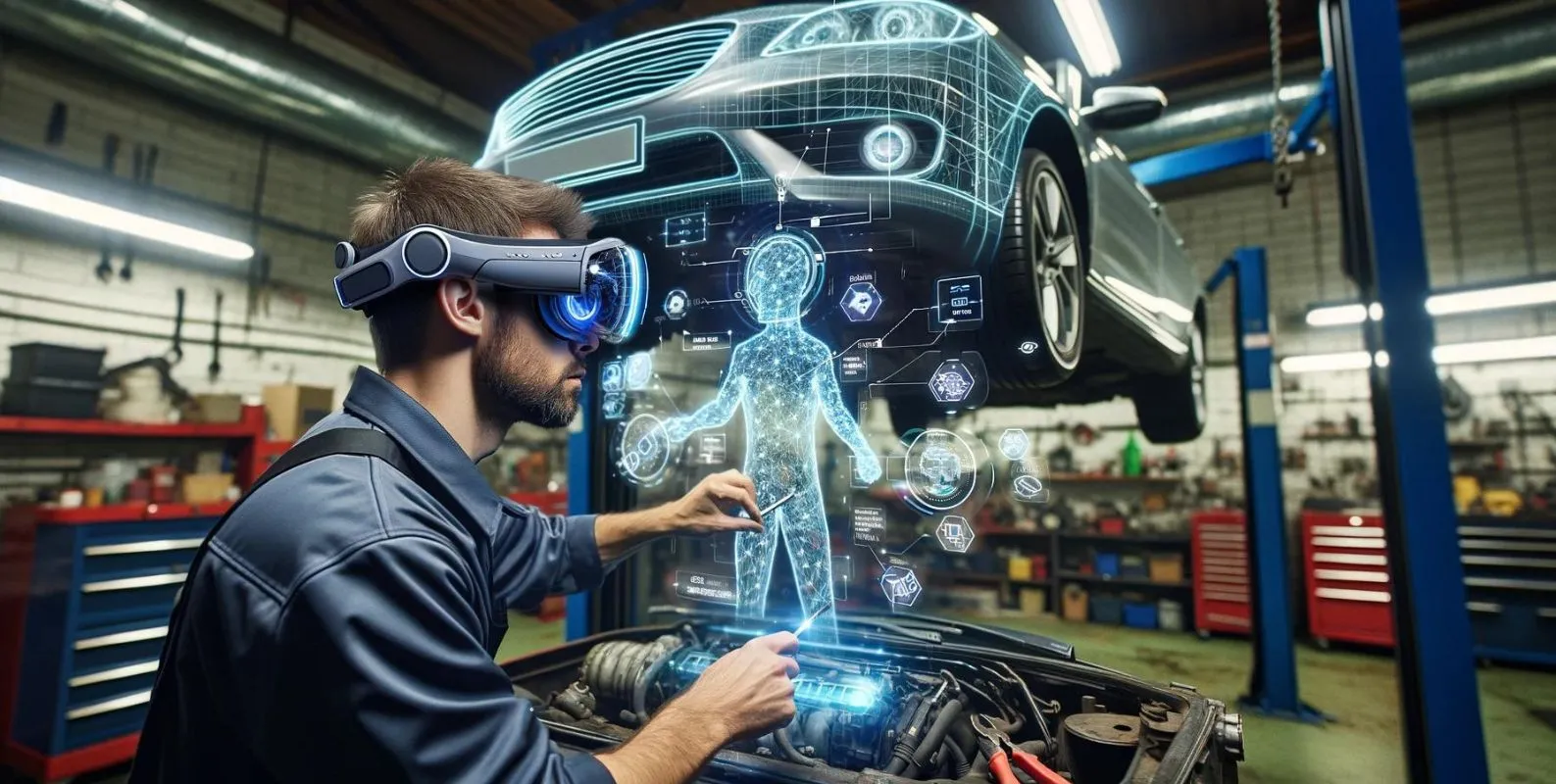
In addition to diagnosing car issues, augmented reality also facilitates guided repairs, offering technicians step-by-step instructions and visual aids to perform repairs with precision and confidence.
Step-by-step Repair Instructions with AR Overlays
AR-guided repair systems overlay detailed instructions, diagrams, and animations onto physical components, providing technicians with clear guidance throughout the repair process. These instructions may include torque specifications, tool requirements, safety precautions, and sequential steps to ensure proper disassembly, repair, and reassembly of vehicle components.
Interactive Tutorials for Novice Users
For novice technicians or DIY enthusiasts, AR-enabled interactive tutorials offer invaluable support in tackling maintenance and repair tasks. These tutorials provide immersive, hands-on learning experiences, allowing users to interact with virtual representations of vehicle components, practice repair techniques, and receive instant feedback on their performance.
Reduction in Human Error during Repairs
By guiding technicians through each step of the repair process, augmented reality helps minimize the risk of human error and ensures consistent quality across repairs. AR systems can highlight critical components, warn against common pitfalls, and provide real-time feedback to help technicians avoid costly mistakes and rework.
Virtual Assistance and Remote Support
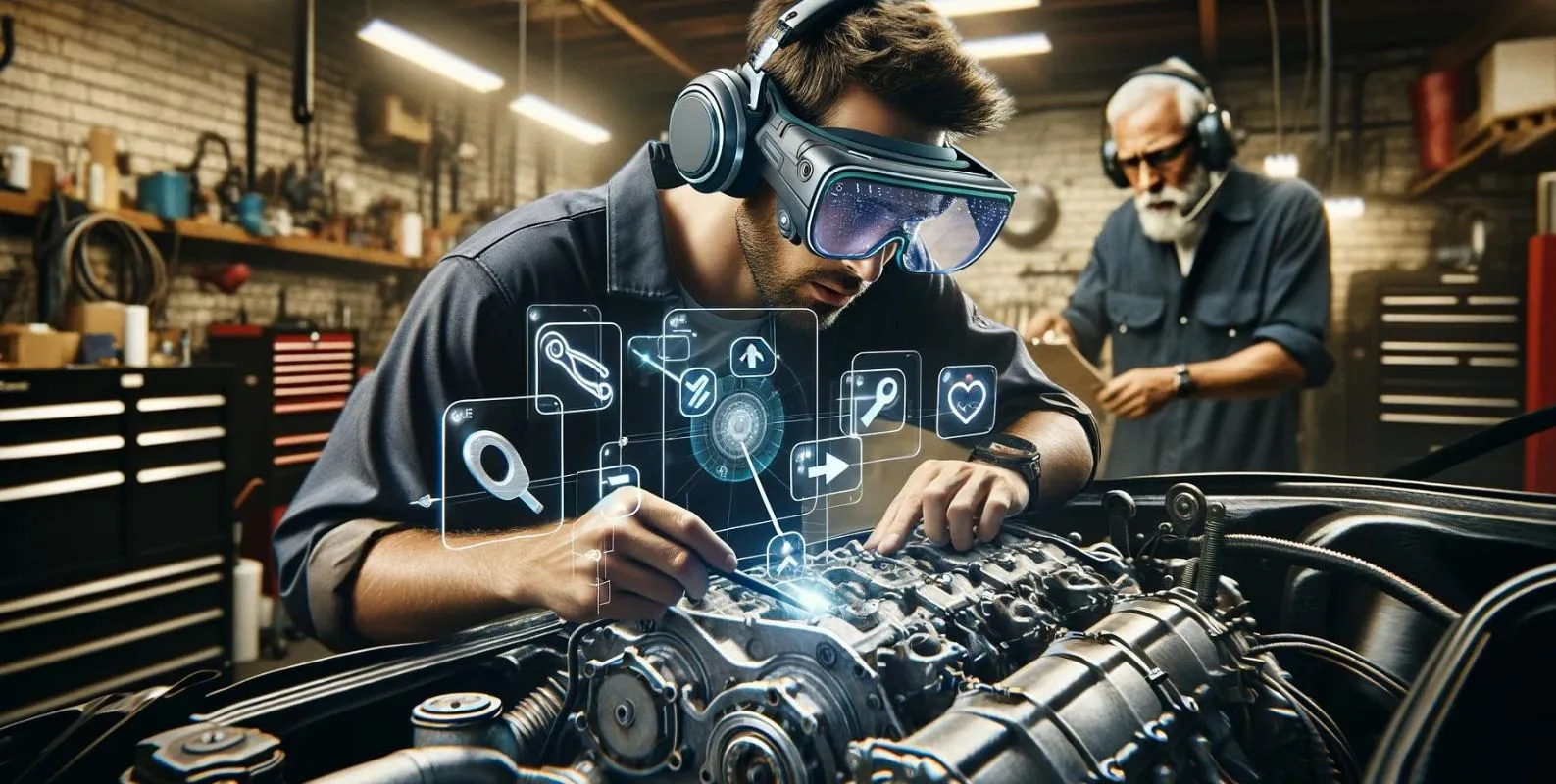
Augmented reality extends beyond the confines of the repair shop, enabling remote assistance and support for technicians working in the field or at distant locations.
Access to Expert Guidance through AR
AR-enabled remote assistance platforms connect technicians with experts via live video feeds, allowing them to share their field of view and collaborate in real-time. Experts can provide guidance, troubleshoot issues, and offer solutions remotely, reducing the need for onsite visits and expediting repair times.
Remote Troubleshooting with AR-enabled Devices
Technicians equipped with AR-enabled devices, such as smart glasses or smartphones, can access digital overlays, schematics, and technical documentation while working on vehicles. This hands-free access to information enhances productivity, minimizes downtime, and empowers technicians to resolve complex issues efficiently, even in remote or challenging environments.
Cost-saving Benefits for Both Consumers and Businesses
By leveraging augmented reality for remote support and troubleshooting, automotive service providers can reduce the need for expensive onsite visits, minimize travel costs, and optimize resource allocation. Similarly, vehicle owners can benefit from faster repair times, reduced labor costs, and improved service quality, ultimately saving time and money in the long run.
AR-enabled Training and Education
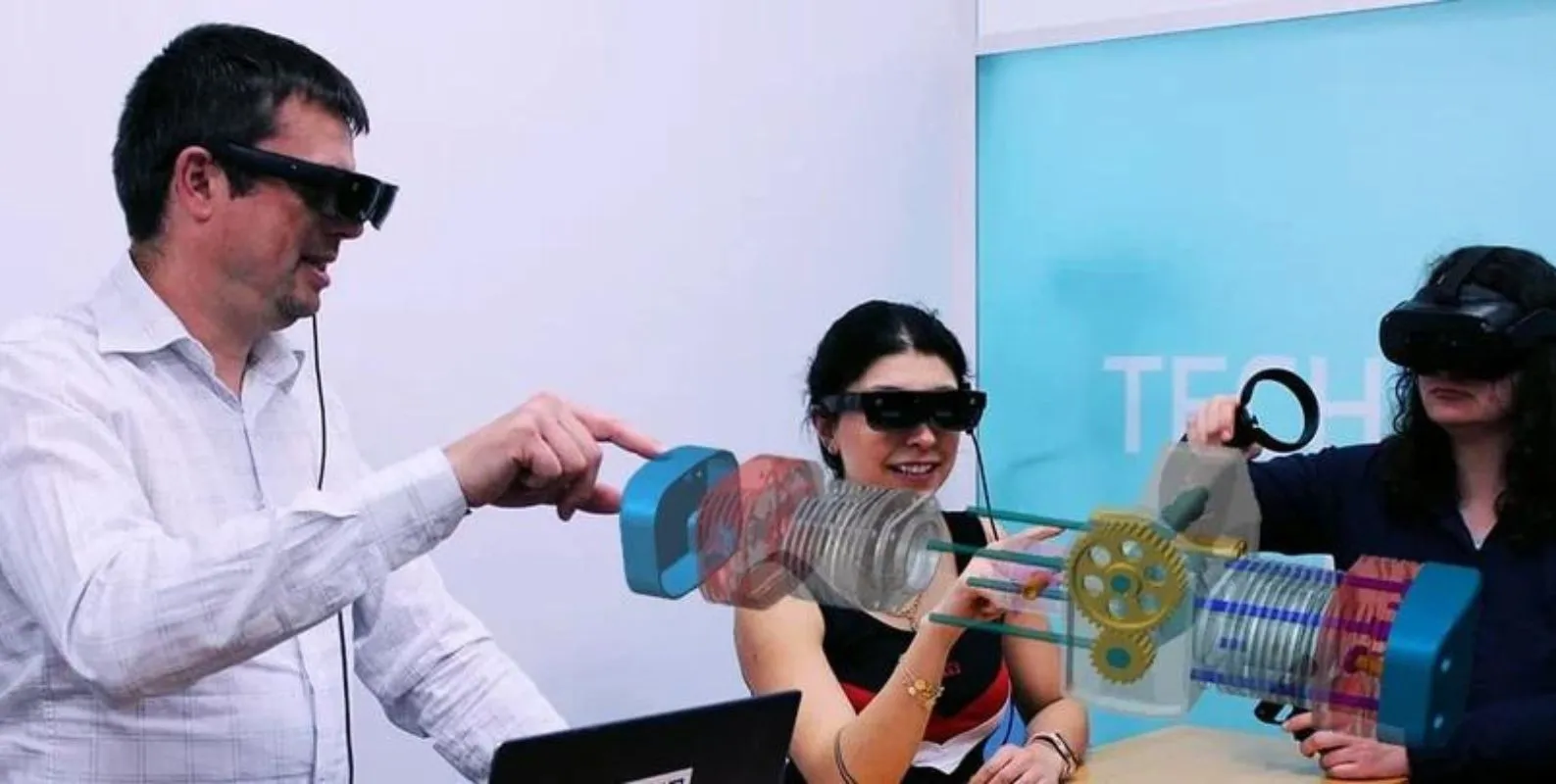
Augmented reality is not only transforming the way technicians diagnose and repair vehicles but also revolutionizing training and education in the automotive industry.
Training Mechanics and Technicians with AR Simulations
AR simulations offer immersive training environments where aspiring mechanics and technicians can practice diagnostic procedures, repair techniques, and maintenance tasks in a virtual setting. These simulations replicate real-world scenarios, allowing trainees to gain hands-on experience without the risk of damaging physical vehicles or components.
Bridging the Skill Gap in Automotive Industry
The automotive industry faces a growing shortage of skilled technicians capable of servicing modern vehicles equipped with advanced technologies. Augmented reality training programs help bridge this skill gap by providing accessible, interactive learning experiences that cater to diverse learning styles and skill levels.
Continuous Learning and Skill Enhancement Opportunities
AR-enabled training platforms offer ongoing learning and skill enhancement opportunities for automotive professionals, allowing them to stay abreast of evolving technologies, industry trends, and best practices. By offering modular, on-demand training modules, AR helps technicians acquire new skills, certifications, and qualifications throughout their careers.
Future Trends in AR for Car Maintenance
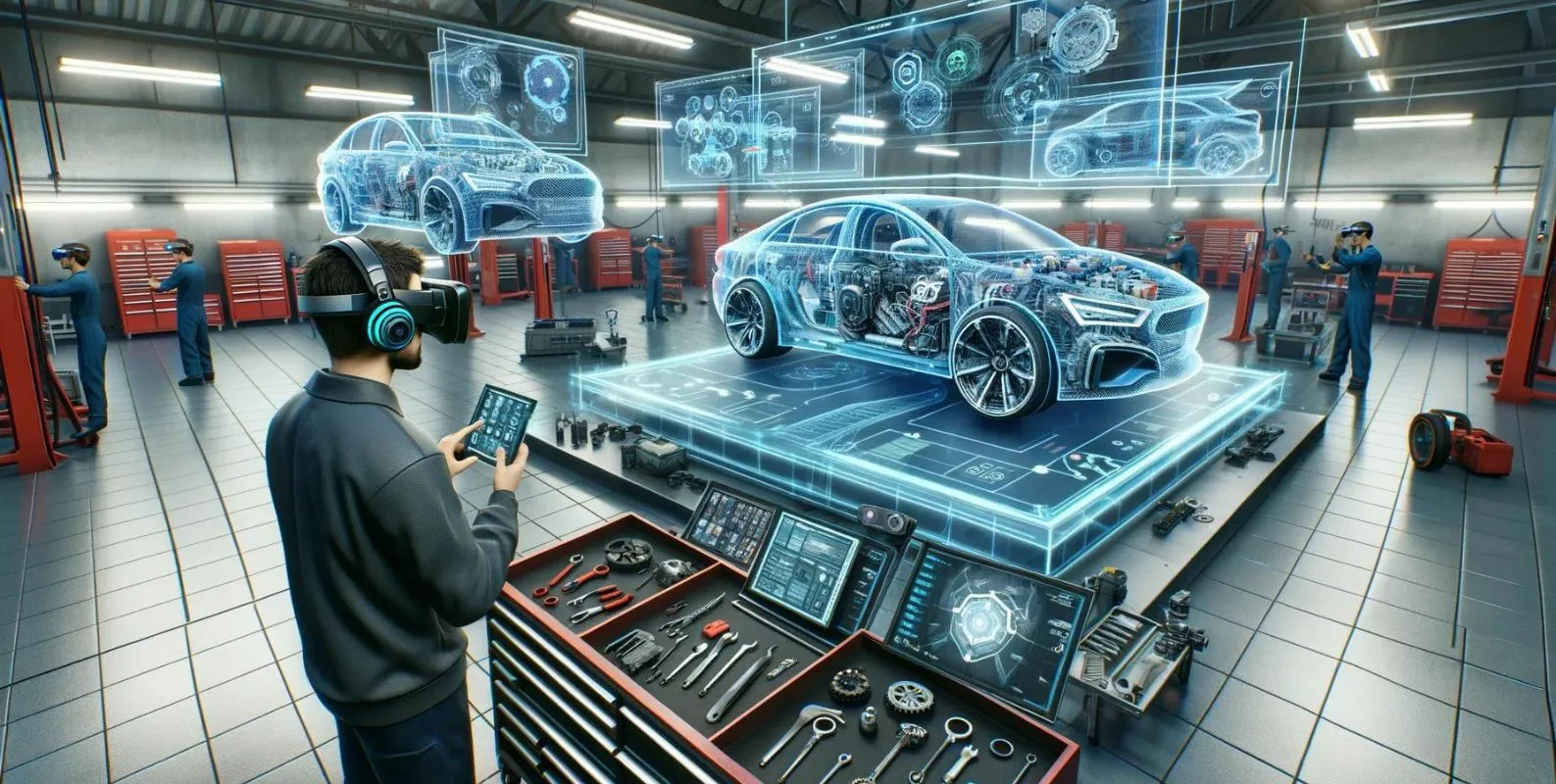
Looking ahead, the future of augmented reality in car maintenance is ripe with possibilities, driven by advancements in technology, evolving consumer expectations, and industry innovation.
Advancements in AR Technology
As augmented reality technology continues to evolve, we can expect to see improvements in hardware capabilities, software algorithms, and user interfaces. Future AR devices may offer higher resolution displays, enhanced tracking accuracy, and more immersive user experiences, making them indispensable tools for automotive professionals.
Predictions for Future AR Applications in Automotive Sector
The potential applications of augmented reality in the automotive sector are virtually limitless. From augmented reality windshields that overlay navigation information and hazard alerts onto the driver’s field of view to AR-powered maintenance platforms that guide autonomous repair drones, the future of AR in car maintenance is both exciting and transformative.
Potential Challenges and Opportunities
While augmented reality holds immense promise for enhancing car maintenance and repair processes, it also presents certain challenges and considerations. Technical hurdles, such as ensuring compatibility with diverse vehicle makes and models, optimizing AR algorithms for real-world environments, and addressing privacy and security concerns, will need to be overcome to realize the full potential of AR in automotive maintenance.
Case Studies: Successful Implementation of AR in Automotive Industry
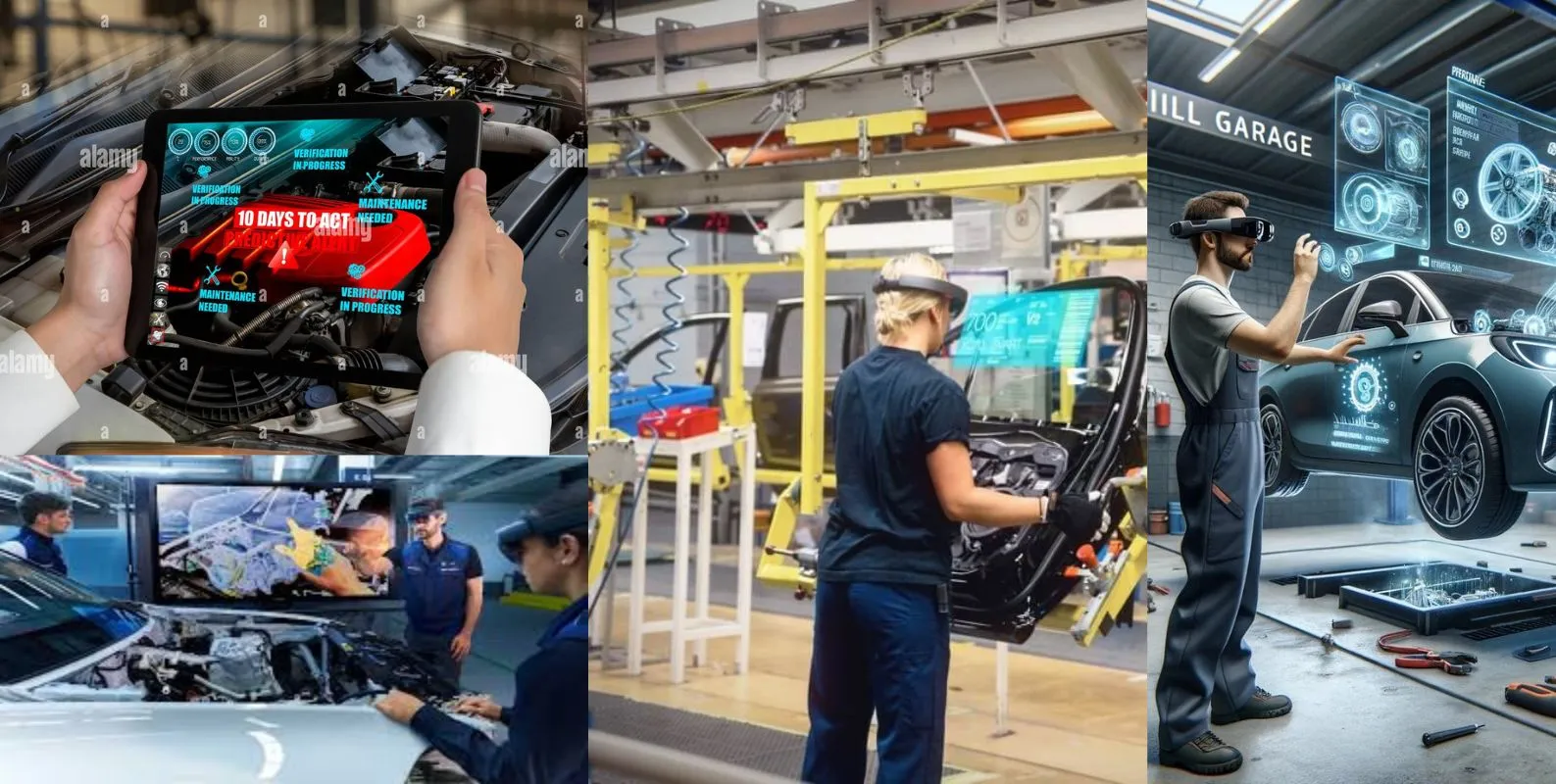
Several automotive manufacturers, service providers, and technology companies have already embraced augmented reality to improve car maintenance and repair operations.
Examples of Car Manufacturers Utilizing AR
Porsche: Porsche’s AR-guided repair assistance system provides technicians with visual overlays and instructions for servicing vehicles more efficiently.
BMW: BMW’s AR-powered maintenance app allows users to visualize and identify vehicle components, access repair manuals, and schedule service appointments from their smartphones.
Hyundai: Hyundai’s AR-based owner’s manual uses smartphone cameras to recognize vehicle parts and display relevant information, such as maintenance schedules, fluid capacities, and troubleshooting tips.
Success Stories of AR Adoption in Car Maintenance
Companies that have adopted augmented reality in car maintenance and repair have reported significant improvements in efficiency, accuracy, and customer satisfaction. By leveraging AR technology, these companies have streamlined diagnostic processes, accelerated repair times, and reduced operational costs, ultimately enhancing their competitive advantage in the market.
Challenges and Limitations of AR in Car Maintenance
Despite its many benefits, augmented reality in car maintenance also faces several challenges and limitations that must be addressed for widespread adoption and success.
Technical Limitations of Current AR Systems
Current augmented reality systems may struggle with issues such as limited field of view, tracking accuracy, occlusion, and environmental variability. Overcoming these technical limitations requires ongoing research and development efforts to improve sensor technology, refine computer vision algorithms, and optimize user interfaces for real-world applications.
Integration Challenges in Existing Repair Processes
Integrating augmented reality into existing car maintenance and repair workflows poses logistical challenges, including compatibility with legacy systems, training requirements for technicians, and workflow disruptions during implementation. Successfully integrating AR into repair processes requires careful planning, stakeholder buy-in, and a phased approach to deployment.
Training Requirements for Widespread Adoption
While augmented reality offers intuitive and user-friendly interfaces, effectively leveraging AR in car maintenance requires proper training and education for technicians. Training programs must cover not only technical aspects of AR usage but also best practices for integrating AR into existing repair processes, troubleshooting common issues, and maximizing the benefits of AR technology.
Cost Considerations and ROI
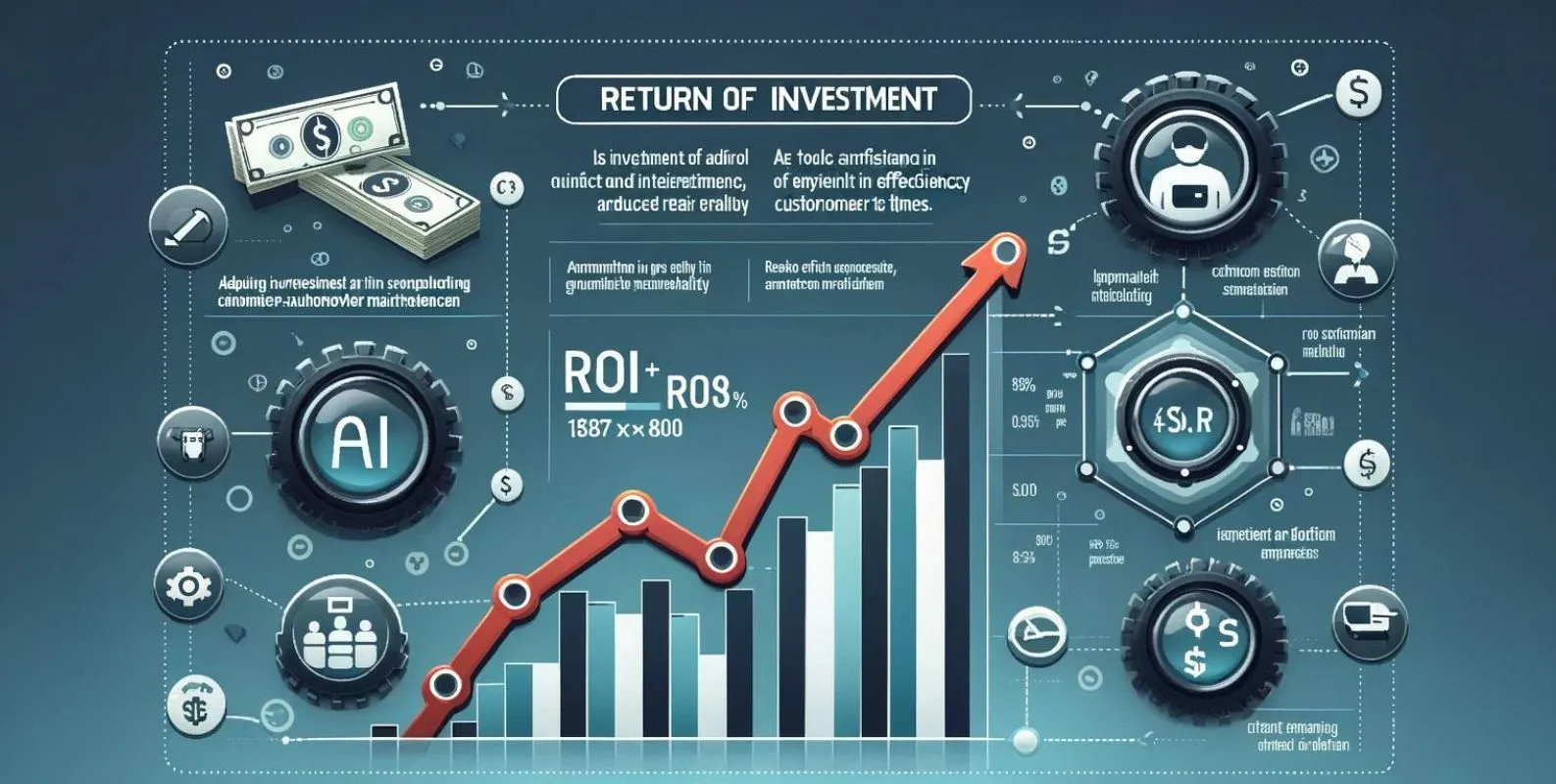
Investing in augmented reality technology for car maintenance and repair involves upfront costs, but the potential return on investment (ROI) can be substantial, both in terms of operational efficiency and customer satisfaction.
Initial Investment in AR Technology
The initial investment in AR technology includes expenses such as hardware procurement, software development, training programs, and infrastructure upgrades. While these costs may seem significant, they are often outweighed by the long-term benefits of improved productivity, reduced labor costs, and enhanced service quality.
Long-term Cost Savings and Return on Investment
By streamlining diagnostic processes, accelerating repair times, and minimizing errors, augmented reality can generate significant cost savings for automotive service providers. These savings may manifest in various forms, including reduced warranty claims, increased service throughput, higher customer retention rates, and enhanced brand reputation.
Comparative Analysis with Traditional Repair Methods
Augmented reality offers several advantages over traditional repair methods, including:
-
- Efficiency: AR-guided diagnostics and repairs reduce the time and effort required to identify and address car issues, resulting in faster turnaround times and increased service throughput.
- Accuracy: By providing technicians with real-time diagnostic data, visualizations, and step-by-step instructions, augmented reality minimizes the risk of human error and ensures consistent quality across repairs.
- Accessibility: AR-enabled remote support platforms allow technicians to access expert guidance and troubleshooting tips regardless of their location, improving accessibility to technical expertise and reducing the need for onsite visits.
- Training and Education: Augmented reality simulations and tutorials offer immersive learning experiences for technicians, allowing them to practice repair techniques and gain hands-on experience in a virtual environment.
While the initial investment in augmented reality technology may be higher than traditional repair methods, the long-term cost savings and return on investment are significant. By reducing labor costs, minimizing errors, and enhancing customer satisfaction, augmented reality ultimately improves the bottom line for automotive service providers.
User Experience and Accessibility
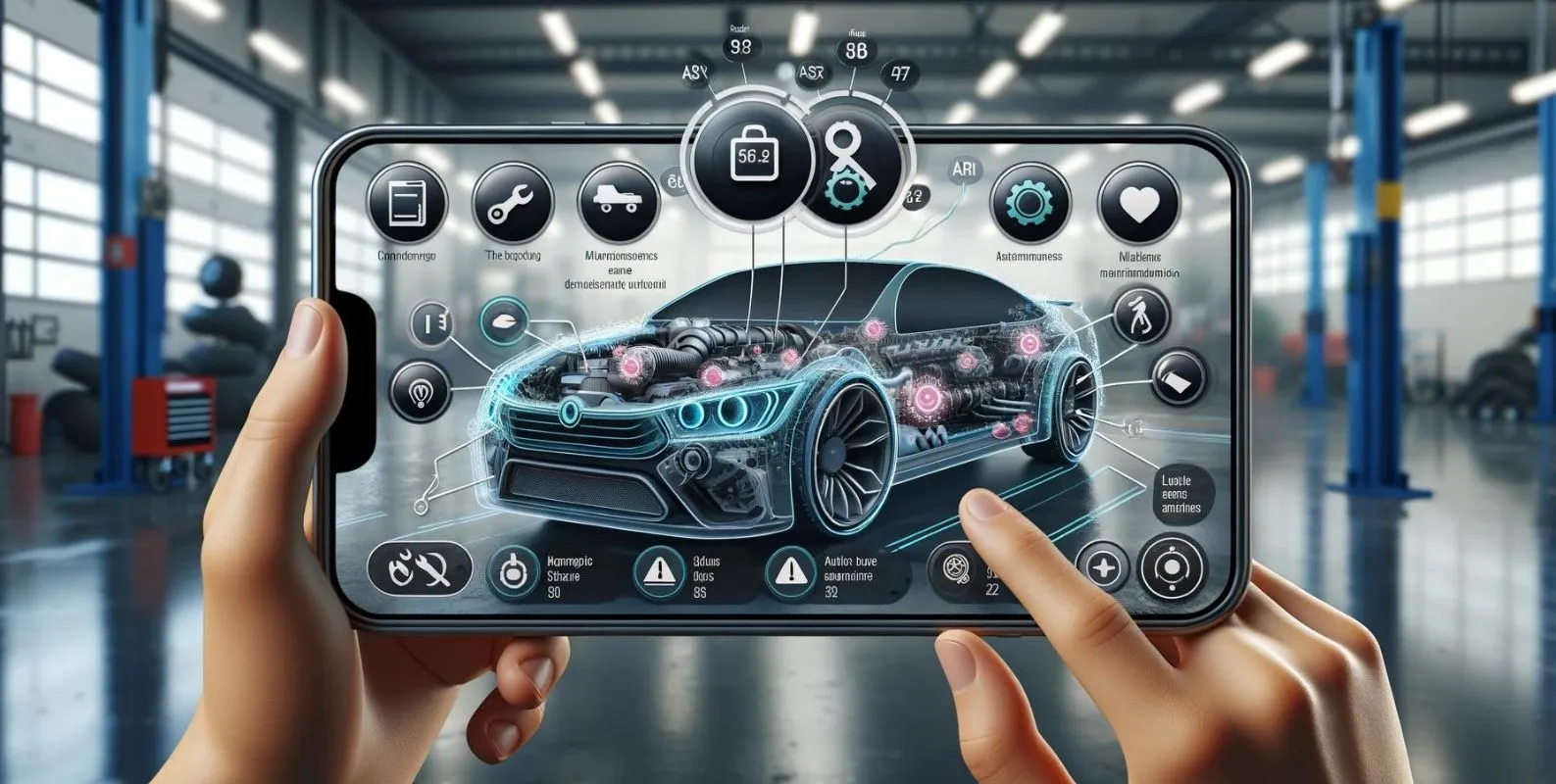
Augmented reality technology aims to enhance the user experience and accessibility of car maintenance and repair services, catering to diverse users and skill levels.
Accessibility Considerations for Diverse Users
AR interfaces prioritize user-friendly design principles, intuitive interactions, and accessibility features to accommodate users with varying levels of technical expertise and physical abilities. Clear instructions, visual cues, and voice-guided prompts ensure that users can navigate AR applications easily and effectively.
User-friendly AR Interfaces
Augmented reality interfaces are designed to be intuitive and user-friendly, leveraging familiar gestures, icons, and interactions to minimize the learning curve for users. Whether accessing diagnostic data, following repair instructions, or collaborating with remote experts, technicians can interact with AR systems seamlessly using smartphones, tablets, or wearable devices.
Addressing Concerns about Technology Adoption
While augmented reality holds immense potential for transforming car maintenance and repair, concerns about technology adoption, usability, and acceptance remain. To address these concerns, automotive service providers must prioritize user training, provide ongoing technical support, and demonstrate the tangible benefits of AR technology through pilot programs and case studies.
Regulatory and Legal Implications
The integration of augmented reality into car maintenance and repair processes raises important regulatory and legal considerations, particularly concerning safety, compliance, and liability.
Compliance with Automotive Regulations
Automotive service providers must ensure that augmented reality systems comply with relevant automotive regulations, safety standards, and industry best practices. This includes verifying the accuracy of diagnostic data, maintaining data privacy and security, and adhering to manufacturer specifications for repairs and maintenance procedures.
Liability Issues in AR-assisted Repairs
Augmented reality introduces new liability considerations for automotive service providers, particularly in cases where AR-assisted repairs result in errors, malfunctions, or accidents. Clarifying liability arrangements, insurance coverage, and dispute resolution mechanisms is essential to protect both service providers and consumers in the event of unforeseen issues.
Emerging Legal Frameworks for AR Technology
As augmented reality technology continues to evolve, legal frameworks governing its use in car maintenance and repair are still being developed. Policymakers, industry stakeholders, and legal experts must collaborate to establish clear guidelines, standards, and regulations that promote the safe and responsible deployment of AR technology in the automotive sector.
Industry Partnerships and Collaboration

Collaboration between automotive companies, technology providers, and regulatory agencies is crucial for advancing the adoption of augmented reality in car maintenance and repair.
Collaboration between Automotive Companies and AR Developers
Automotive manufacturers and technology companies must collaborate closely to develop AR solutions that meet the specific needs and requirements of the automotive industry. By sharing expertise, resources, and best practices, these partnerships drive innovation, accelerate product development, and ensure seamless integration of AR technology into existing workflows.
Joint Ventures to Innovate Car Maintenance Solutions
Joint ventures, partnerships, and strategic alliances between automotive companies, AR developers, and service providers create opportunities to innovate and experiment with new car maintenance solutions. By pooling resources, sharing risks, and leveraging complementary strengths, these collaborations drive technological advancements and unlock new revenue streams in the automotive aftermarket.
Importance of Ecosystem Partnerships for Sustainable Growth
Augmented reality in car maintenance and repair relies on an interconnected ecosystem of hardware manufacturers, software developers, service providers, and end-users. Building and nurturing partnerships within this ecosystem is essential for driving sustainable growth, fostering innovation, and delivering value to customers.
Conclusion: The Future of Car Maintenance with Augmented Reality
In conclusion, augmented reality holds immense promise for revolutionizing the way we diagnose, repair, and maintain vehicles. By integrating digital overlays, real-time data visualization, and remote support capabilities into car maintenance workflows, augmented reality enhances efficiency, accuracy, and accessibility for technicians and consumers alike.
As technology continues to evolve and adoption rates increase, we can expect to see augmented reality become an integral part of the automotive service industry. By embracing innovation, fostering collaboration, and addressing regulatory and legal considerations, automotive companies can harness the full potential of augmented reality to deliver superior car maintenance experiences and drive sustainable growth in the digital era.