Table Of Content
| Section | Subheadings |
|---|---|
I. Introduction to Solar-Powered Cars |
A Brief History<br> Current State of Solar Powered Cars<br> Importance and Potential of Solar Energy in Transportation |
II. How Do Solar Powered Cars Work? |
Photovoltaic Cells: The Backbone<br> Energy Storage: Batteries and Beyond<br> Electric Motors: The Driving Force |
III. Challenges and Limitations |
Efficiency and Energy Conversion<br> Storage and Utilization of Solar Energy<br> Cost Considerations and Affordability<br> Practicality and Performance Issues |
IV. Recent Developments and Innovations |
Breakthroughs in Solar Panel Technology<br> Advances in Battery Storage Solutions<br> Integration with Electric Vehicle Infrastructure<br> Impact of AI and Automation |
V. Environmental and Economic Benefits |
Reduction of Greenhouse Gas Emissions<br> Renewable Energy Source<br> Cost Savings and Economic Opportunities<br> Long-Term Sustainability |
VI. Government Initiatives and Policies |
Incentives for Solar-Powered Vehicles<br> Regulatory Framework and Standards<br> Investment in Research and Development |
VII. Consumer Adoption and Market Trends |
Growing Interest and Awareness<br> Market Penetration and Growth Projections<br> Consumer Preferences and Behaviors |
VIII. Future Prospects and Predictions |
Technological Advancements on the Horizon<br> Potential Disruption in Transportation Industry<br> Forecast for Mass Adoption |
IX. Case Studies and Success Stories |
Notable Companies and Projects<br> Real-World Applications and Use Cases<br> Lessons Learned and Best Practices |
X. Collaboration and Partnerships |
Industry Collaboration for Innovation<br> Cross-Sector Partnerships<br> Role of Government, NGOs, and Academia |
XI. Addressing Skepticism and Misconceptions |
Debunking Myths about Solar Powered Cars<br> Clarifying Practicality and Viability |
XII. Global Impact and Sustainability |
Addressing Climate Change<br> Reducing Dependence on Fossil Fuels<br> Promoting Sustainable Transportation Solutions |
XIII. Ethical and Social Considerations |
Accessibility and Equity<br> Social Acceptance and Cultural Factors<br> Ethical Implications of Solar Energy Transition |
XIV. Conclusion |
Summary of Key Points<br> Final Thoughts on the Future of Solar Powered Cars<br> Call to Action: Embracing Sustainable Transportation |
XV. References and Additional Resources |
Citations for Further Reading<br> Links to Relevant Studies and Reports<br> Recommended Websites and Organizations |
Solar-Powered Cars: How Far Off Are We?
I. Introduction to Solar Powered Cars
Solar-powered cars represent a promising frontier in the realm of sustainable transportation. With concerns over climate change and environmental degradation mounting, the quest for alternative energy sources has intensified. Among these alternatives, solar energy stands out for its abundance and renewability. In this article, we delve into the current state of solar powered cars, exploring their feasibility, challenges, and potential impact on the future of transportation.
A. A Brief History
The concept of solar-powered vehicles is not new. The idea dates back several decades, with early experiments and prototypes emerging as early as the 1950s. However, it wasn’t until recent years that significant advancements in technology have made solar powered cars a more viable option for mass production.
B. Current State of Solar-Powered Cars
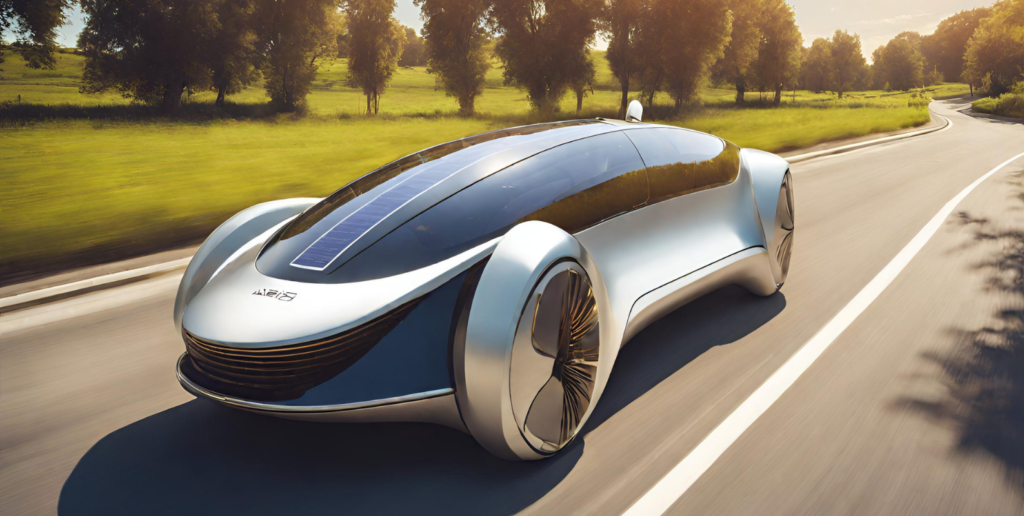
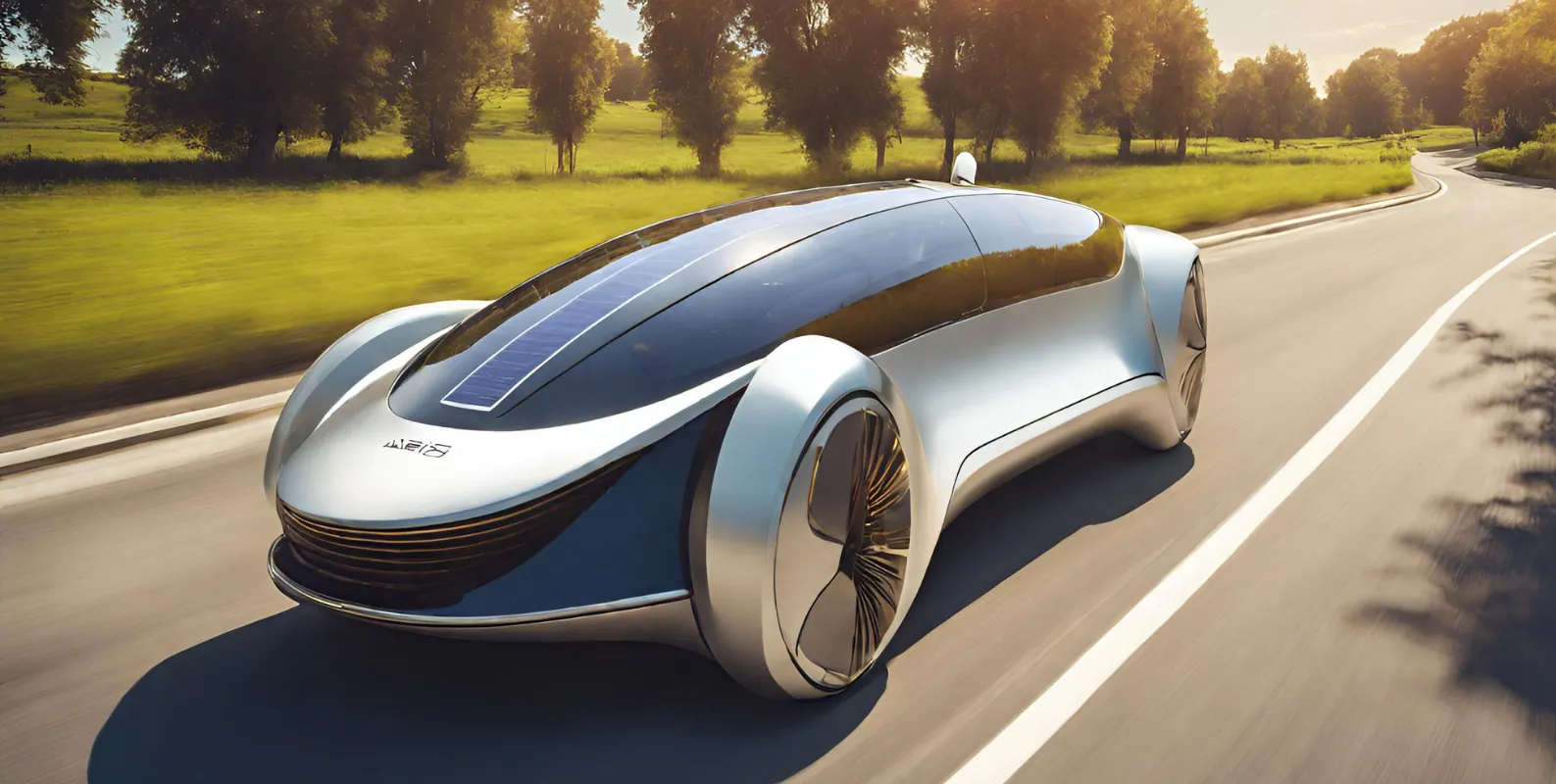
As of now, solar-powered cars remain a niche market, with only a handful of commercial models available. These vehicles typically integrate solar panels into their design, allowing them to harness sunlight and convert it into electricity to power the vehicle’s electric motor.
C. Importance and Potential of Solar Energy in Transportation
Solar energy holds immense potential as a clean and renewable energy source for transportation. By harnessing the power of the sun, we can reduce our dependence on fossil fuels, mitigate greenhouse gas emissions, and move towards a more sustainable future.
II. How Do Solar-Powered Cars Work?
Understanding the underlying mechanics of solar-powered cars is essential to grasp their feasibility and limitations.

A. Photovoltaic Cells: The Backbone
At the heart of any solar-powered car are photovoltaic cells, which convert sunlight into electricity through the photovoltaic effect. These cells are typically made from silicon or other semiconducting materials and are arranged in solar panels mounted on the vehicle’s surface.
B. Energy Storage: Batteries and Beyond
While solar panels generate electricity during daylight hours, energy storage is crucial for powering the vehicle when sunlight is not available. Most solar-powered cars utilize rechargeable batteries to store excess energy generated by the solar panels for later use.
C. Electric Motors: The Driving Force
Electric motors serve as the propulsion system for solar-powered cars, converting electrical energy from the batteries into mechanical energy to drive the vehicle forward. These motors are highly efficient and produce zero emissions, making them ideal for sustainable transportation.
III. Challenges and Limitations
Despite their potential, solar-powered cars face several challenges and limitations that hinder their widespread adoption.
A. Efficiency and Energy Conversion
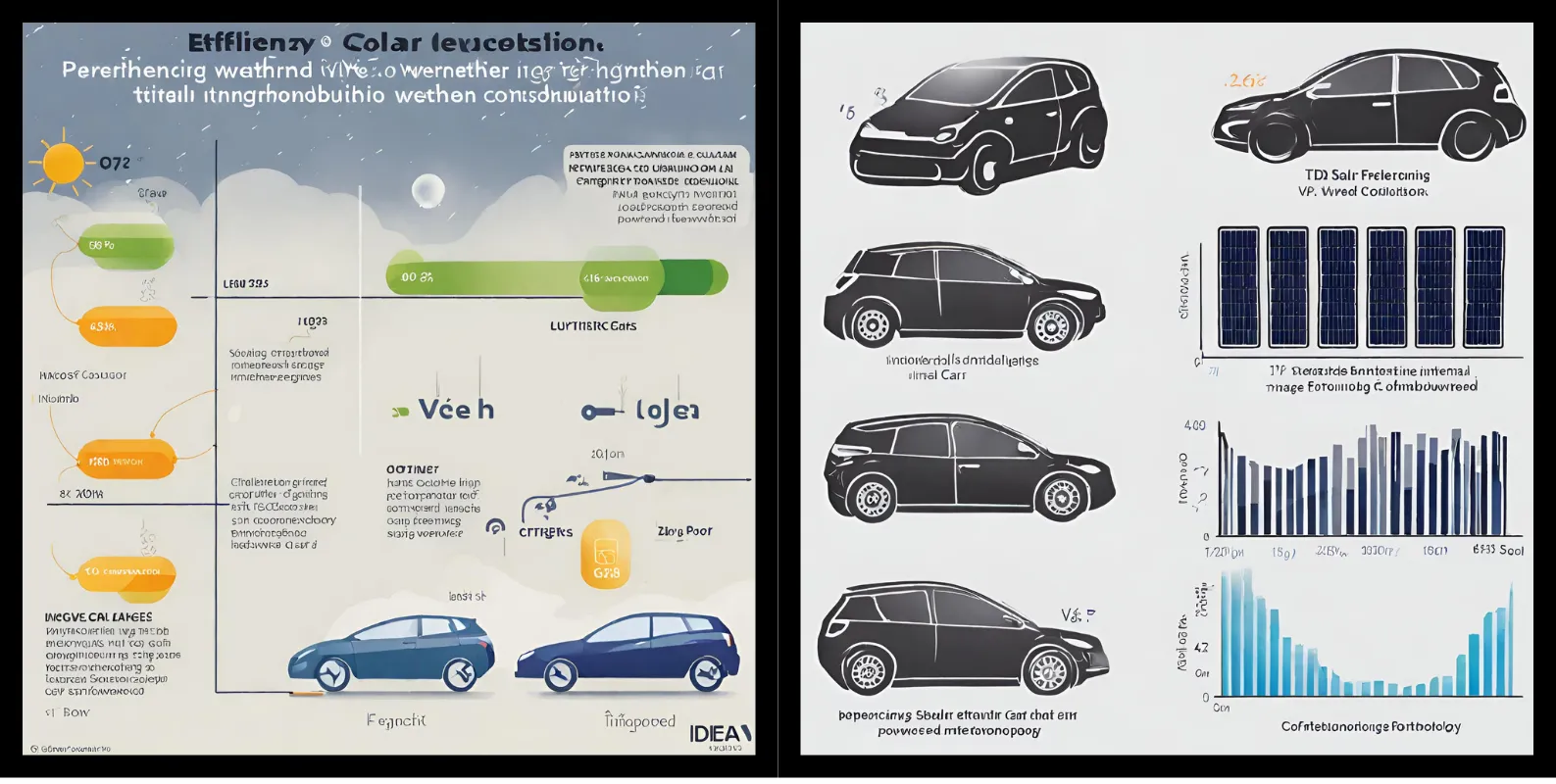
One of the primary challenges facing solar-powered cars is the efficiency of energy conversion. Solar panels have a limited efficiency in converting sunlight into electricity, and factors such as shading, angle of incidence, and weather conditions can further reduce their effectiveness.
B. Storage and Utilization of Solar Energy
Storage and utilization of solar energy present significant challenges for solar-powered cars. While batteries provide a means of storing excess energy, their capacity and weight limit the range and performance of these vehicles.
C. Cost Considerations and Affordability
Cost is another barrier to the widespread adoption of solar-powered cars. While the price of solar panels has decreased in recent years, they still represent a significant investment for consumers. Additionally, the cost of high-capacity batteries adds to the overall expense of these vehicles.
D. Practicality and Performance Issues
Practicality and performance are also concerns for solar-powered cars. Limited sunlight exposure, long charging times, and reduced efficiency in cloudy or rainy conditions can impact the usability of these vehicles in everyday scenarios.
IV. Recent Developments and Innovations
Despite these challenges, significant progress has been made in the development of solar-powered cars, thanks to ongoing research and innovation.
A. Breakthroughs in Solar Panel Technology
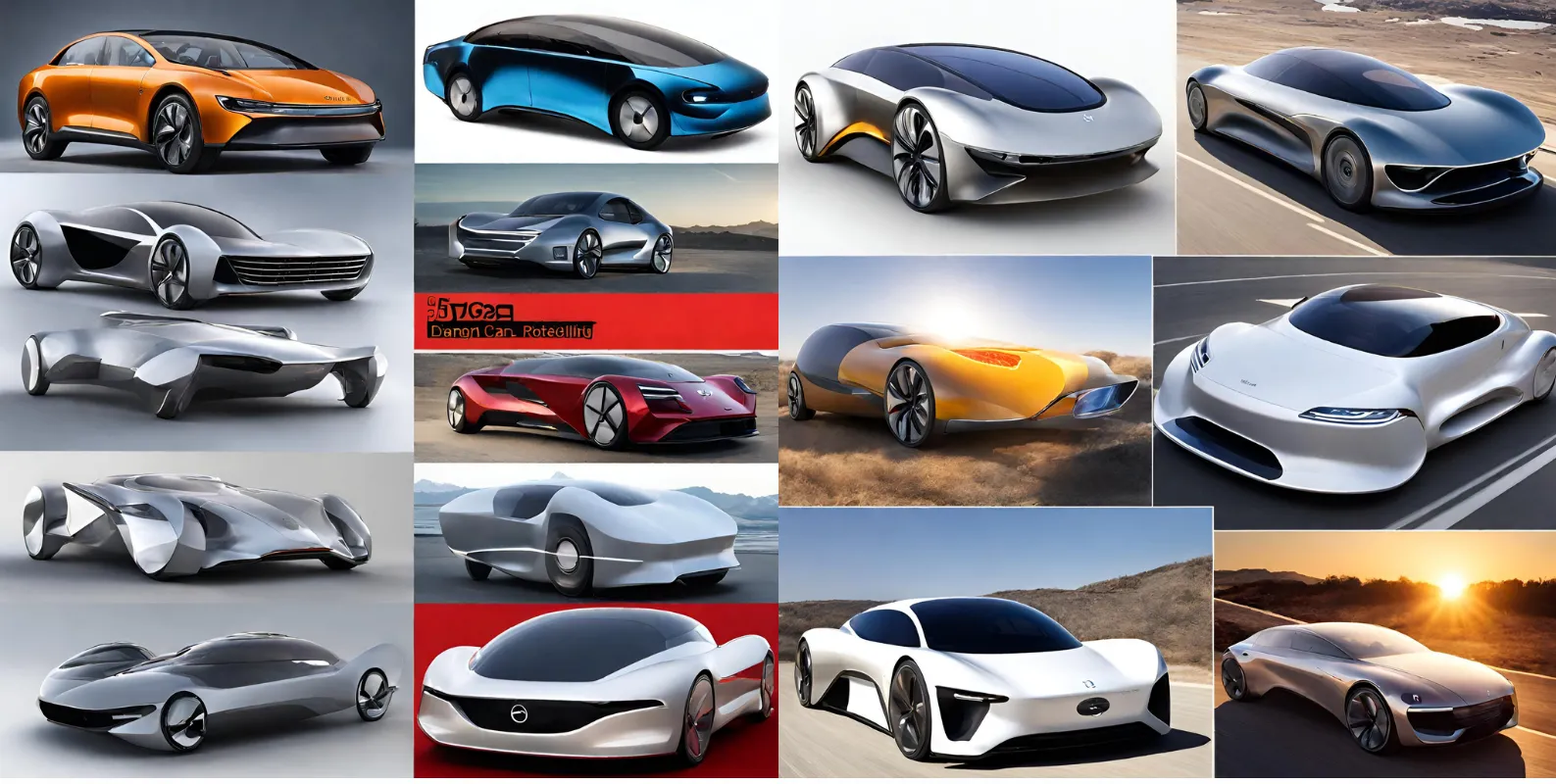
Advancements in solar panel technology have led to improvements in efficiency and durability, making them more suitable for automotive applications. Thin-film solar cells, in particular, offer flexibility and lightweight construction, ideal for integration into vehicle surfaces.
B. Advances in Battery Storage Solutions
Innovations in battery technology have also contributed to the advancement of solar-powered cars. Lithium-ion batteries, with their high energy density and cycle life, have become the preferred choice for storing solar energy in vehicles. Additionally, research into alternative battery chemistries and solid-state batteries holds promise for further improving energy storage capabilities.
C. Integration with Electric Vehicle Infrastructure
The integration of solar-powered cars with existing electric vehicle (EV) infrastructure presents new opportunities for sustainable transportation. Charging stations equipped with solar panels can provide clean energy directly to electric vehicles, reducing dependence on the grid and fossil fuels.
D. Impact of AI and Automation
Advancements in artificial intelligence (AI) and automation are also influencing the development of solar-powered cars. AI algorithms can optimize energy management systems, predicting sunlight availability and adjusting power consumption accordingly. Automation technologies, such as self-driving capabilities, further enhance the efficiency and safety of solar-powered vehicles.
V. Environmental and Economic Benefits
The transition to solar-powered cars offers numerous environmental and economic benefits, paving the way for a more sustainable transportation system.
A. Reduction of Greenhouse Gas Emissions
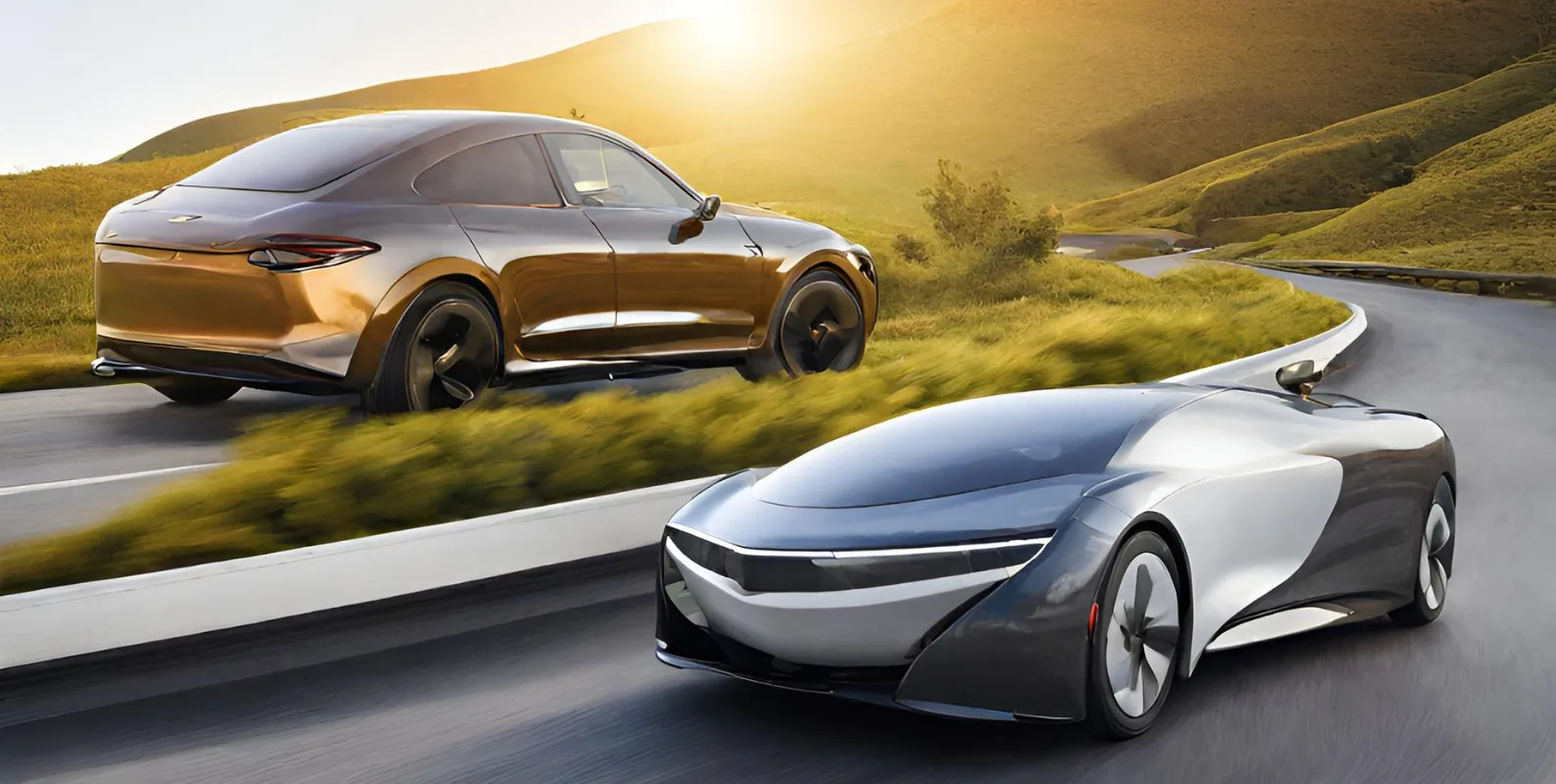
By replacing conventional fossil fuel-powered vehicles with solar-powered alternatives, we can significantly reduce greenhouse gas emissions. Solar energy is clean and renewable, producing no harmful pollutants or carbon dioxide during operation.
B. Renewable Energy Source
Solar energy is abundant and inexhaustible, making it an ideal renewable energy source for transportation. Unlike finite fossil fuels, solar power can be harnessed indefinitely, ensuring long-term energy security and independence.
C. Cost Savings and Economic Opportunities
Investing in solar-powered cars can lead to significant cost savings over time. While the initial purchase price may be higher than traditional vehicles, lower operating costs and reduced reliance on expensive gasoline or diesel fuel can offset these expenses in the long run. Moreover, the growing demand for solar-powered vehicles creates economic opportunities in manufacturing, research, and infrastructure development.
D. Long-Term Sustainability
Embracing solar-powered cars is essential for achieving long-term sustainability in the transportation sector. By diversifying our energy sources and reducing dependence on finite resources, we can build a more resilient and environmentally friendly transportation system for future generations.
VI. Government Initiatives and Policies
Government initiatives and policies play a crucial role in promoting the adoption of solar-powered cars and incentivizing sustainable transportation practices.
A. Incentives for Solar-Powered Vehicles
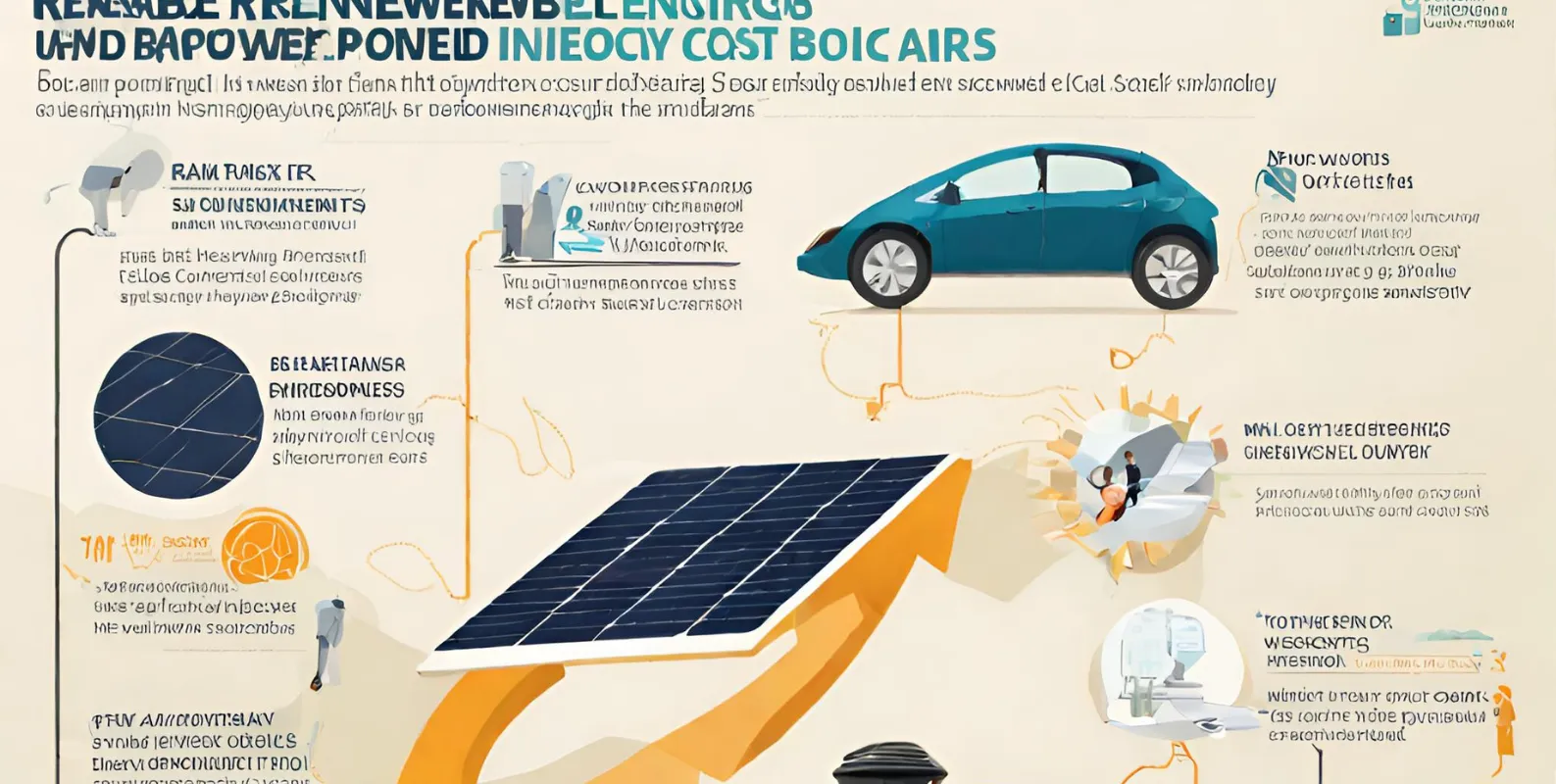
Many governments offer incentives and subsidies to encourage consumers to purchase solar-powered vehicles. These incentives may include tax credits, rebates, or grants for installing solar panels or purchasing electric vehicles. Additionally, some jurisdictions provide preferential treatment, such as access to carpool lanes or reduced registration fees, for environmentally friendly vehicles.
B. Regulatory Framework and Standards
Regulatory frameworks and standards help ensure the safety, performance, and interoperability of solar-powered cars. Governments establish regulations regarding vehicle emissions, safety standards, and energy efficiency requirements to promote the development and adoption of sustainable transportation technologies.
C. Investment in Research and Development
Governments also invest in research and development initiatives to advance solar-powered car technology and address key challenges. Funding for research grants, academic partnerships, and industry collaborations accelerates innovation and drives progress towards more efficient and affordable solar-powered vehicles.
VII. Consumer Adoption and Market Trends
Consumer adoption of solar-powered cars is influenced by various factors, including market trends, consumer preferences, and awareness campaigns.

A. Growing Interest and Awareness
There is a growing interest among consumers in environmentally friendly transportation options, driven by concerns over climate change and air pollution. Awareness campaigns, media coverage, and advocacy efforts educate the public about the benefits of solar-powered cars, stimulating demand and driving market growth.
B. Market Penetration and Growth Projections
While solar-powered cars currently represent a small segment of the automotive market, analysts predict significant growth in the coming years. Technological advancements, declining costs, and supportive government policies are expected to fuel market penetration and drive adoption rates upwards.
C. Consumer Preferences and Behaviors
Consumer preferences play a crucial role in shaping the market for solar-powered cars. Factors such as vehicle range, charging infrastructure, design aesthetics, and brand reputation influence purchasing decisions. Manufacturers must understand and cater to consumer preferences to successfully market solar-powered vehicles and gain market share.
VIII. Future Prospects and Predictions
The future of solar-powered cars is bright, with continued advancements in technology poised to revolutionize the transportation industry.

A. Technological Advancements on the Horizon
Ongoing research and development efforts are focused on improving the efficiency, affordability, and practicality of solar-powered cars. Innovations in solar panel technology, battery storage solutions, and vehicle design are expected to enhance performance and extend range, making solar-powered cars more competitive with traditional vehicles.
B. Potential Disruption in Transportation Industry
The widespread adoption of solar-powered cars has the potential to disrupt the transportation industry and reshape urban mobility patterns. As solar-powered vehicles become more mainstream, they could reduce reliance on fossil fuels, alleviate traffic congestion, and promote sustainable urban development.
C. Forecast for Mass Adoption
While mass adoption of solar-powered cars may still be several years away, analysts remain optimistic about the future of solar-powered transportation. As technology continues to improve and consumer awareness grows, solar-powered cars are expected to become increasingly prevalent on roads around the world.
IX. Case Studies and Success Stories
Examining real-world examples of solar-powered cars provides valuable insights into their feasibility, performance, and impact.
A. Notable Companies and Projects
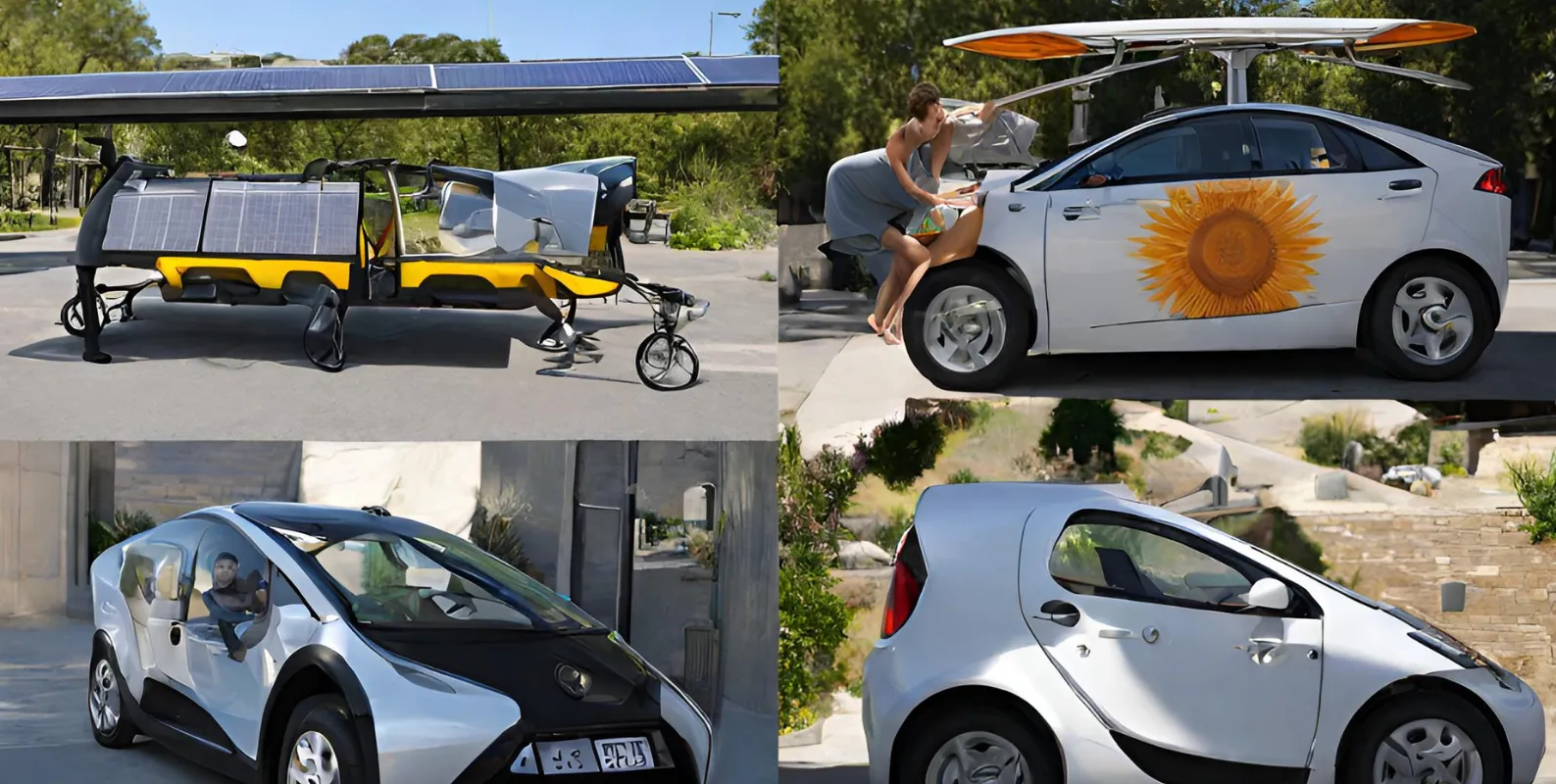
Several companies and research institutions are at the forefront of solar-powered car innovation. Examples include:
- Solar Team Eindhoven: The Dutch solar car team has won multiple World Solar Challenges with their Stella and Stella Lux solar-powered vehicles.
- Lightyear: A Dutch startup developing the Lightyear One, a solar-powered electric car with a range of up to 725 kilometers (450 miles) on a single charge.
- Toyota: The Japanese automaker has experimented with solar panels on its Prius hybrid model, exploring ways to harness solar energy to supplement battery power.
B. Real-World Applications and Use Cases
Solar-powered cars have been deployed in various real-world applications, including:
- Solar racing competitions: Events like the World Solar Challenge showcase the capabilities of solar powered cars in long-distance racing and promote innovation in solar vehicle design.
- Sustainable transportation initiatives: Governments and organizations worldwide are incorporating solar-powered vehicles into their fleets as part of efforts to reduce carbon emissions and promote clean energy.
C. Lessons Learned and Best Practices
From these case studies, valuable lessons can be learned about the design, engineering, and implementation of solar-powered cars. Collaboration between academia, industry, and government is essential for driving innovation and overcoming technical challenges. Additionally, fostering a culture of experimentation and risk-taking encourages new ideas and breakthroughs in solar vehicle technology.
X. Collaboration and Partnerships
Collaboration and partnerships are instrumental in advancing the development and adoption of solar-powered cars.
A. Industry Collaboration for Innovation
Collaboration between automakers, technology companies, and research institutions accelerates innovation in solar-powered car technology. By pooling resources, expertise, and intellectual property, partners can overcome technical barriers and bring innovative products to market faster.
B. Cross-Sector Partnerships
Cross-sector partnerships between automotive manufacturers, energy providers, and infrastructure developers are essential for building the necessary ecosystem to support solar-powered cars. Collaboration on charging infrastructure, grid integration, and energy storage solutions ensures that solar-powered vehicles are practical and convenient for consumers.
C. Role of Government, NGOs, and Academia
Government agencies, non-governmental organizations (NGOs), andacademic institutions play critical roles in supporting the development and adoption of solar-powered cars.
A. Government Support and Funding
Governments provide funding, incentives, and regulatory support to spur innovation in solar-powered car technology. Grants, tax credits, and research subsidies encourage investment in research and development, while regulatory frameworks establish standards and guidelines for safety, performance, and environmental sustainability.
B. NGO Advocacy and Awareness
Non-governmental organizations (NGOs) play a vital role in advocating for policies that promote sustainable transportation and renewable energy. Through public awareness campaigns, education initiatives, and grassroots activism, NGOs raise awareness about the benefits of solar-powered cars and mobilize support for clean transportation solutions.
C. Academic Research and Collaboration
Academic institutions contribute to the advancement of solar-powered car technology through research, education, and collaboration. Faculty and students engage in interdisciplinary research projects, exploring new materials, design concepts, and manufacturing techniques to improve the efficiency and performance of solar-powered vehicles.
XI. Addressing Doubts and Misconceptions
Despite the potential benefits of solar-powered cars, skepticism and misconceptions persist regarding their feasibility and practicality.
A. Debunking Myths about Solar-Powered Cars
Common myths and misconceptions about solar-powered cars include:
- Limited Range: Many people believe that solar powered cars have limited range and are only suitable for short trips. However, advances in technology have extended the range of solar-powered vehicles, making them viable for everyday use.
- Dependence on Sunlight: Some skeptics argue that solar-powered cars are impractical in regions with limited sunlight or inclement weather. While solar energy production may be lower in cloudy or rainy conditions, solar-powered cars can still operate using stored energy from batteries.
- High Costs: There is a misconception that solar-powered cars are prohibitively expensive and inaccessible to the average consumer. While initial purchase prices may be higher than traditional vehicles, lower operating costs and long-term savings on fuel can offset the upfront investment.
B. Clarifying Practicality and Viability
In reality, solar-powered cars offer a practical and viable solution for sustainable transportation. While they may not completely replace conventional vehicles overnight, solar-powered cars can complement existing transportation infrastructure and help reduce carbon emissions and dependence on fossil fuels.
XII. Global Impact and Sustainability
The widespread adoption of solar-powered cars has the potential to have a significant impact on global sustainability efforts.
A. Addressing Climate Change
Solar-powered cars play a crucial role in mitigating climate change by reducing greenhouse gas emissions from transportation. By transitioning to clean, renewable energy sources, we can minimize the environmental impact of transportation and contribute to global efforts to limit global warming and its adverse effects.
B. Reducing Dependence on Fossil Fuels
Solar-powered cars reduce our dependence on finite fossil fuels, which are a major contributor to air pollution, environmental degradation, and geopolitical conflicts. By harnessing the power of the sun, we can create a more sustainable and resilient energy system that is less vulnerable to supply disruptions and price fluctuations.
C. Promoting Sustainable Transportation Solutions
Embracing solar-powered cars is part of a broader shift towards sustainable transportation solutions. By investing in renewable energy infrastructure, improving public transportation, and promoting active modes of transportation such as walking and cycling, we can create healthier, more livable cities and communities for future generations.
XIII. Ethical and Social Considerations
The adoption of solar-powered cars raises ethical and social considerations that must be addressed to ensure equitable and sustainable outcomes.
A. Accessibility and Equity
One concern is the accessibility and equity of solar-powered cars. While these vehicles offer environmental benefits, they may not be accessible or affordable to all communities, particularly low-income and marginalized populations. Efforts to promote equity in transportation should prioritize access to clean energy technologies for all members of society.
B. Social Acceptance and Cultural Factors
Social acceptance and cultural factors also influence the adoption of solar powered cars. Public attitudes towards renewable energy, technology, and transportation play a significant role in shaping consumer preferences and market demand. Educating the public, addressing misconceptions, and fostering positive attitudes towards solar energy are essential for overcoming barriers to adoption.
C. Ethical Implications of Solar Energy Transition
The transition to solar-powered cars raises ethical questions about resource allocation, environmental justice, and global equity. As we shift towards renewable energy sources, we must consider the social and environmental impacts of solar panel production, battery manufacturing, and end-of-life disposal. Responsible stewardship of resources and consideration of ethical principles such as fairness, transparency, and accountability are essential for navigating the ethical complexities of the solar energy transition.
XIV. Conclusion
Solar-powered cars represent a promising solution for sustainable transportation, offering a clean, renewable alternative to conventional vehicles. While significant challenges remain, ongoing advancements in technology, government support, and public awareness are driving progress towards a future where solar powered cars are commonplace on roads around the world. By embracing solar energy and sustainable transportation solutions, we can build a cleaner, greener, and more resilient future for generations to come.
XV. References and Additional Resources
For further reading on solar-powered cars and sustainable transportation, consider exploring the following resources:
- Solar Team Eindhoven
- Lightyear One
- Toyota Prius Solar Panel
Important Links:
Car Culture Revolution: 5 Ways Video Games Shape Auto Design
Cars in Cinema: Illuminating the Dynamic Influence of Movies on Car Culture
Exploring the World of Microcars: A Solution for Urban Congestion?