Introduction
With urban congestion on the rise globally, the need for innovative solutions has never been more pressing. In this exploration, we delve into the potential of microcars as a promising remedy for the challenges posed by congested city streets.
Brief on increasing urban congestion:
Urban areas worldwide are experiencing escalating levels of congestion, leading to prolonged commute times, environmental pollution, and decreased quality of life for residents.
Microcars as a potential solution:
Microcars, with their compact size and efficient design, offer a promising solution to urban congestion. By navigating narrow city streets and occupying minimal space, microcar have the potential to alleviate traffic congestion and improve overall urban mobility.

Understanding Microcars
Microcars, with their compact size and efficient design, have emerged as a potential solution to the growing problem of urban congestion. In this section, we delve into the definition, key features, and a brief history of microcar to gain a better understanding of their role in addressing urban congestion.
Definition and Key Features:
Microcars are small, lightweight vehicles designed primarily for urban transportation. These vehicles typically have a compact footprint, making them ideal for navigating crowded city streets and tight parking spaces.
Key features of microcars include:
Compact Size:
Microcars are significantly smaller than traditional vehicles, allowing them to maneuver easily through congested traffic and narrow city streets.
Fuel Efficiency:
With smaller engines and reduced weight, microcars consume less fuel compared to larger vehicles, resulting in lower emissions and reduced environmental impact.
Maneuverability:
Microcars offer excellent maneuverability, allowing drivers to navigate through congested urban environments with ease and agility.
Affordability:
Microcars are often more affordable than larger vehicles, making them accessible to a broader range of consumers, especially those living in densely populated urban areas.
Brief History of Microcars:
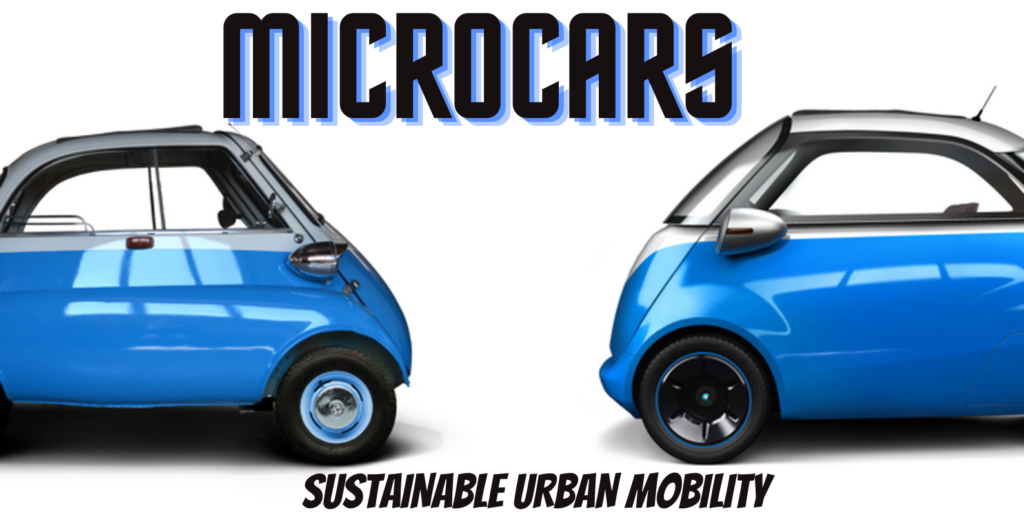
The concept of microcars dates back to the early 20th century when automobile manufacturers began producing small, economical vehicles to meet the transportation needs of urban populations. One of the earliest examples of microcar is the “bubble car” popularized in post-war Europe, such as the Messerschmitt KR200 and the BMW Isetta. These vehicles were designed to provide affordable and efficient transportation in densely populated urban areas.

Over the years, microcar have evolved in design and technology, incorporating advancements such as electric powertrains and smart connectivity features. Today, microcar continue to play a vital role in urban mobility, offering a practical and sustainable solution to urban congestion.
By understanding the definition, key features, and historical context of microcars, we gain valuable insights into their potential as a solution for urban congestion. In the following sections, we will further explore the impact of microcar on urban congestion and the challenges and opportunities associated with their integration into urban transportation systems.
Why Microcars?
Microcars offer a promising solution to the challenges of urban congestion due to their unique features and advantages. Let’s delve into why microcar are gaining traction as a viable option for urban transportation:
Ease of Parking:
Microcars, with their compact size, are well-suited for navigating tight urban spaces and fitting into small parking spots that larger vehicles may struggle with. This ease of parking reduces traffic congestion and makes urban driving less stressful for motorists.
Low Fuel Consumption:
Microcars are designed to be fuel-efficient, typically featuring smaller engines and lightweight construction. As a result, they consume less fuel compared to larger vehicles, reducing both fuel costs for drivers and overall carbon emissions, contributing to a cleaner and greener urban environment.
Affordable Prices:
One of the key attractions of microcars is their affordability. With lower manufacturing costs and reduced materials required for production, microcar are often priced more competitively than conventional vehicles. This affordability makes them accessible to a wider range of consumers, including those living in urban areas with limited budgets.
Less Environmental Impact:
Microcars have a smaller environmental footprint compared to larger vehicles. Their reduced fuel consumption translates to lower greenhouse gas emissions, helping to mitigate air pollution and combat climate change. Additionally, their compact size means they occupy less space on the road and in parking lots, further reducing environmental impact.
In essence, microcar offer a holistic solution to urban congestion by addressing key factors such as parking challenges, fuel efficiency, affordability, and environmental sustainability. As cities continue to grapple with the impacts of population growth and increasing traffic congestion, microcar present a practical and sustainable transportation option that can help alleviate urban congestion and create more livable and sustainable urban environments.
Challenges Facing Microcars
As promising as microcars are in addressing urban congestion, they are not without their challenges. Let’s explore some of the key obstacles that micro-cars face in gaining widespread acceptance and adoption:
Safety Concerns:
One of the primary challenges facing microcars is safety. Due to their small size and lightweight construction, microcar may offer less crash protection compared to larger vehicles, raising concerns about occupant safety in the event of a collision. Additionally, their smaller stature may make them less visible to other motorists, increasing the risk of accidents, particularly in busy urban environments.

Limited Space for Passengers and Cargo:
Another challenge associated with microcars is their limited interior space. While their compact size is advantageous for navigating narrow city streets and parking in tight spaces, it also means that micro-cars have limited seating and cargo capacity. This can be a drawback for families or individuals requiring ample space for passengers or luggage, potentially limiting the appeal of microcar as a practical transportation option for certain demographics.
Range and Speed Limitations:
Microcars, particularly those powered by electric motors, may face limitations in terms of range and speed. Electric micro-cars, in particular, may have shorter driving ranges compared to traditional gasoline-powered vehicles, requiring more frequent recharging and potentially limiting their usefulness for longer commutes or extended journeys. Additionally, microcar may have lower top speeds compared to larger vehicles, which could impact their ability to keep up with traffic flow on highways or major thoroughfares.
Despite these challenges, advancements in technology and design are continually addressing these limitations, making micro-cars increasingly viable as a solution for urban congestion. For example, improvements in safety features, such as advanced driver assistance systems and reinforced chassis structures, can enhance the crashworthiness of microcar and improve occupant protection. Likewise, innovations in battery technology and vehicle design are extending the range and improving the performance of electric microcar, making them more practical for everyday use.
By addressing these challenges and capitalizing on the unique advantages of microcar, such as their compact size, fuel efficiency, and maneuverability, we can unlock their full potential as a solution for urban congestion. With ongoing innovation and investment in microcar technology, we can create safer, more efficient, and more sustainable urban transportation systems that benefit all residents.
Microcars in Action: Case Studies
In this section, we’ll examine real-world examples of micro-cars being used to address urban congestion in various regions across the globe.
Use in European Cities:
European cities have been at the forefront of embracing microcars as a solution for urban congestion. Cities like Paris, Rome, and Barcelona have implemented initiatives to promote the use of micro-cars as part of their broader efforts to create more sustainable and livable urban environments. For example, Paris has introduced incentives for electric vehicle owners, including microcar owners, such as free parking and access to restricted traffic zones. Additionally, car-sharing services offering microcar have gained popularity in cities like Berlin and Amsterdam, providing residents with convenient and eco-friendly transportation options.
Adoption in Asia:
In Asia, microcars have also gained traction as a practical solution for urban congestion. Countries like Japan and South Korea, known for their densely populated cities, have embraced micro-cars as a means of navigating narrow streets and reducing traffic congestion. In Tokyo, microcar are a common sight, with their compact size and maneuverability making them well-suited for navigating the city’s crowded streets and limited parking spaces. Similarly, in South Korea, microcar are popular among urban dwellers for their affordability and fuel efficiency, offering a convenient alternative to larger vehicles in congested urban environments.
Emerging Market in North America:
While microcars have been slower to gain widespread adoption in North America compared to other regions, there is growing interest in these vehicles as a solution for urban congestion. Cities like New York and San Francisco, known for their traffic congestion and limited parking, are exploring ways to incentivize the use of micro-cars through initiatives such as car-sharing programs and dedicated parking spaces. Additionally, electric microcar are gaining popularity in cities like Los Angeles and Seattle, where environmental concerns and a desire for sustainable transportation options are driving demand for smaller, more fuel-efficient vehicles.
These case studies demonstrate the versatility and effectiveness of micro-cars as a solution for urban congestion. Whether in European cities, Asian metropolises, or emerging markets in North America, microcar offer a practical and sustainable transportation option that can help alleviate traffic congestion, reduce carbon emissions, and create more livable urban environments for residents. As cities continue to grow and evolve, microcar will play an increasingly important role in shaping the future of urban mobility.
Technology and Microcars
In this section, I’ll explore the role of technology in enhancing micro-cars and their effectiveness in addressing urban congestion.
Electric Microcars:
Electric microcars are gaining popularity as environmentally-friendly alternatives to traditional gasoline-powered vehicles. These vehicles are powered by electric motors and batteries, producing zero tailpipe emissions and reducing the carbon footprint associated with urban transportation. With advancements in battery technology, electric microcar are offering longer driving ranges and faster charging times, making them increasingly practical for everyday use in congested urban environments. Companies like Smart and Renault are leading the way in producing electric microcar, offering consumers a sustainable transportation option without compromising on performance or convenience.
Smart Features for Navigation and Safety:
Microcars are incorporating smart features to improve navigation and safety for drivers and passengers. GPS navigation systems, for example, help drivers navigate through congested city streets more efficiently, providing real-time traffic updates and alternative routes to avoid congestion hotspots. Additionally, advanced driver assistance systems (ADAS) such as lane-keeping assist and automatic emergency braking enhance safety by alerting drivers to potential hazards and assisting with vehicle control in emergency situations. These smart features not only make driving microcar safer but also contribute to reducing accidents and traffic congestion in urban areas.
Innovations Increasing Performance:
Innovations in vehicle design and engineering are increasing the performance of microcar, making them more capable and versatile in urban environments. Lightweight materials such as carbon fiber and aluminum are being used to reduce the weight of microcar, improving acceleration and handling without compromising safety. Moreover, advancements in aerodynamics are enhancing fuel efficiency and reducing drag, allowing microcars to travel farther on a single charge or tank of fuel. Additionally, improvements in suspension systems and chassis design are enhancing ride comfort and stability, making microcar a more enjoyable and practical option for urban commuters.
By leveraging these technological advancements, microcar are becoming more than just a solution for urban congestion—they’re transforming the way we think about urban transportation. With electric powertrains, smart features for navigation and safety, and innovations increasing performance, micro-cars offer a practical and sustainable alternative to traditional vehicles in congested urban environments. As technology continues to evolve, so too will the role of microcar in shaping the future of urban mobility, creating cleaner, greener, and more efficient cities for generations to come.
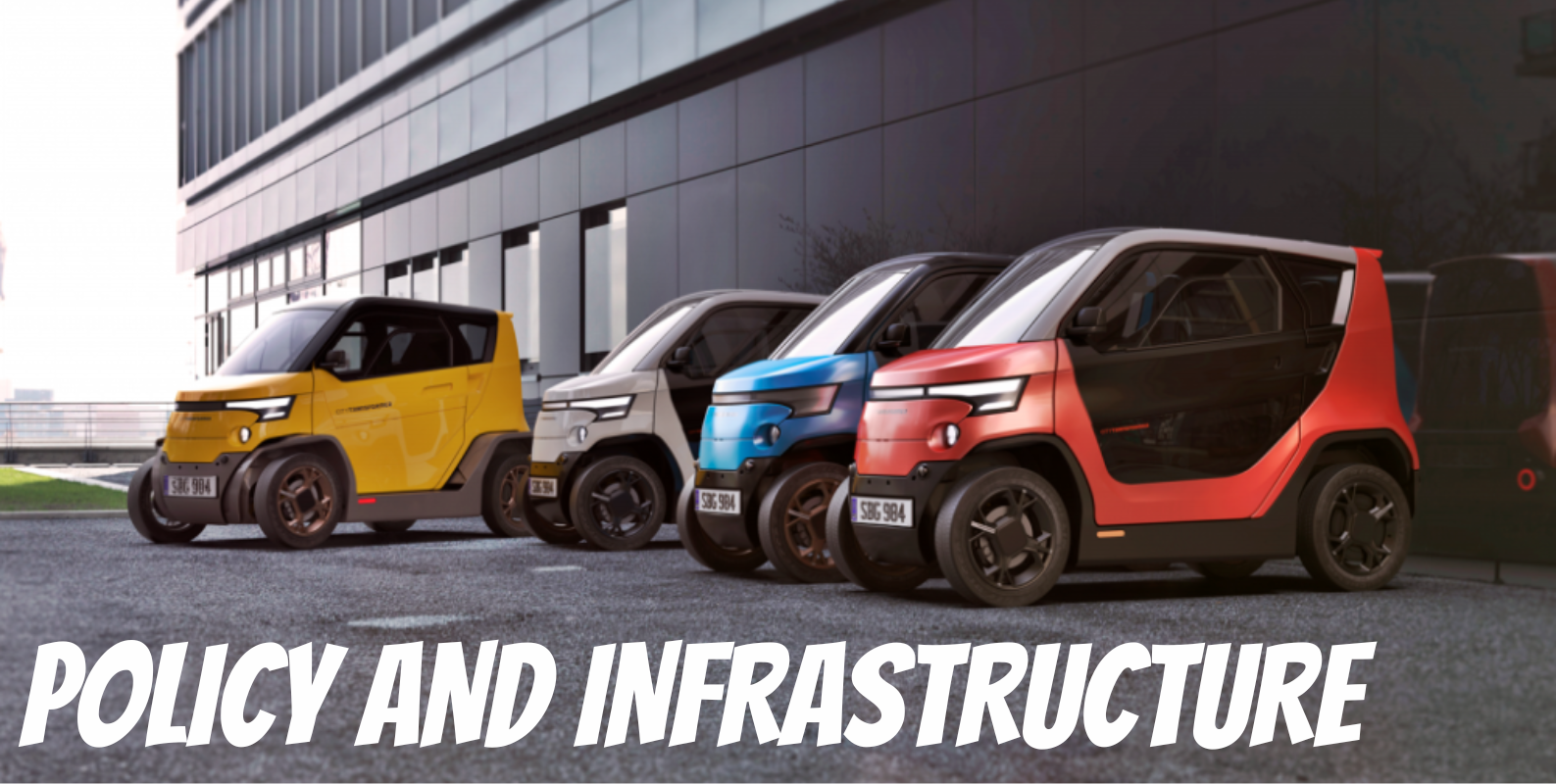
In this section, I’ll delve into the importance of policy and infrastructure in supporting the integration of microcars as a solution for urban congestion.
Government Incentives for Microcar Buyers:
Governments around the world are implementing incentives to encourage the adoption of microcars. These incentives may include tax credits, rebates, and subsidies for purchasing microcar, as well as reduced registration fees and toll discounts for microcar owners. By providing financial incentives, governments can make microcar more affordable and attractive to consumers, thereby promoting their use as a sustainable transportation option in congested urban areas.
Urban Planning for Microcar Friendliness:
Urban planners play a crucial role in designing cities and transportation systems that accommodate micro-cars. This includes creating designated parking spaces for microcar, implementing infrastructure such as charging stations for electric microcar, and designing roads and streets with narrow lanes and tight turns to accommodate microcar traffic. By incorporating microcar-friendly features into urban planning efforts, cities can create environments that are conducive to the use of microcar and promote their integration into the transportation network.
Legal Regulations Affecting Use:
Legal regulations can significantly impact the use of microcar on public roads. These regulations may include safety standards, emissions requirements, and licensing regulations specific to micro-cars. For example, some jurisdictions may require microcar drivers to obtain a special license or undergo additional training to operate these vehicles safely. Additionally, regulations governing vehicle size, weight, and performance may affect the design and manufacturing of microcar to ensure compliance with legal requirements. By establishing clear and consistent regulations, policymakers can create a regulatory framework that promotes the safe and efficient use of microcar on public roads.
Policy and infrastructure play a critical role in supporting the integration of microcar as a solution for urban congestion. By implementing incentives for microcar buyers, planning cities with microcar-friendly features, and establishing clear legal regulations, governments can create an environment that fosters the widespread adoption of microcar as a sustainable transportation option. As cities continue to grow and evolve, it is essential to prioritize policies and infrastructure investments that support the use of microcar and contribute to the development of cleaner, greener, and more efficient urban transportation systems.
The Future of Urban Travel with Micro-cars
As we look ahead, the future of urban travel holds exciting possibilities with microcar at the forefront of innovation and sustainable mobility solutions.
Predictions for Microcar Popularity:
It is anticipated that microcars will continue to gain popularity as urban congestion worsens and environmental concerns grow. With their compact size, fuel efficiency, and maneuverability, microcar offer a practical and sustainable transportation option for navigating crowded city streets and reducing traffic congestion. As awareness of their benefits increases and technology advances, we can expect to see a growing number of microcar on the roads, particularly in densely populated urban areas where congestion is most acute.
Potential Changes in City Landscapes:
The widespread adoption of microcar is likely to bring about significant changes in city landscapes. With fewer traditional vehicles clogging the streets, cities may see reduced traffic congestion, shorter commute times, and improved air quality. Additionally, the need for large parking lots and garages may diminish as microcar take up less space for parking, allowing for the repurposing of land for green spaces, pedestrian walkways, and other urban amenities. This transformation of city landscapes has the potential to create more livable, sustainable, and vibrant urban environments for residents and visitors alike.
The Role of Microcars in Sustainable Urban Mobility:
Microcars are poised to play a crucial role in sustainable urban mobility strategies. By offering a practical and environmentally-friendly alternative to traditional vehicles, microcar can help cities reduce their carbon footprint, mitigate traffic congestion, and improve overall quality of life for residents. Moreover, when combined with public transit, cycling, and walking, microcar contribute to a multimodal transportation system that offers residents a range of transportation options to suit their needs and preferences. As cities continue to prioritize sustainability and resilience, microcar will play an integral part in shaping the future of urban mobility.
In conclusion, the future of urban travel with microcar holds promise for addressing the challenges of urban congestion and creating more sustainable, livable cities. With their compact size, fuel efficiency, and maneuverability, microcar offer a practical solution to the growing problem of traffic congestion while reducing carbon emissions and improving air quality. As cities embrace microcar as a key component of their transportation strategies, we can expect to see a shift towards cleaner, greener, and more efficient urban mobility systems that benefit everyone.
Conclusion
In conclusion, the exploration of microcar as a solution for urban congestion reveals their immense potential to transform urban transportation systems and create more sustainable and livable cities.
Recap of Microcars’ Advantages for Urban Travel:
Throughout this exploration, we’ve uncovered the numerous advantages that micro-cars offer for urban travel:
Compact Size:
Microcars’ small footprint allows them to navigate narrow city streets and fit into tight parking spaces, reducing congestion and easing traffic flow.
Fuel Efficiency:
With their lightweight construction and efficient engines, microcar consume less fuel compared to larger vehicles, resulting in lower emissions and reduced environmental impact.
Maneuverability:
Micro-cars’ agility and maneuverability make them well-suited for navigating congested urban environments, allowing drivers to weave through traffic and reach their destinations more quickly.
Affordability:
Microcar are often more affordable than larger vehicles, making them accessible to a wider range of consumers, including those living in urban areas with limited budgets.
Call to Action for Embracing Microcars in Cities:
As cities continue to grapple with the challenges of urban congestion, there is a clear need to embrace microcar as part of a comprehensive strategy for sustainable urban mobility. Policymakers, urban planners, and industry stakeholders must work together to create an environment that supports the widespread adoption of microcar, including:
- Implementing incentives for microcar buyers, such as tax credits and subsidies, to make them more affordable and attractive to consumers.
- Investing in infrastructure that accommodates microcar, such as designated parking spaces, charging stations for electric microcar, and microcar-friendly road designs.
- Establishing clear and consistent regulations governing the use of micro-cars on public roads, ensuring their safety and compatibility with existing transportation systems.
By embracing micro-cars as a solution for urban congestion, cities can reduce traffic congestion, improve air quality, and create more livable and sustainable urban environments for residents. It’s time to rethink urban transportation and embrace the potential of microcar to shape the future of urban mobility.
Together, we can unlock the full potential of microcar and create cleaner, greener, and more efficient cities for generations to come. Let’s drive towards a brighter future with microcars leading the way.
Important Links
7 Key Insights into the Cryptocurrency Stock Market Revolution: Navigating Risks and Rewards
5 Surprising Benefits of Upcycling Old Cars You Need to Know
HP ZBook Power G10: Elevate Your Performance with Unrivalled Power