5 Surprising Benefits of Upcycling Old Cars You Need to Know
| Heading | Subheading |
Introduction to Upcycling Old Cars |
A Brief Definition of Upcycling |
| Transition to Upcycling in Automotive Industry | |
Environmental Impact |
Reducing Carbon Footprint |
| Minimizing Resource Depletion | |
Economic Benefits |
Cost Savings for Owners |
| Creating Revenue Streams | |
Creative Expression |
Customization Opportunities |
| Artistic Ventures | |
Preservation of Heritage |
Retaining Automotive History |
| Salvaging Classic Components | |
Community Engagement |
Fostering Local Collaboration |
| Educational Outreach Efforts | |
Upcycling Technologies |
Advanced Restoration Techniques |
| Integration of Sustainable Materials | |
Addressing Safety Concerns |
Ensuring Roadworthiness |
| Compliance with Regulations | |
Overcoming Challenges |
Accessibility to Resources |
| Skilled Labor Shortage | |
Case Studies |
Highlighting Successful Upcycling Projects |
| Analyzing Their Impact | |
Future Prospects |
Innovations in Upcycling Practices |
| Potential Growth Areas | |
Social Media Influence |
Promoting Upcycling Culture |
| Inspiring DIY Enthusiasts | |
Global Implications |
International Upcycling Initiatives |
| Cross-cultural Perspectives | |
Conclusion |
Recap of Benefits |
| Encouragement for Upcycling Adoption | |
Call to Action |
Encouraging Readers to Explore Upcycling Opportunities |
| Promoting Sustainable Automotive Practices |
Introduction to Benefits of Upcycling Old Cars
In recent years, upcycling has emerged as a powerful tool in sustainability efforts across various industries. From fashion to furniture, the concept of repurposing and refurbishing old items has gained traction. In the automotive sector, upcycling old cars presents a unique set of benefits that often go unnoticed. In this article, we’ll delve into five surprising benefits of upcycling old cars that every enthusiast and eco-conscious individual should know.
Environmental Impact
Reducing Carbon Footprint
Upcycling old cars significantly reduces the carbon footprint associated with manufacturing new vehicles. The automotive industry is notorious for its carbon emissions, both in the production process and through vehicle usage. By refurbishing and repurposing old cars, we can mitigate the environmental impact of manufacturing, thereby contributing to a greener future.
Minimizing Resource Depletion
Moreover, upcycling conserves valuable resources by extending the lifespan of existing materials. Many components in older vehicles, such as engines, transmissions, and body panels, can be refurbished and reused, reducing the demand for new raw materials. This approach aligns with the principles of a circular economy, where resources are kept in use for as long as possible, thus minimizing waste and environmental degradation.
Benefits of Upcycling Old Cars: Economic Benefits
Cost Savings for Owners
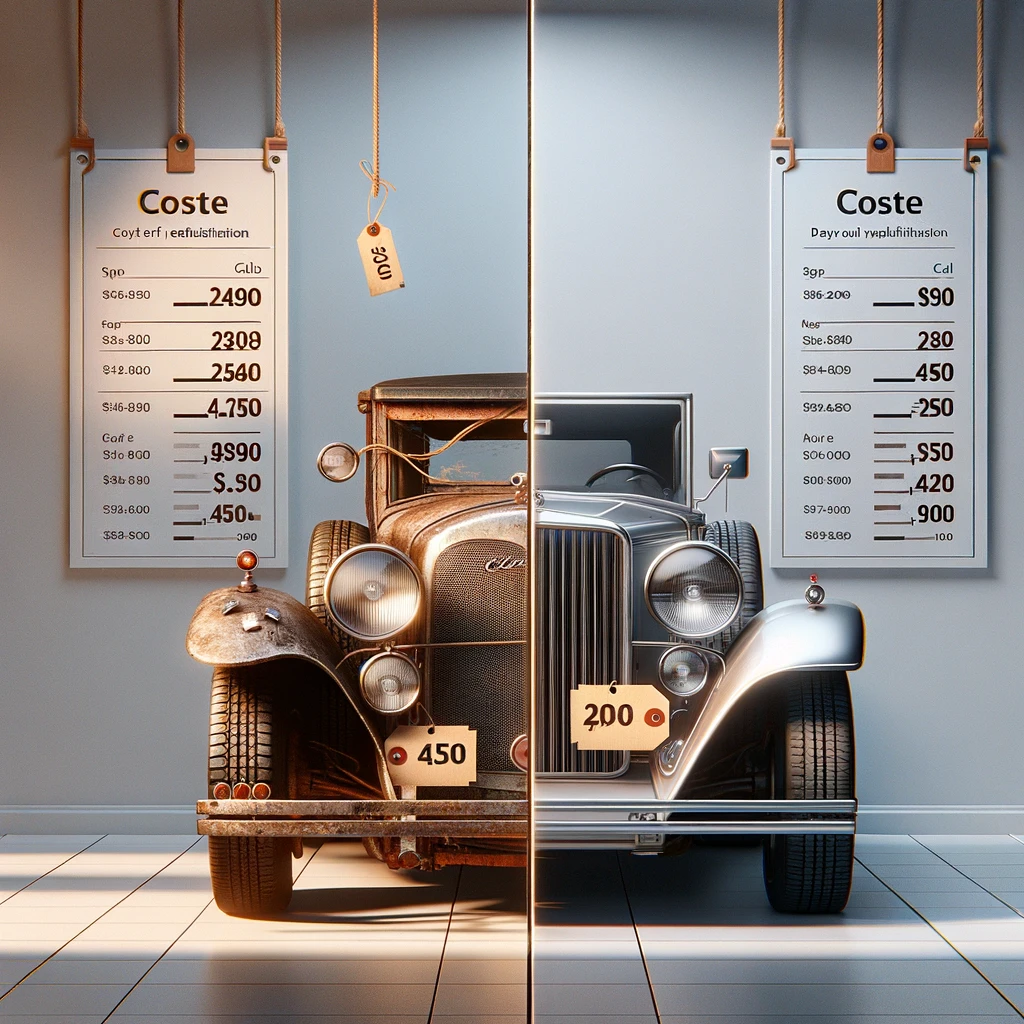
One of the most significant benefits of upcycling old cars is the cost savings it offers to owners. Purchasing a brand-new vehicle often comes with a hefty price tag, including depreciation, taxes, and insurance. In contrast, upcycling allows car owners to breathe new life into their existing vehicles at a fraction of the cost, making automotive enthusiasts rejoice while keeping their wallets intact.
Creating Revenue Streams
Furthermore, upcycling old cars presents lucrative opportunities for entrepreneurs and small businesses. From restoration workshops to online marketplaces specializing in vintage car parts, the upcycling industry fosters innovation and entrepreneurship. By tapping into this market, individuals can not only generate revenue but also contribute to sustainable economic development.
Creative Expression
Customization Opportunities
Upcycling old cars provides a canvas for creative expression and customization. Unlike mass-produced vehicles, which often lack personality and character, upcycled cars reflect the unique tastes and preferences of their owners. Whether it’s a vintage restoration project or a modern retrofitting endeavor, upcycling empowers individuals to transform their vehicles into one-of-a-kind masterpieces.
Artistic Ventures
Moreover, upcycling old cars blurs the lines between art and automotive engineering. Many upcycled vehicles serve as mobile works of art, showcasing intricate designs, paintwork, and craftsmanship. Artists and designers collaborate with automotive experts to push the boundaries of creativity, resulting in awe-inspiring creations that captivate audiences worldwide.
Preservation of Heritage
Retaining Automotive History
Upcycling old cars plays a crucial role in preserving automotive heritage and culture. Classic cars represent a bygone era of automotive design and craftsmanship, each telling a unique story of innovation and ingenuity. By upcycling these vehicles, we ensure that future generations can appreciate and experience the rich history of automotive engineering.
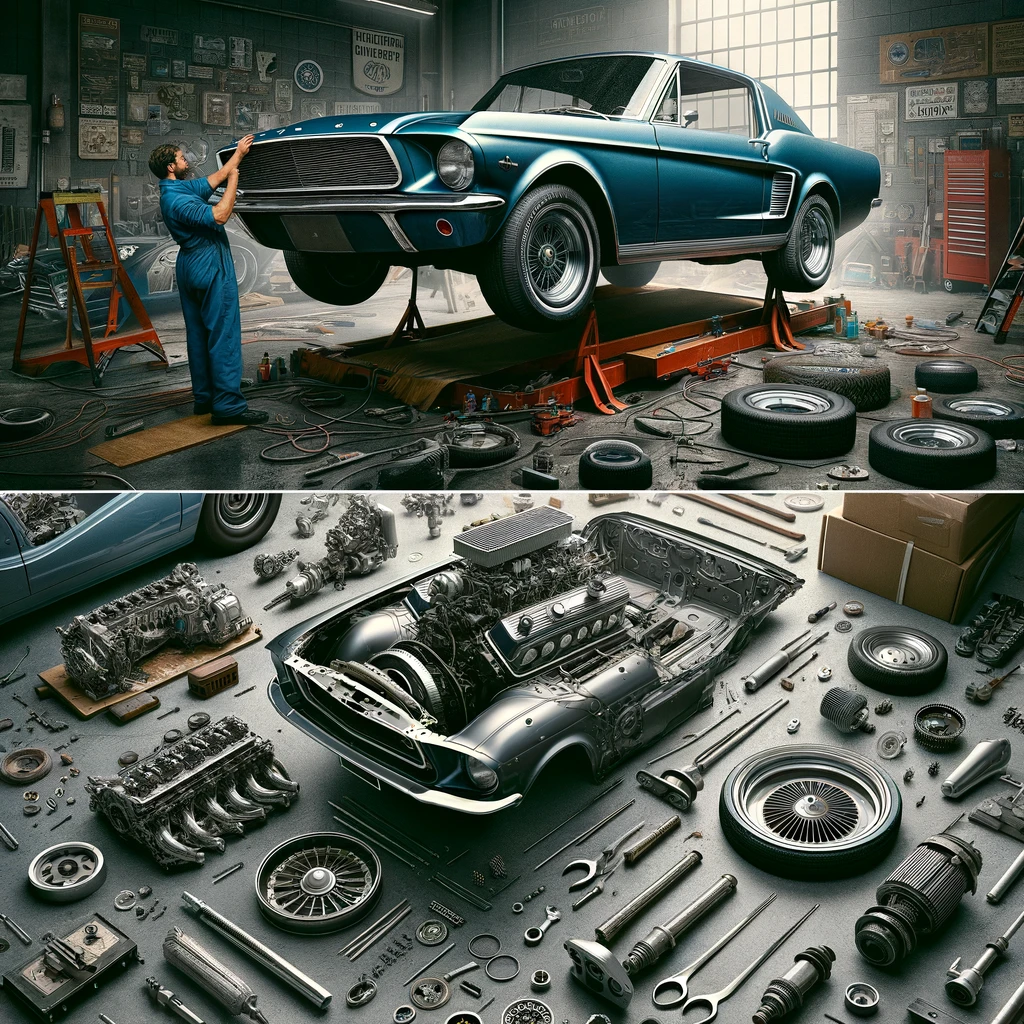
Salvaging Classic Components
Additionally, upcycling old cars allows for the salvaging of rare and valuable components. Many vintage vehicles contain parts that are no longer in production, making them highly sought after by collectors and enthusiasts. Through upcycling efforts, these components can be restored to their former glory, preserving their historical significance and cultural value.
Community Engagement
Fostering Local Collaboration
Upcycling old cars fosters a sense of community and collaboration among enthusiasts, craftsmen, and businesses. Restoration projects often involve partnerships between automotive workshops, parts suppliers, and local artisans, creating a network of support and camaraderie. This collaborative spirit not only enhances the quality of upcycled cars but also strengthens ties within the community.
Educational Outreach Efforts
Furthermore, upcycling old cars provides valuable educational opportunities for aspiring engineers and enthusiasts. Restoration workshops and DIY projects offer hands-on experience in automotive mechanics, craftsmanship, and design. By engaging with upcycling initiatives, individuals can develop practical skills while learning about sustainable practices and environmental stewardship.
Upcycling Technologies
Advanced Restoration Techniques
Advancements in technology have revolutionized the field of automotive upcycling, enabling more efficient and precise restoration processes. From 3D printing of replacement parts to computer-aided design (CAD) software for customization, upcycling technologies empower enthusiasts to tackle complex projects with ease. These tools streamline the restoration process while ensuring the highest standards of quality and craftsmanship.
Integration of Sustainable Materials
Moreover, upcycling old cars involves the integration of sustainable materials and practices into the restoration process. From eco-friendly paints to recycled upholstery materials, upcycled vehicles can showcase the latest innovations in sustainable automotive design. By prioritizing environmental considerations, upcycling enthusiasts pave the way for a greener and more sustainable future.
Addressing Safety Concerns
Ensuring Roadworthiness
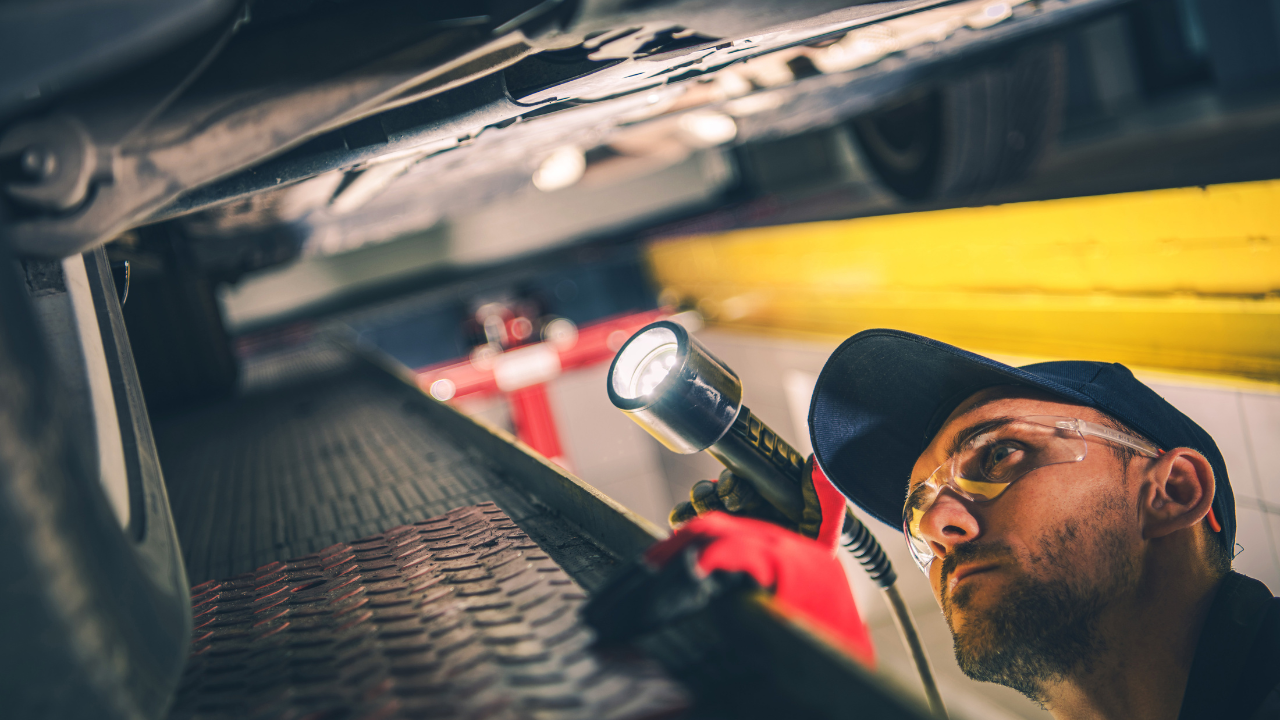
Safety is paramount when upcycling old cars, as neglected vehicles may pose risks to both drivers and pedestrians. Prior to restoration, thorough inspections and assessments are conducted to identify any structural or mechanical issues. By adhering to safety standards and regulations, upcycling professionals ensure that refurbished vehicles are roadworthy and reliable.
Compliance with Regulations
Additionally, upcycling old cars involves compliance with environmental regulations and emissions standards. Modifications and upgrades must adhere to legal requirements to ensure that upcycled vehicles meet regulatory guidelines. By prioritizing compliance, upcycling enthusiasts demonstrate their commitment to responsible automotive practices and environmental stewardship.
Overcoming Challenges
Accessibility to Resources
One of the challenges of upcycling old cars is the accessibility to resources, including parts, tools, and expertise. Vintage vehicles may require specialized components that are no longer in production, making them difficult to source. However, with the rise of online marketplaces and specialty suppliers, enthusiasts have greater access to rare and hard-to-find parts than ever before.
Skilled Labor Shortage
Furthermore, upcycling old cars relies on skilled labor and expertise in automotive restoration. However, there is a growing shortage of skilled craftsmen and technicians in the industry, posing challenges for restoration projects. To address this issue, educational initiatives and apprenticeship programs are being implemented to train the next generation of upcycling professionals.
Case Studies
Highlighting Successful Upcycling Projects
Several notable upcycling projects serve as inspiring examples of the potential benefits of refurbishing old cars. From classic car restorations to electric vehicle conversions, these projects demonstrate the versatility and creativity of upcycling enthusiasts. By showcasing successful case studies, we can inspire others to embark on their own upcycling journeys.
Analyzing Their Impact
Furthermore, analyzing the impact of upcycling projects provides valuable insights into the benefits and challenges of sustainable automotive practices. By studying factors such as environmental impact, economic viability, and community engagement, we can identify opportunities for improvement and innovation in the field of automotive upcycling.
Future Prospects
Innovations in Upcycling Practices
Looking ahead, the future of upcycling old cars is filled with promise and potential. Advances in technology, materials science, and design are driving innovation in the field, opening up new possibilities for sustainable automotive practices. From modular vehicle platforms to zero-waste manufacturing processes, the automotive industry is undergoing a paradigm shift towards a more circular and sustainable future.
Potential Growth Areas
Moreover, there are several potential growth areas within the upcycling industry that warrant exploration. From niche markets such as vintage electric conversions to mainstream adoption of upcycled vehicles, the opportunities are endless. By embracing innovation and collaboration, we can unlock the full potential of upcycling old cars as a sustainable solution to transportation challenges.
Social Media Influence
Promoting Upcycling Culture
Social media platforms play a pivotal role in promoting upcycling culture and inspiring individuals to participate in sustainable practices. From Instagram showcases to YouTube tutorials, enthusiasts share their upcycling projects and experiences with a global audience, sparking interest and engagement. By leveraging the power of social media, we can amplify the message of sustainability and encourage widespread adoption of upcycling practices.
Inspiring DIY Enthusiasts
Furthermore, upcycling old cars appeals to DIY enthusiasts who seek hands-on projects and creative challenges. Online communities and forums provide a platform for enthusiasts to exchange ideas, share resources, and collaborate on projects. By empowering DIY enthusiasts to embrace upcycling, we can foster a culture of creativity, innovation, and environmental responsibility.
Global Implications
International Upcycling Initiatives
The benefits of upcycling old cars extend beyond individual projects to global initiatives that promote sustainability and environmental stewardship. From government incentives to corporate sustainability programs, there is growing recognition of the importance of upcycling in mitigating climate change and preserving natural resources. By aligning policies and priorities at the international level, we can amplify the impact of upcycling efforts and pave the way for a more sustainable future.
Cross-cultural Perspectives
Moreover, upcycling old cars offers an opportunity to explore cross-cultural perspectives on sustainability and innovation. Different regions and communities may have unique approaches to upcycling, influenced by cultural traditions, economic factors, and environmental priorities. By sharing knowledge and best practices across borders, we can enrich the global dialogue on sustainable automotive practices and foster collaboration on a global scale.
Conclusion
In conclusion, upcycling old cars offers a myriad of surprising benefits that extend far beyond environmental conservation. From economic savings to creative expression, preservation of heritage, community engagement, and beyond, upcycling embodies the principles of sustainability, innovation, and stewardship. By embracing upcycling practices and promoting a culture of reuse and refurbishment, we can pave the way for a more sustainable and resilient automotive industry.
Call to Action
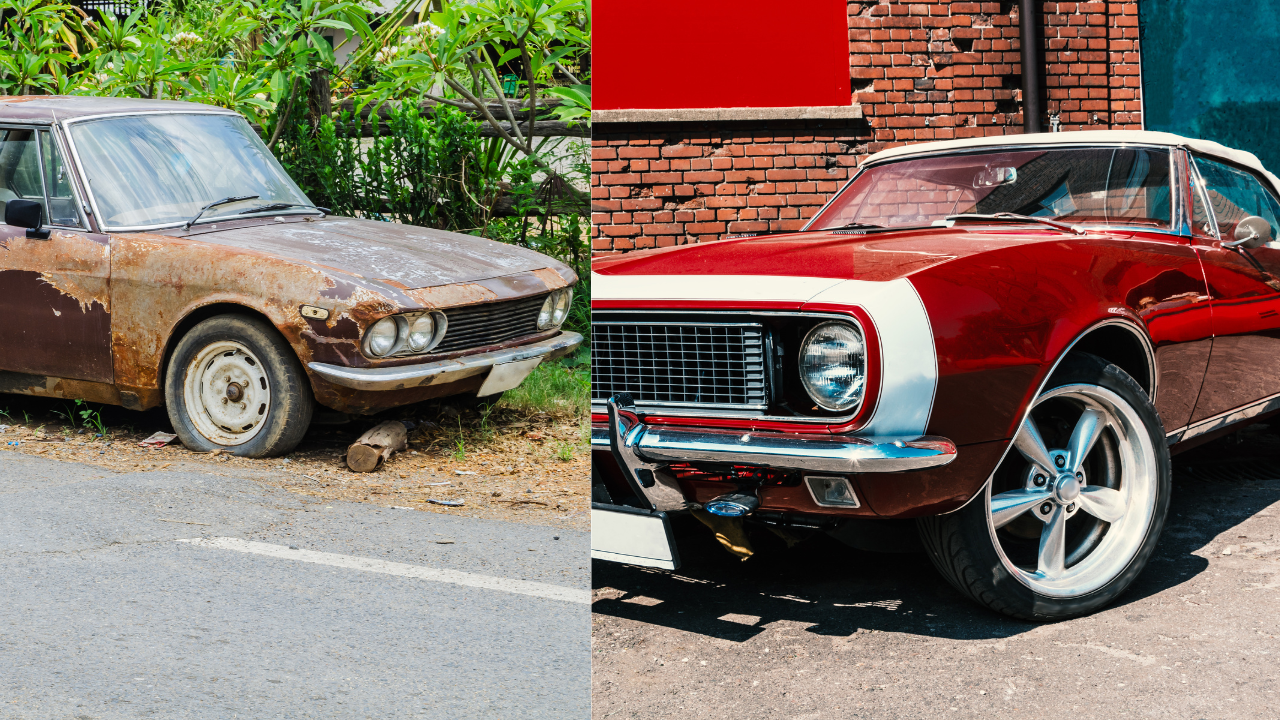
I encourage readers to explore the world of upcycling old cars and discover the myriad opportunities it presents. Whether you’re a seasoned enthusiast or a curious newcomer, there’s never been a better time to embark on your own upcycling journey. Together, we can transform the automotive industry and create a greener, more sustainable future for generations to come.
FAQS
1. What is upcycling in the context of old cars?
- Upcycling old cars involves repurposing and refurbishing vehicles that are no longer in use or in disrepair. Instead of disposing of them, upcycling involves restoring these cars to a usable or even improved condition.
2. How does upcycling old cars benefit the environment?
- Upcycling old cars reduces the need for manufacturing new vehicles, which in turn lowers carbon emissions associated with production. It also minimizes resource depletion by extending the lifespan of existing materials and components.
3. What economic advantages come with upcycling old cars?
- Upcycling old cars can result in significant cost savings for owners compared to purchasing new vehicles. Additionally, it creates revenue streams for businesses involved in restoration, parts supply, and customization.
4. Is upcycling old cars a form of creative expression?
- Yes, upcycling old cars provides ample opportunities for creative expression. Enthusiasts can customize their vehicles to reflect their unique tastes and preferences, resulting in one-of-a-kind automotive creations.
5. How does upcycling old cars contribute to heritage preservation?
- Upcycling old cars helps retain automotive history by preserving classic vehicles and salvaging rare components. It allows future generations to appreciate the craftsmanship and design of vintage automobiles.
6. What role does community engagement play in upcycling old cars?
- Community engagement is essential in upcycling projects, fostering collaboration among enthusiasts, craftsmen, and businesses. It also provides educational opportunities and strengthens ties within the automotive community.
7. Are there any safety concerns associated with upcycling old cars?
- Safety is a priority in upcycling old cars, and thorough inspections are conducted to ensure roadworthiness. Compliance with regulations and standards is essential to address safety concerns effectively.
8. What challenges do individuals face when upcycling old cars?
- Accessibility to resources, including parts and skilled labour, is a common challenge in upcycling projects. Additionally, navigating regulations and overcoming technical hurdles can pose obstacles to successful upcycling endeavors.
9. Can you provide examples of successful upcycling projects?
- Several notable upcycling projects demonstrate the potential benefits of refurbishing old cars, ranging from classic car restorations to innovative electric vehicle conversions.
10. What is the future outlook for upcycling old cars?
- The future of upcycling old cars looks promising, with advancements in technology driving innovation and sustainability in the automotive industry. There are opportunities for growth and collaboration in niche markets and mainstream adoption of upcycled vehicles.
Important Links
7 Key Insights for Successful Investing
5 Reasons Why the Asus Zenbook 14 OLED Revolutionizes Computing
HP ProBook 440 G10
Top 5 Reasons to Choose the HP ZBook Firefly G10