
Table of Content
- Introduction
- Understanding the Influence of Global Events on Stock Markets
- Global Events Stock Impact
- Historical Instances of Market Reaction to Global Events
- Analyzing the Immediate Impact on Stock Markets
- Market Volatility
- Defining Market Volatility in Times of Crisis
- Strategies for Navigating Volatile Markets
- Economic Events Effect
- The Role of Economic Indicators During Global Events
- Case Studies: Economic Events and Their Market Outcomes
- Investing During Crisis
- Principles of Crisis Investing
- Opportunities Amidst Uncertainty
- Mitigating Risks and Embracing Resilience
- Risk Management Strategies for Investors
- Building a Resilient Investment Portfolio
- Conclusion
- The Future of Investing in a Rapidly Changing World
Introduction
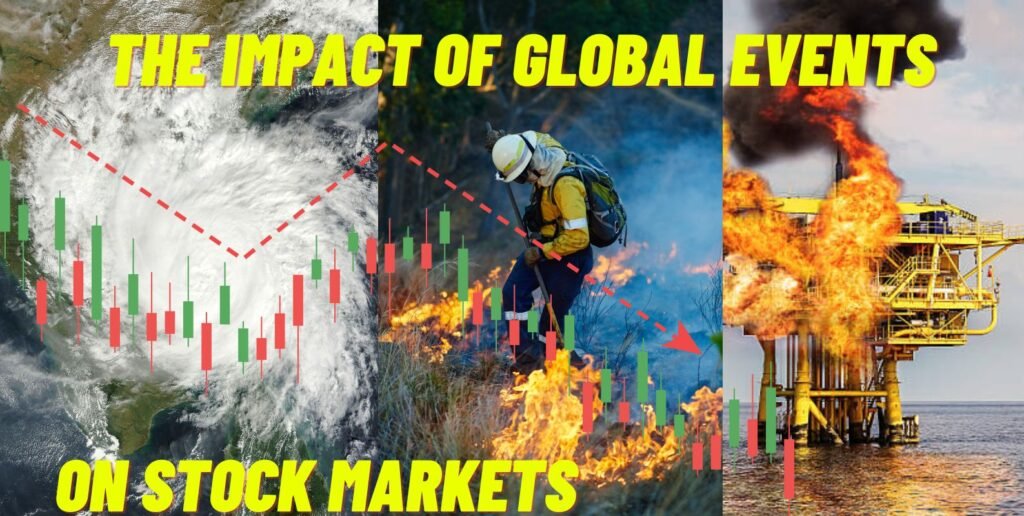
In an increasingly interconnected world, the ripple effect of global events on stock markets cannot be overstated. Whether it’s geopolitical unrest, pandemics, or financial crises, these occurrences have profound implications for investors worldwide. The term “Global Events Stock Impact” serves as a crucial focal point for understanding these dynamics. This article delves into the historical reactions of markets to global phenomena, the concept of market volatility during crises, the influence of economic events, and strategies for investing amidst uncertainty.

Global Events Stock Impact
Historical Instances of Market Reaction to Global Events: Examining past events offers insights into how global happenings can sway stock markets. For instance, the 2008 financial crisis led to a significant downturn in global markets, highlighting the interconnectedness of the world’s financial systems. Similarly, the onset of the COVID-19 pandemic in early 2020 caused widespread market turmoil, underscoring the sensitivity of markets to global health crises.
Analyzing the Immediate Impact on Stock Markets: The immediate aftermath of global events often results in heightened market volatility. Investors react to the uncertainty surrounding such events, leading to rapid fluctuations in stock prices. Understanding these reactions is vital for grasping the overall “Global Events Stock Impact”.

Market Volatility
Defining Market Volatility in Times of Crisis: Market volatility refers to the rate at which stock prices increase or decrease for a given set of returns. During crises, volatility tends to spike, reflecting the market’s sensitivity to uncertainty. The 2020 pandemic is a prime example, where markets experienced significant fluctuations in response to new information and government actions.
Strategies for Navigating Volatile Markets: Investors can employ various strategies to navigate through volatile markets. Diversification, for example, can mitigate risk, while staying informed about global events enables investors to make more calculated decisions. Understanding “Market Volatility” is crucial for any investment strategy during times of crisis.
Economic Events Effect
The Role of Economic Indicators During Global Events: Economic indicators such as GDP growth rates, unemployment rates, and consumer spending figures play a significant role in shaping market outcomes during global events. These indicators help investors gauge the health of an economy and make informed decisions accordingly.
Case Studies: Economic Events and Their Market Outcomes: Analyzing case studies, such as the oil price shock of the 1970s or the dot-com bubble burst in the early 2000s, demonstrates the “Economic Events Effect” on markets. Each case provides unique lessons on the interplay between economic events and stock market reactions.
Investing During Crisis
Principles of Crisis Investing: Investing during times of crisis requires a blend of caution and opportunity-seeking. The principle of crisis investing involves recognizing undervalued assets that may rebound post-crisis. This approach calls for a thorough understanding of “Investing During Crisis” and a keen eye for opportunities amidst adversity.
Opportunities Amidst Uncertainty: Crisis periods often present unique investment opportunities. For instance, sectors like technology and healthcare have shown resilience and growth potential during downturns. Identifying these opportunities requires diligent research and an understanding of long-term trends.
Mitigating Risks and Embracing Resilience: Effective risk management strategies are paramount during crises. Investors should focus on building a resilient investment portfolio that can withstand market shocks. This involves diversification, regular portfolio reviews, and a steady focus on long-term goals.
Conclusion
The Future of Investing in a Rapidly Changing World: In conclusion, understanding the “Global Events Stock Impact”, navigating “Market Volatility”, discerning the “Economic Events Effect”, and mastering “Investing During Crisis” are essential for any investor aiming to thrive in today’s dynamic financial landscape. As the world continues to evolve, so too must investment strategies, adapting to new challenges and seizing emerging opportunities. The future of investing lies in resilience, adaptability, and informed decision-making.
FAQs on Global Events and Their Impact on Stock Markets
1. What are global events, and how do they impact stock markets? Global events refer to significant occurrences with international implications, such as geopolitical conflicts, pandemics, economic crises, and natural disasters. These events can lead to market volatility due to uncertainty, affecting investor sentiment and causing fluctuations in stock prices. The impact varies based on the event’s nature, scale, and the perceived effect on global economic stability.
2. How does market volatility affect my investments? Market volatility signifies the rate at which stock prices move up or down. High volatility often indicates uncertainty in the market, leading to rapid price changes. For investors, this can mean increased risk, as the value of investments can fluctaneously decrease or increase. However, volatility also presents opportunities for buying undervalued stocks that may appreciate in value over time.
3. Can economic indicators predict the effect of economic events on markets? Economic indicators, such as GDP growth, inflation rates, and unemployment figures, can provide insights into the health of an economy and potential market trends. While they cannot predict market movements with absolute certainty, they offer valuable context that helps investors understand potential impacts of economic events on stock markets.
4. What strategies can I use to navigate volatile markets? Investors can navigate volatile markets by diversifying their portfolios, staying informed about global events and economic indicators, and maintaining a long-term investment perspective. Other strategies include setting stop-loss orders to minimize losses and considering the allocation of assets into more stable investments like bonds or precious metals during high volatility.
5. How do I find investment opportunities during a crisis? Investing during a crisis requires careful analysis and a focus on sectors that may benefit or recover quickly. Look for industries with essential services, technological innovation, or healthcare advancements. Research and due diligence are crucial to identifying undervalued stocks that have the potential for growth as the crisis abates.
6. What are some key principles of crisis investing? Key principles of crisis investing include patience, research, and a focus on long-term goals. Investors should look for fundamentally strong companies priced below their intrinsic value due to temporary market conditions. It’s also important to consider diversification and risk management to protect against unforeseen market downturns.
7. How can I mitigate risks during times of uncertainty? To mitigate risks, investors should diversify their portfolios across different asset classes and sectors. It’s also wise to keep a portion of the portfolio in liquid assets to take advantage of new investment opportunities. Regularly reviewing and adjusting your investment strategy in response to changing market conditions can help manage risk effectively.
8. What does building a resilient investment portfolio entail? A resilient investment portfolio is diversified across various asset classes and sectors, capable of withstanding market volatility and shocks. It includes investments in stable industries, growth sectors, and defensive stocks that tend to perform well during economic downturns. Regular assessment and rebalancing of the portfolio to align with your investment goals and risk tolerance are essential practices.
Stock Market Trends 2024: Discover 7 Positive Insights to Excel
Stock Market Trends 2024: Discover 7 Positive Insights to Excel