The Role of Social Media Political Campaigns
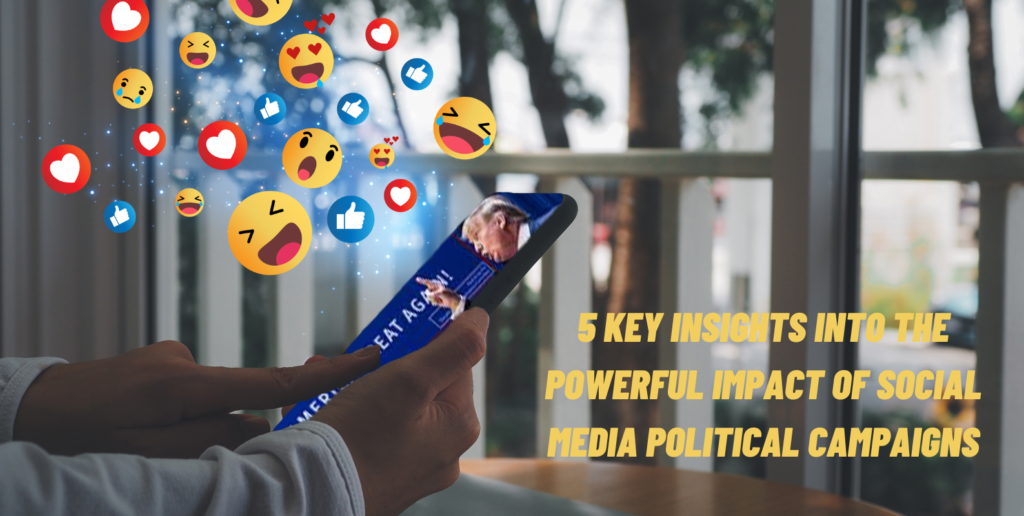
In the digital age, social media political campaigns have revolutionized the way politicians communicate with voters. This transformation has not only made campaigns more accessible but also more engaging. Social media platforms have become battlegrounds for political ideologies, where the power of online influence can sway public opinion and voter engagement. Understanding the impact of social media on political campaigns is crucial for both politicians and voters. From digital campaigning to political advertising, the landscape of politics has been reshaped by the digital wave.
The Evolution of Digital Campaigning
Digital campaigning has emerged as a pivotal strategy in modern electoral contests. Gone are the days when traditional media was the sole channel for political discourse. Today, platforms like Twitter, Facebook, and Instagram play a central role in shaping political narratives. This shift towards digital campaigning allows for a direct and instantaneous connection between candidates and the electorate, fostering a new level of engagement and personalization.
The Power of Political Advertising on Social Media
Political advertising on social media has opened new avenues for candidates to reach their target audience. Unlike traditional advertising, which can be passive and unidirectional, social media advertising enables interactive and targeted campaigns. This precision in targeting ensures that political messages reach the most relevant audience, increasing the efficiency and effectiveness of campaign spending.
Enhancing Voter Engagement through Social Media
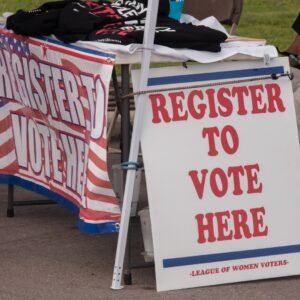
Voter engagement is at the heart of any successful political campaign. Social media has redefined engagement, making it easier for voters to interact with candidates and political causes. Through likes, shares, comments, and retweets, voters can express their support, spread messages, and engage in political discussions. This heightened level of engagement not only energizes the base but also attracts undecided voters by creating a sense of community and belonging.

The Impact of Online Influence on Politics
Online influence has become a double-edged sword in politics. On one hand, it empowers candidates and political movements to amplify their message and mobilize support. On the other, it raises concerns about misinformation, echo chambers, and the manipulation of public opinion. Navigating the challenges of online influence requires a careful balance between leveraging the positive aspects of social media while mitigating its potential harms.
Some Politicians used social media in their Campaigns
- Donald Trump – Known for his extensive use of Twitter in past campaigns, although he has faced bans and restrictions on several platforms.
- Ron DeSantis – Attempted to announce his run via Twitter Spaces, highlighting the innovative use of social media platforms beyond traditional posts.
- Marianne Williamson – Has successfully leveraged TikTok to reach a younger audience, significantly boosting her campaign’s visibility.
- Chuck Grassley – Utilizes Twitter to share personal and relatable content, like updates from his farm, which helps humanize him to voters.
Conclusion
Social media political campaigns have undeniably transformed the landscape of political communication. The ability to conduct digital campaigning, engage in targeted political advertising, enhance voter engagement, and wield online influence has provided unprecedented opportunities and challenges. As we move forward, the importance of understanding and adapting to this digital revolution will only grow. Politicians and voters alike must navigate this new terrain with awareness and responsibility, ensuring that social media serves as a tool for democratic engagement rather than division.
FAQs: The Role of Social Media in Political Campaigns
1. Why do politicians use social media for their campaigns?
Politicians use social media for their campaigns because it allows them to reach a large and diverse audience quickly and directly. Social media platforms enable personalized messaging, real-time engagement with voters, and the ability to share campaign content widely at a relatively low cost. Additionally, social media provides valuable data on voter behavior and preferences, allowing for targeted advertising and more effective campaign strategies.
2. What are the most popular social media platforms for political campaigning?
The most popular social media platforms for political campaigning include Facebook, Twitter, Instagram, and increasingly, TikTok. Each platform offers unique features that can be leveraged for different aspects of campaigning, such as Facebook’s broad demographic reach, Twitter’s real-time communication capabilities, Instagram’s visual storytelling potential, and TikTok’s appeal to younger voters.
3. How has social media changed political advertising?
Social media has revolutionized political advertising by enabling highly targeted advertising strategies. Politicians can now use data analytics to identify and reach specific demographic groups with tailored messages. Social media also allows for more interactive and engaging forms of advertising, such as video content, live streams, and direct interactions with voters through comments and messages.
4. Can social media impact voter turnout?
Yes, social media can impact voter turnout. Studies have shown that social media campaigns that encourage voter registration and remind people to vote can significantly increase voter turnout. By creating a sense of community and urgency around voting, social media can mobilize supporters and influence undecided voters to participate in elections.
5. Are there any risks associated with using social media in political campaigns?
While social media offers many benefits for political campaigns, there are also risks, including the spread of misinformation and fake news, the potential for cyberattacks and data breaches, and the creation of echo chambers where voters are only exposed to viewpoints similar to their own. Politicians and campaign teams must navigate these challenges carefully to ensure that their use of social media contributes positively to the democratic process.
6. How do voters benefit from politicians using social media?
Voters benefit from politicians using social media in several ways. Social media platforms provide voters with direct access to candidates and their policies, enabling more informed decision-making. They also offer a space for public discourse and engagement with political issues, allowing voters to voice their opinions, ask questions, and interact with both politicians and fellow citizens.
7. What is the future of social media in political campaigns?
The future of social media in political campaigns is likely to see even greater integration of digital strategies, with emerging technologies such as artificial intelligence, virtual reality, and advanced data analytics playing a larger role. As platforms evolve and new ones emerge, politicians will continue to innovate in how they use social media to connect with voters, fundraise, and run their campaigns. However, this will also require increased attention to ethical considerations and regulations to protect the integrity of the democratic process.
You May Also Like This
5 Critical Insights on Healthcare Reform USA: Navigating Congress Debates
7 Key Advantages of the Infrastructure Bill USA: Economic Boost & Enhanced Connectivity
5 Key Insights: The 2024 Presidential Election – Predictions, Candidates & More!