5 Eye-Catching Immigration Policies USA Under the Current Administration
In the maze of U.S. politics, few issues elicit as much debate, passion, and complexity as immigration. The way a country handles its borders, visas, and foreign-born residents speaks volumes about its economic priorities, humanitarian values, and national security concerns. In recent years, the American tapestry of immigration policies USA has been vigorously rewritten by the current administration, garnering attention from immigrants, policy makers, and legal advisors alike.
Navigating these changes has become a vital part of the American immigrant experience, raising questions on the very essence of the nation’s identity and opportunity. In this blog post, we unpack five of the most pivotal immigration policies USA that have both impacted the fabric of U.S. immigration and provoked significant reactions.
The Big Five: Highlighting Significant Immigration Policies USA
 1. The Travel Ban (Including the January 2020 Expansion)
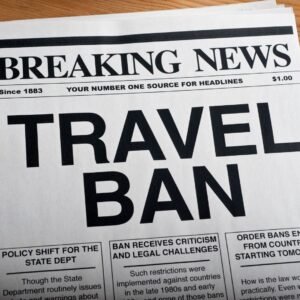
The executive order popularly known as the “travel ban” has been a linchpin of the current administration’s approach to national security. Since its first iteration in 2017, which targeted predominantly Muslim-majority countries, the ban has faced both legal challenges and subsequent alterations. The January 2020 expansion brought about restrictions on immigrant and nonimmigrant visas for citizens of six additional countries, including Nigeria and Myanmar. This policy has significantly curtailed immigration opportunities for individuals from these nations and sparked outrage over charges of religious or racial profiling.
Impacts: The ban has led to a dramatic decrease in refugee admissions, and has disrupted the lives of many aspiring immigrants who have family ties or education plans in the U.S. Legal immigration from affected countries has steeply declined, exacerbating the perception of unfair practices in the eyes of supporters of these immigrants.
Statistics: According to the U.S. Citizenship and Immigration Services, over 31,000 immigrant visas were refused under this order in 2020 alone.
 2. Border Wall and Migrant Protection Protocols (Remain in Mexico)
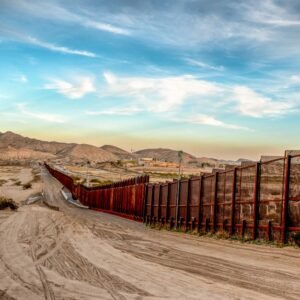
The construction of a border wall along the U.S.-Mexico border was a central promise of the administration’s immigration platform. Coupled with the implementation of the Migrant Protection Protocols (MPP), commonly referred to as “Remain in Mexico,” this policy aims to deter undocumented border crossings and to keep migrants awaiting immigration court hearings outside of the U.S. borders. This policy has been met with both fervent support from those who emphasize security concerns and fierce opposition from advocates who decry its impact on the wellbeing of vulnerable migrants.
Impacts: The immediate effect has been a noticeable decline in arrests at the southern border. However, reports and testimonies suggest significant human rights violations and security challenges for migrants stuck in limbo just south of the U.S. border.
Statistics: Analysis from the Migration Policy Institute suggests a stark impact on asylum applications, with less than 1% of individuals with active MPP cases ultimately being granted asylum.
3. Public Charge Rule Changes
A longstanding pillar of U.S. immigration law has been the concept of ensuring immigrants are not likely to become a public charge, or dependent on the government for subsistence. However, the current administration ushered in significant changes to how the “public charge” is defined, expanding it to include an assessment of whether an immigrant is likely to use housing, food, or healthcare benefits. This has restricted the entry of low-income immigrants and has created complex legal situations for those seeking green cards or visas.
Impacts: The expanded public charge rule has created a chilling effect, causing some immigrants to dis-enroll from critical benefits for fear of jeopardizing their immigration status. This, in turn, poses public health and welfare risks.
Statistics: Research by Pew and other organizations indicates that use of public benefits has dropped among immigrant families, even those not directly affected by the public charge rule, due to fear and confusion.
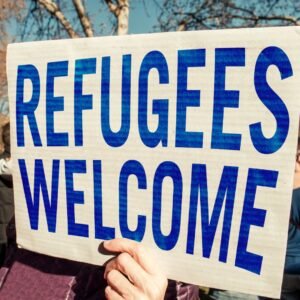 4. Drastic Reduction in Refugee Admissions
The administration’s approach to refugee resettlement has witnessed a dramatic overhaul, with drastic reductions in the number of refugees allowed to enter the U.S. This departure from historical norms and commitments under international agreements has led to the virtual dismantling of the U.S. refugee resettlement program, impacting the lives of countless families fleeing persecution.
Impacts: Effective barriers to entry for refugees have perpetuated overcrowding in camps and delayed reunification for vulnerable populations, such as Syrian Kurds and persecuted religious minorities.
Statistics: Refugee admissions have plummeted from a cap of 110,000 during the last year of the Obama administration to just 15,000 in the fiscal year of 2021 under the current administration.
 5. Temporary Protected Status (TPS) Changes
Temporary Protected Status (TPS) is a federal program that provides a work permit and protection from deportation for foreign nationals from countries facing war, natural disasters, or other extraordinary conditions. The administration’s changes to TPS have led to a wave of uncertainty for hundreds of thousands of individuals, with the termination or threatened termination of their protected status, sometimes after living in the U.S. for decades.
Impacts: The removal of TPS for countries like El Salvador, Nicaragua, Haiti, and Sudan, which collectively had over 300,000 individuals protected, has left many families in a state of limbo, fearful of deportation to countries still grappling with the conditions that initially led to TPS designation.
Statistics: The number of individuals with TPS has dropped by over 60% since the inauguration of the current administration, illustrating the impact of these changes on immigrants’ lives.
Expert Insights
Seeking understanding and contextualization, I reached out to a panel of experts for their insights on the impact of these policies and the response within the immigrant community.
Quotes and Opinions
Immigration Lawyer: “The totality of these policies has significantly altered the landscape for legal immigration and asylum in the U.S. It’s a complex web that forces many to weigh their future in the country they call home.”
Policy Analyst: “From a policy perspective, the changes we’ve seen reflect a reorientation of U.S. immigration priorities. The focus seems to be on reducing both legal and unauthorized immigration, particularly for those in vulnerable conditions.”
Immigrant Rights Activist: “It is a humanitarian disaster. Families are separated, and the very notion of America as a land of opportunity is being eroded. We need to find humane and realistic solutions that balance security with compassion.”
Response and Adaptation
In response to these upheavals, immigrants, policy makers, and legal advisors have been compelled to adapt and respond swiftly. Legal strategies have shifted to address the evolving landscape, with immigration lawyers increasingly advocating for preemptive protective measures. Community support has also become an important mechanism for immigrants to find guidance, resources, and solidarity.
Looking Ahead
Will these policies remain fixtures of U.S. immigration, or are they poised for recalibration with a change in administration or congressional action? The future of these policies is uncertain, but their rippling effects will continue to shape the contours of U.S. immigration. Staying informed, engaging in advocacy, and seeking legal counsel if affected are among the actions that immigrants and their allies can take to respond to these policy shifts.
Conclusion
Immigration policies USA under the current U.S. administration have significantly altered the American immigration narrative. From travel bans to public charge rules, the impacts have been felt far and wide. It’s a time for unity and action, for immigrants to share their experiences and for all stakeholders to weigh in on the future of immigration in the U.S. As we continue to navigate these changes, it’s important to remember the undeniable contributions of immigrants to the fabric of our nation.
Together, we must strive for a more just and inclusive immigration system that upholds America’s values and heritage as a nation of immigrants. Let us not forget that we are all ultimately interdependent on one another, regardless of where we come from or what our immigration status may be. Let us continue to strive for a more welcoming and compassionate country for all. So while the current policies have brought about challenges, there is hope for change and progress in the future. Let us continue to advocate for fair and just immigration policies USA that reflect the values of our nation as a diverse and inclusive society.
The journey may be difficult, but together we can create a better future for all. So let us continue to work towards a more just and inclusive society, where the contributions of immigrants are celebrated and valued.
The fight is not over, but with perseverance and unity, we can create a brighter future for generations to come. Let us remember that we are all interconnected, bound by our shared humanity, and let us continue to strive for a more compassionate and fair immigration system.
In the words of President Joe Biden, “America is a nation of immigrants, and we are stronger when we embrace our diversity.” Let us hold on to this sentiment and work towards a better future for all. Together, we can build a nation that upholds justice, equality, and dignity for all individuals, regardless of their country of origin.
Let us keep advocating, supporting and lifting each other up, because together we are stronger. This is the true spirit of America – a nation that welcomes and embraces all who seek to build a better life for themselves and their families. So let us continue to fight for a fair and just immigration system that reflects the values of our great nation.
The journey may be difficult, but with our perseverance and determination, we can create a brighter future for all. So let us continue to work towards a society that celebrates diversity and promotes justice for all individuals. As Martin Luther King Jr once said, “We may have all come on different ships, but we’re in the same boat now.
” Let us remember these words and strive towards a more just, inclusive, and compassionate society for all. The journey may be long, but together we can make a difference. So as we look ahead to the future of U.S. immigration policies USA, let us remember the resilience and strength of immigrants and continue to stand in solidarity with them.
Together, let us build a brighter and more welcoming future for all. As we close this discussion, let us remember that the journey towards a fair and just immigration system is not over. It requires ongoing advocacy, education, and engagement from all members of society. Let us continue to uplift the voices and experiences of immigrants, challenge unjust policies, and work towards building a more inclusive society for generations to come.
You May Like
5 Key Supreme Court Decisions USA Shaping the Future: Discover Insights & Implications
5 Key Insights into the Powerful Impact of Social Media Political Campaigns
7 Key Advantages of the Infrastructure Bill USA: Economic Boost & Enhanced Connectivity