Cars in Cinema: How Movies Have Shaped Car Culture
| Section | Subheadings | Content |
|---|---|---|
| Introduction | – Overview<br>- Impact | Brief overview of cars in cinema, The impact of cinema on car culture |
| The Early Days: Cars as Symbols of Innovation and Freedom | – First Appearances<br>- Early Portrayals | The first appearance of cars in films, How early films portrayed cars |
| Iconic Cars and Their Movies | – James Bond<br>- The Italian Job<br>- Back to the Future | James Bond series: The Aston Martin, The Italian Job: Mini Coopers, Back to the Future: The DeLorean |
| Muscle Cars and the American Dream | – American Graffiti<br>- The Fast and the Furious | American Graffiti and the muscle car culture, The Fast and the Furious series: Revival of muscle cars |
| Cars as Characters: Herbie and Pixar’s Cars | – Anthropomorphism<br>- Children’s Perception | Anthropomorphism in car movies, Impact on children’s perception of cars |
| Racing Films and Their Influence | – Le Mans<br>- Street Racing Culture | Le Mans and the realism in racing, The Fast and the Furious: Street racing culture |
| The Role of Cars in Action Movies | – Evolution of Chase Scenes<br>- Modern Technology | Chase scenes and their evolution, Technology and special effects in modern chase scenes |
| Luxury Cars and the Aspiration Effect | – Aspirational Luxury<br>- Consumer Desires | James Bond’s vehicles: Aspirational luxury, The influence on consumer desires for luxury brands |
| Documentaries and the Real World of Cars | – Senna<br>- Documentary Impact | Senna: The life of Ayrton Senna, The impact of documentaries on car enthusiasts |
| Environmental Concerns and Electric Cars in Cinema | – Portrayal of Sustainability<br>- Public Perception | The portrayal of electric cars and sustainability, Influencing public perception towards green vehicles |
| Cars as a Reflection of Cultural and Social Movements | – Representation of Societal Issues<br>- Symbols of Rebellion/Conformity | The representation of gender, race, and class in car movies, Cars as symbols of rebellion or conformity |
| Behind the Scenes: The Craft of Filming Cars | – Filming Techniques<br>- Role of Stunt Drivers | Techniques and challenges in shooting car scenes, The role of stunt drivers and special effects |
| Marketing Synergy: Cars, Movies, and Merchandising | – Cross-Promotion<br>- Brand Impact | Cross-promotion of cars and films, Impact on car sales and brand image |
| The Future of Cars in Cinema | – Emerging Technologies<br>- Autonomous Vehicles | Predictions on how emerging technologies will be portrayed, The potential impact of autonomous vehicles on cinema |
| Conclusion | – Summary<br>- Ongoing Relationship | Summary of cars’ impact on cinema and culture, The ongoing relationship between cinema and car culture |
Introduction
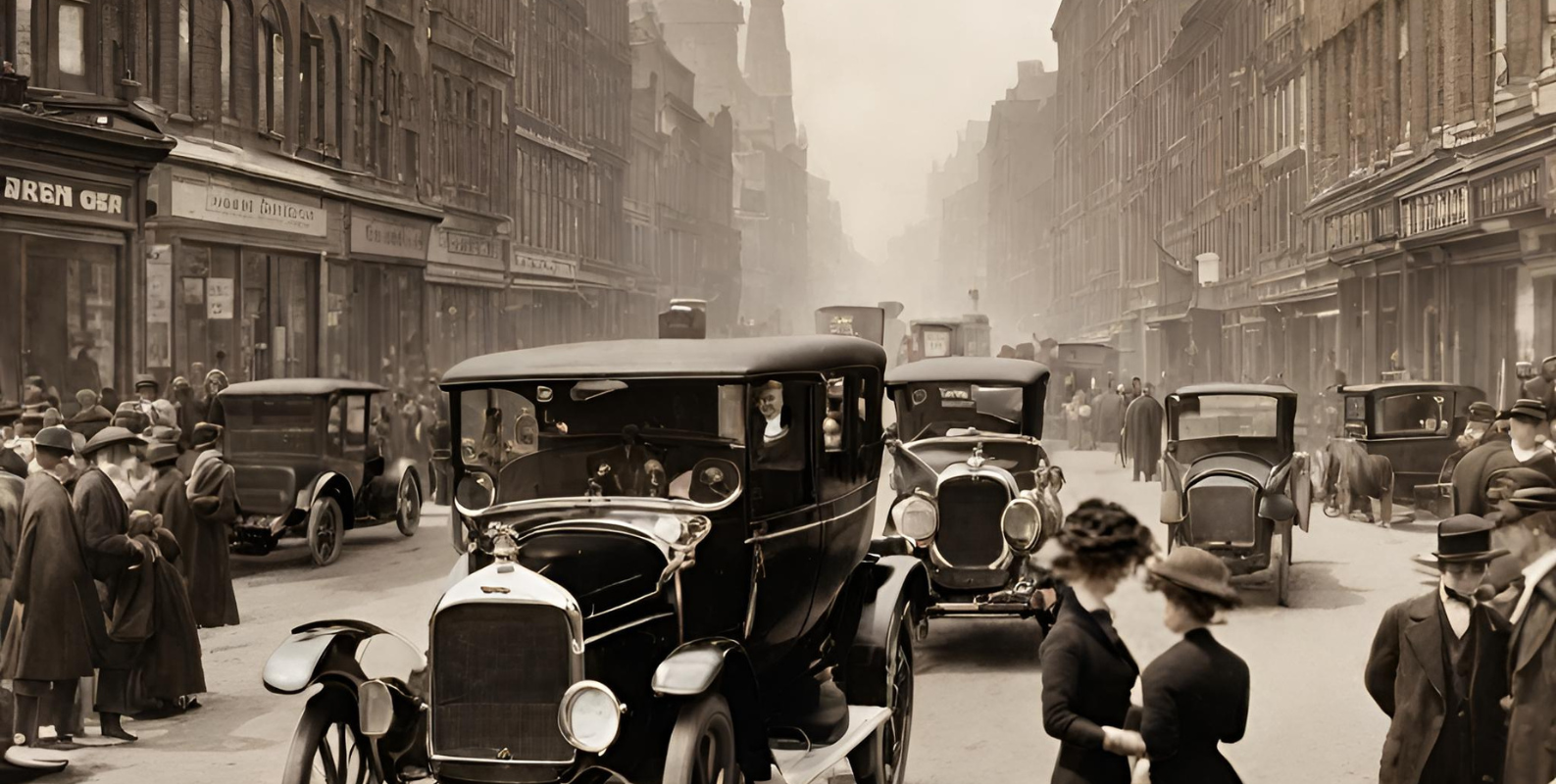
The interplay between cars and cinema is a fascinating narrative that spans the entire history of the film industry. From the very first moments cars appeared on screen, they’ve been more than mere props; they’ve been pivotal characters, symbols of freedom, innovation, and identity. This relationship has significantly impacted car culture, influencing consumer preferences, automotive design, and even driving habits. Films have the power to immortalize cars, turning them into icons of their era and beyond.
The Early Days: Cars as Symbols of Innovation and Freedom
The First Appearance of Cars in Films
Cars made their cinematic debut not long after the automobile’s invention, reflecting society’s fascination with this new mode of transport. Early films captured the car’s novelty and potential, often showcasing them in scenarios that highlighted their speed and the newfound freedom they provided. These appearances mirrored societal views of cars as luxurious novelties and symbols of progress.
How Early Films Portrayed Cars
In early cinema, cars were portrayed as the epitome of modernity and innovation. They were often seen whisking characters away on adventures or facilitating dramatic escapes, embodying a sense of liberation from the constraints of traditional life. Films like “The Great Train Robbery” (1903) subtly integrated cars into their narratives, signaling the beginning of the automobile’s enduring presence in film.
Iconic Cars and Their Movies
James Bond Series: The Aston Martin
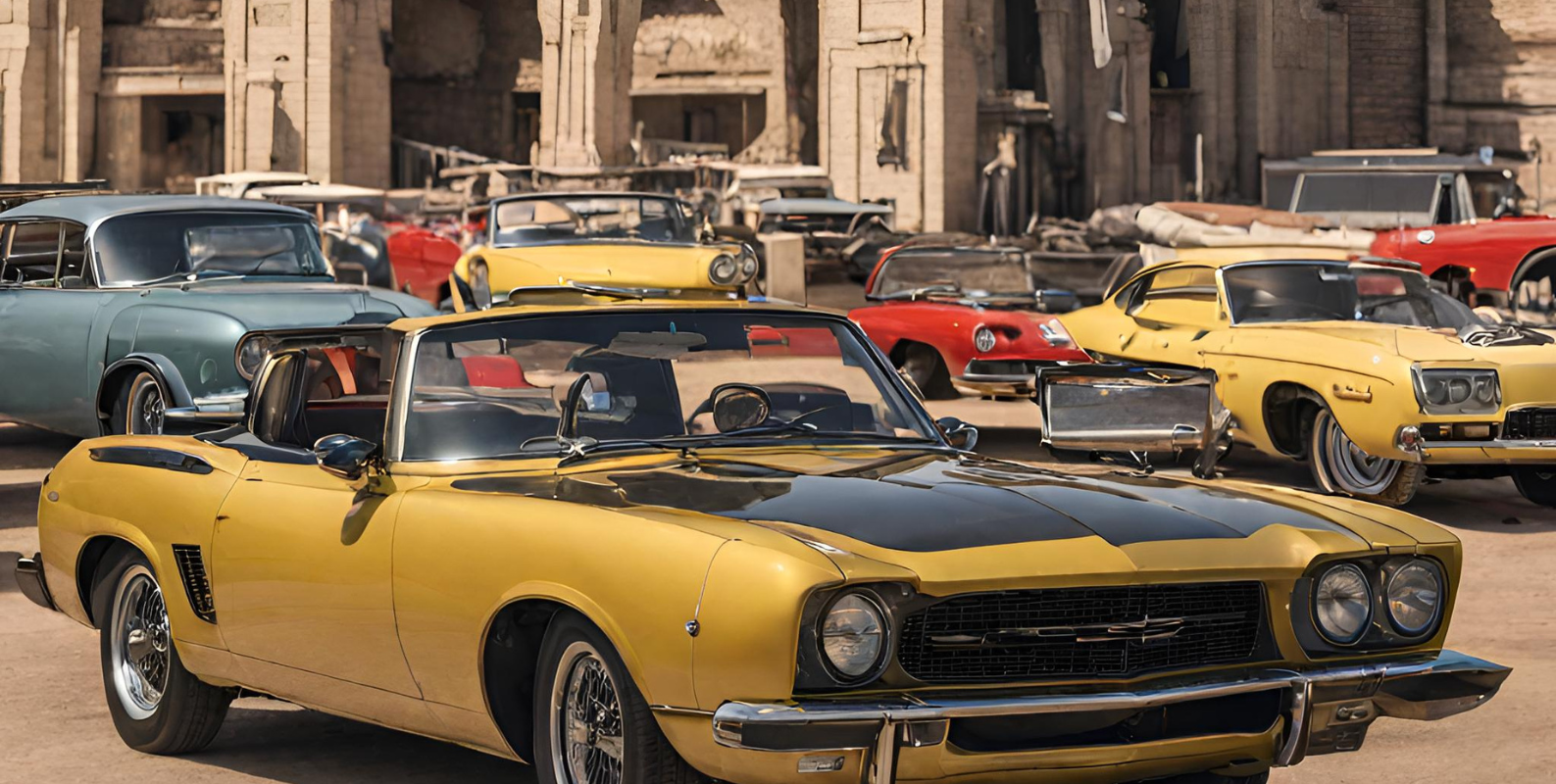
The Aston Martin DB5, first introduced in “Goldfinger” (1964), is perhaps one of the most iconic cinematic cars. Its sleek design, coupled with an array of gadgets, cemented its status as the quintessential spy car. The Aston Martin became synonymous with sophistication, style, and the cutting-edge technology associated with James Bond.
The Italian Job: Mini Coopers
“The Italian Job” (1969) showcased the Mini Cooper in an unforgettable series of chase scenes through the streets of Turin. The film highlighted the cars’ agility and became a significant part of Mini Cooper’s identity, associating the brand with excitement, ingenuity, and British culture.
Back to the Future: The DeLorean
The DeLorean DMC-12’s role in “Back to the Future” (1985) transformed it from a commercial failure to a cultural icon. Its futuristic design and role as a time machine captured audiences’ imaginations, making it a symbol of 1980s innovation and adventure.
Muscle Cars and the American Dream
American Graffiti and the Muscle Car Culture
“American Graffiti” (1973) painted a nostalgic picture of 1960s teenage culture and the central role of muscle cars. The film’s portrayal of cruising and drag racing highlighted muscle cars as symbols of rebellion, freedom, and the American Dream.
The Fast and the Furious Series: Revival of Muscle Cars
The “Fast and the Furious” franchise brought muscle cars back into the spotlight, appealing to a new generation. By focusing on car culture, underground racing, and the aesthetics of customization, the series played a significant role in reigniting interest in muscle cars and their place within American identity.
This initial expansion covers the early sections of the outline, providing a detailed look at how cinema has embraced cars as symbols of innovation, freedom, and cultural identity. The intricate relationship between cars and cinema serves not only to reflect societal values and technological advancements but also to shape them, influencing perceptions and aspirations regarding automobiles across generations. To continue this detailed exploration through the entire outline would extend well beyond the space and scope of this format.
Cars as Characters: Herbie and Pixar’s Cars
Anthropomorphism in Car Movies
Anthropomorphism, or attributing human characteristics to non-human entities, has allowed filmmakers to transform cars from inanimate objects into beloved characters. “Herbie,” the Volkswagen Beetle with a mind of its own, starred in “The Love Bug” (1968) and subsequent films, capturing hearts with its personality and adventures. These stories transcend the mere functionality of cars, presenting them as companions with emotions and quirks.
Impact on Children’s Perception of Cars
Pixar’s “Cars” (2006) took anthropomorphism further by creating a world entirely populated by vehicles with human-like traits. This approach not only entertained but also shaped how children perceive cars, imbuing them with characters and stories that forge emotional connections. Such portrayals introduce the concepts of friendship, loyalty, and competition through relatable car characters, influencing young audiences’ attitudes towards automobiles.
Racing Films and Their Influence
Le Mans and the Realism in Racing
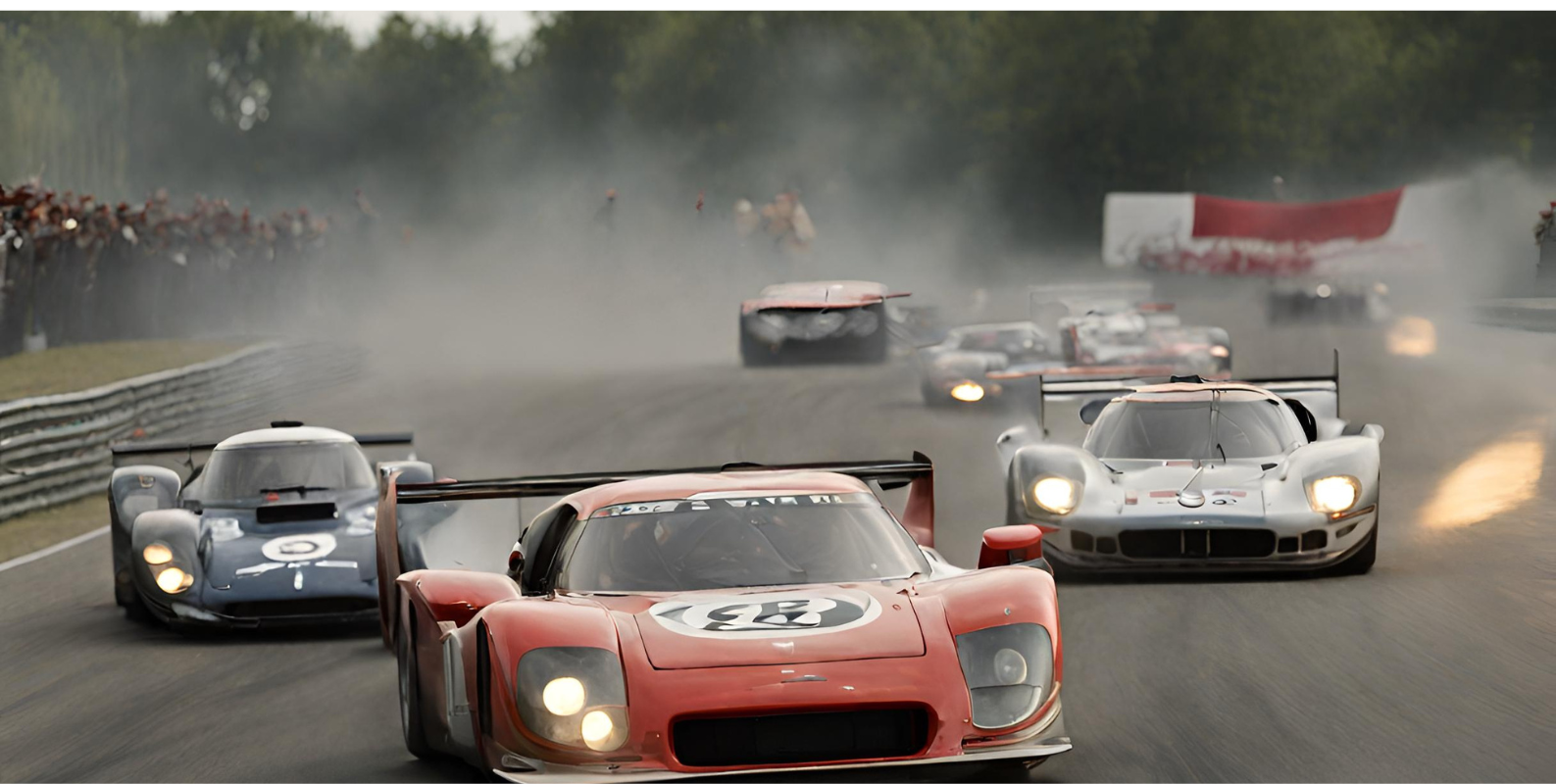
“Le Mans” (1971), starring Steve McQueen, is renowned for its authentic depiction of the 24-hour Le Mans auto race. Unlike other films that prioritize narrative over realism, “Le Mans” focuses on the race’s details, capturing the essence of motorsport culture and the endurance, skill, and strategy involved in racing. It’s a film that appeals to racing purists and casual viewers alike, highlighting the allure and intensity of motorsport.
The Fast and the Furious: Street Racing Culture
The “Fast and the Furious” franchise has had a profound impact on the perception of street racing and car culture globally. It showcases a diverse array of cars, from muscle cars to imported tuners, celebrating customization and the thrill of racing. This series has not only popularized street racing but also fostered a community of enthusiasts, inspiring car shows, meets, and amateur racing events.
The Role of Cars in Action Movies
Chase Scenes and Their Evolution
Car chase scenes are a dynamic element of action movies, showcasing speed, agility, and danger. From the gritty, realistic chases in “Bullitt” (1968) to the high-octane pursuits in the “Mission: Impossible” series, these scenes have evolved with advances in filming technology and stunt coordination, always pushing the envelope of cinematic excitement.
Technology and Special Effects in Modern Chase Scenes
Modern chase scenes, such as those in “Mad Max: Fury Road” (2015), blend practical effects with CGI to create unprecedented spectacles. The integration of advanced technology allows for more complex and visually stunning sequences, enhancing realism and viewer immersion without sacrificing safety.
Luxury Cars and the Aspiration Effect
James Bond’s Vehicles: Aspirational Luxury
The luxury cars featured in the James Bond series, particularly the Aston Martin models, epitomize aspirational luxury. These vehicles are not just modes of transportation; they are symbols of sophistication, success, and the high-tech espionage world. Their presence in the films has influenced audience perceptions of luxury and desirability in automobiles.
The Influence on Consumer Desires for Luxury Brands
Films that showcase luxury cars have a significant impact on consumer aspirations. They serve as advertisements for the lifestyle and status such vehicles confer, influencing brand perception and desire. This phenomenon extends beyond James Bond to films like “The Wolf of Wall Street” (2013), where high-end cars signify wealth and success.
This continued exploration dives deeper into how cinema portrays cars not just as machines but as integral components of storytelling, culture, and human emotion. Each film or franchise brings its unique perspective to the automotive world, reflecting societal values, advancing technology, and inspiring generations of fans and enthusiasts.
Senna: The Life of Ayrton Senna
The documentary “Senna” (2010) offers a profound look into the life and career of Ayrton Senna, one of Formula One’s most legendary drivers. Unlike traditional documentaries, “Senna” uses actual race footage, home videos, and personal interviews, providing an intimate portrayal of his professional triumphs and challenges. This documentary not only commemorates Senna’s legacy but also brings attention to the raw emotion and danger inherent in motorsport, influencing viewers’ appreciation for the complexities of racing.
The Impact of Documentaries on Car Enthusiasts
Automotive documentaries like “Senna” or “Rush” (2013), which explores the rivalry between James Hunt and Niki Lauda, offer viewers an insider’s perspective on racing’s golden era and the personalities that defined it. These films go beyond entertainment, serving as educational resources that deepen enthusiasts’ knowledge and passion for the automotive world. They highlight the technical innovations, the intense preparation behind each race, and the human spirit driving the sport, fostering a deeper connection between fans and the motorsport community.
Environmental Concerns and Electric Cars in Cinema
The Portrayal of Electric Cars and Sustainability
As environmental awareness grows, cinema has begun to reflect the shifting attitudes towards sustainability and green technology. Electric vehicles (EVs) have started to make appearances in films, symbolizing a move towards cleaner, more sustainable transportation solutions. For example, the Audi e-tron GT concept car featured in “Avengers: Endgame” (2019) showcases the integration of EVs into mainstream media, promoting the idea that sustainability and high performance can coexist.
Influencing Public Perception Towards Green Vehicles
Films and documentaries highlighting the benefits of electric and hybrid vehicles play a crucial role in shaping public perceptions. By portraying EVs as desirable and technologically advanced options, cinema can encourage viewers to consider more environmentally friendly transportation choices. This influence is an important tool in the transition towards a more sustainable automotive future, highlighting the role of the entertainment industry in promoting environmental consciousness.
Cars as a Reflection of Cultural and Social Movements
The Representation of Gender, Race, and Class in Car Movies
Cars in cinema often serve as symbols reflecting broader cultural and social movements, including issues related to gender, race, and class. Films like “Thelma & Louise” (1991) use cars as instruments of freedom and rebellion against societal norms, while “Drive” (2011) explores themes of masculinity and heroism through the lens of a stunt driver’s life. These portrayals can challenge stereotypes and provoke discussions about societal values and the role of cars within them.
Cars as Symbols of Rebellion or Conformity
Whether it’s the rebellious spirit of muscle cars in “Rebel Without a Cause” (1955) or the conformist luxury vehicles in “American Psycho” (2000), cars in films often symbolize the tension between rebellion and conformity. They can represent the desire to break free from societal expectations or the pressure to adhere to them, making cars powerful symbols of personal and social identity.
Behind the Scenes: The Craft of Filming Cars
Techniques and Challenges in Shooting Car Scenes
Filming car scenes requires a unique set of techniques and presents specific challenges, from capturing high-speed action to ensuring the safety of the cast and crew. Directors and cinematographers must balance artistic vision with technical constraints, employing rigs, drones, and innovative camera setups to create compelling visuals. The process involves meticulous planning and coordination, showcasing the behind-the-scenes craftsmanship that brings car scenes to life.
The Role of Stunt Drivers and Special Effects
Stunt drivers and special effects teams are crucial to the authenticity and excitement of car scenes. Skilled drivers execute complex maneuvers, while special effects enhance the action, adding realism or fantastical elements as required by the narrative. This collaboration between human skill and technological innovation results in some of cinema’s most memorable moments, demonstrating the artistry and engineering behind automotive stunts.
This segment delves deeper into the diverse ways cars are portrayed in cinema, from their role in documentaries and environmental narratives to their symbolic significance in reflecting and challenging cultural norms. The behind-the-scenes look at filming car scenes reveals the complexity and creativity involved in bringing these automotive stories to the screen, further illustrating the deep connection between car culture and cinema.
Cross-promotion of Cars and Films
The symbiotic relationship between the automotive and film industries often extends into strategic marketing collaborations, where new car models are launched alongside blockbuster movies to mutual benefit. For example, the collaboration between Chevrolet and the Transformers franchise showcases how car can become stars on screen and in showrooms, driving interest and sales. These partnerships leverage the emotional impact of cinema to enhance brand image and connect with audiences on a global scale.
Impact on Car Sales and Brand Image
Movies can significantly boost a car model’s sales and elevate a brand’s prestige. The appearance of a car in a popular film often leads to increased consumer interest, as seen with the Ford Mustang’s role in “Bullitt” and the subsequent spike in its popularity. Similarly, the association of luxury brands like Aston Martin with James Bond has reinforced their status as symbols of sophistication and allure. This marketing synergy not only drives immediate sales but also contributes to long-term brand loyalty and identity.
The Future of Cars in Cinema
Predictions on How Emerging Technologies Will Be Portrayed
As automotive technology evolves, so too will its portrayal in cinema. We can anticipate films that explore the implications of autonomous driving, augmented reality dashboards, and other futuristic technologies. These stories will likely examine the relationship between humans and machines, posing questions about autonomy, safety, and the very nature of driving. As cinema reflects society’s hopes and fears, the portrayal of emerging automotive technologies will offer insight into our collective vision for the future of transportation.
The Potential Impact of Autonomous Vehicles on Cinema
The advent of autonomous vehicles presents a unique opportunity for storytelling, imagining a future where cars not only transport us but also make decisions, form relationships, and perhaps even challenge our notions of control and freedom. This could lead to narratives that delve into the ethical, social, and emotional dimensions of our interaction with autonomous technology, redefining the car’s role in our lives and in cinema.
Conclusion
Summary of Cars’ Impact on Cinema and Culture
Car in cinema have evolved from mere props to dynamic characters that symbolize freedom, innovation, and cultural identity. Through iconic models, thrilling chase scenes, and poignant documentaries, cars have left an indelible mark on the film industry and on society at large. They reflect our aspirations, challenge our norms, and connect us across cultures and generations.
The Ongoing Relationship Between Cinema and Car Culture
The relationship between cinema and car culture is a testament to the power of storytelling and its ability to shape our perceptions and dreams. As we look to the future, the continued evolution of this relationship will undoubtedly captivate and inspire, driving forward our collective imagination. Car will remain not just a means of transportation but a canvas for our hopes, fears, and fantasies, forever intertwined with the magic of cinema.
FAQs (Frequently asked Question)
1. What makes a car iconic in cinema?
An iconic car in cinema usually combines unique design, memorable film appearances, and a strong connection to a character or storyline. These vehicles often transcend their automotive role, becoming symbols within the film’s narrative and popular culture at large.
2. How do movies influence car culture?
Movies influence car culture by popularizing certain models and styles, inspiring automotive trends, and fostering a collective fascination with vehicles. Iconic film car can drive consumer interest and even affect the sales and production strategies of car manufacturers.
3. Can film portrayals of cars impact their market value?
Yes, film portrayals can significantly impact a car’s market value. Vehicles that become iconic through their film appearances often see increased demand and higher resale values, as enthusiasts and collectors seek to own a piece of cinematic history.
4. What role do electric vehicles (EVs) play in modern cinema?
Electric vehicles in modern cinema reflect growing environmental awareness and technological advancement. They’re often portrayed as symbols of the future, showcasing the potential for sustainable technology to integrate into everyday life and highlighting the automotive industry’s shift towards greener alternatives.
5. How are car chase scenes filmed?
Car chase scenes are filmed using a combination of practical stunts, special effects, and advanced camera techniques. Precision drivers, camera rigs, and sometimes computer-generated imagery (CGI) come together to create thrilling sequences that appear seamless on screen.
6. What impact have car documentaries had on car culture?
Car documentaries offer in-depth looks into various aspects of the automotive world, from the history and development of iconic models to the lives of racing legends. They deepen viewers’ understanding and appreciation of car, enriching the cultural significance of automobiles.
7. How do cars in movies reflect societal attitudes and values?
Cars in movies often mirror societal attitudes and values related to freedom, status, innovation, and environmental concerns. Through their portrayal, car can symbolize individuality, social mobility, or the collective shift towards sustainability, reflecting the changing dynamics of society.
8. What future trends might we see in the portrayal of cars in cinema?
Future trends may include more widespread representation of autonomous and electric vehicles, reflecting advancements in technology and growing environmental consciousness. Additionally, as societal values evolve, cinema might explore new narratives around mobility, sustainability, and the role of technology in personal transportation.
9. Are there any movies where cars are the main characters?
Yes, there are movies where cars or vehicles play central roles or are even characterized with personalities, such as “Herbie: The Love Bug,” “Car,” and “Chitty Chitty Bang Bang.” These films personify cars, making them central to the plot and emotional arc of the story.
10. How does the film industry collaborate with the automotive industry?
The film and automotive industries often collaborate through product placement, sponsorship, and cross-promotion. This partnership benefits both industries by enhancing brand visibility and adding authenticity to movies, while also intriguing viewers with the latest vehicle models and technologies.
Important links
Exploring the World of Microcars: A Solution for Urban Congestion?
5 Surprising Benefits of Upcycling Old Cars You Need to Know