

Table Of Content
| Section | Subsection |
|---|---|
Introduction |
A. Understanding the Importance of Stress Management Strategies |
| B. Overview of Focus Keyword: Stress Management Strategies | |
The Impact of Stress on Busy Professionals |
A. Recognizing the Effects of Stress on Work Performance |
| B. Exploring the Link Between Stress and Work-Life Balance | |
| C. Identifying Common Stressors in Professional Environments | |
Prioritizing Work-Life Balance |
A. Establishing Boundaries Between Work and Personal Life |
| B. Strategies for Allocating Time Effectively | |
| C. Importance of Setting Realistic Expectations | |
Mindfulness Practices for Stress Management |
A. Introduction to Mindfulness and Its Benefits |
| B. Incorporating Mindfulness into Daily Routines | |
| C. Mindful Approaches to Handling Work Challenges | |
Stress Relief Methods for Busy Professionals |
A. Physical Activities to Reduce Stress |
| B. Relaxation Techniques for Quick Stress Relief | |
| C. Cognitive Strategies for Managing Stressful Situations | |
Time Management Techniques |
A. Prioritizing Tasks to Reduce Overwhelm |
| B. Utilizing Time Blocking for Efficiency | |
| C. Delegating Responsibilities to Maintain Balance | |
Setting Clear Goals and Objectives |
A. Establishing SMART Goals for Professional and Personal Growth |
| B. Creating Action Plans to Achieve Goals | |
| C. Monitoring Progress and Adjusting Strategies as Needed | |
Seeking Social Support and Networking |
A. Importance of Building a Supportive Professional Network |
| B. Strategies for Seeking Support from Colleagues and Mentors | |
| C. Balancing Work Relationships with Personal Boundaries | |
Developing Resilience Skills |
A. Understanding the Role of Resilience in Stress Management |
| B. Building Resilience through Adversity | |
| C. Cultivating a Positive Mindset in Challenging Situations | |
Incorporating Self-Care Practices |
A. Importance of Self-Care for Busy Professionals |
| B. Self-Care Strategies for Physical and Mental Well-being | |
| C. Making Self-Care a Priority in Daily Life | |
Effective Communication Skills |
A. Communicating Assertively to Manage Stressful Situations |
| B. Active Listening Techniques for Improved Work Relationships | |
| C. Resolving Conflict Constructively to Reduce Stress | |
Creating a Supportive Work Environment |
A. Promoting Work-Life Balance within the Organization |
| B. Encouraging Open Dialogue About Stress Management | |
| C. Implementing Workplace Policies to Support Employee Well-being | |
Flexibility and Adaptability in Work Practices |
A. Embracing Change as an Opportunity for Growth |
| B. Strategies for Adapting to Unexpected Challenges | |
| C. Balancing Structure with Flexibility in Work Routines | |
Evaluating and Reflecting on Stress Management Strategies |
A. Assessing the Effectiveness of Implemented Strategies |
| B. Reflecting on Lessons Learned and Areas for Improvement | |
| C. Making Continuous Adjustments to Enhance Stress Management Skills | |
FAQs: Stress Management for Busy Professionals |
A. Common Questions About Managing Stress in a Professional Setting |
| B. Expert Answers and Advice for Handling Stressful Situations | |
Resources for Further Exploration |
A. Recommended Books, Articles, and Websites on Stress Management |
| B. Online Courses, Workshops, and Support Groups for Professionals | |
| C. Tools and Apps for Stress Tracking and Management | |
Conclusion |
A. Recap of Key Stress Management Strategies for Busy Professionals |
| B. Encouragement for Implementation and Persistence | |
| C. Emphasizing the Importance of Prioritizing Well-being in Professional Life |
Mastering Stress Management Strategies for Busy Professionals
In today’s fast-paced world, stress has become a common companion for many professionals. The demands of work, coupled with personal responsibilities, often create a breeding ground for stress to thrive. However, mastering stress management strategies is not only crucial for maintaining well-being but also for enhancing productivity and overall quality of life. In this comprehensive guide, we will delve into various effective stress management techniques tailored specifically for busy professionals.
I. Introduction

A. Understanding the Importance of Stress Management Strategies
Stress management is more than just a buzzword; it’s a necessity in today’s hectic work environment. By mastering effective stress management strategies, professionals can mitigate the negative impacts of stress, improve their overall health, and boost productivity.
B. Overview of Focus Keyword: Stress Management Strategies
In this blog post, we will explore a plethora of stress management techniques designed to help busy professionals navigate the challenges of their hectic lifestyles while maintaining balance and well-being.
II. The Impact of Stress on Busy Professionals
A. Recognizing the Effects of Stress on Work Performance
Stress can significantly impair work performance, leading to decreased productivity, poor decision-making, and increased absenteeism. By understanding these effects, professionals can take proactive steps to manage stress effectively.
B. Exploring the Link Between Stress and Work-Life Balance
Achieving work-life balance is essential for overall happiness and satisfaction. Chronic stress can disrupt this balance, leading to burnout and dissatisfaction in both professional and personal realms.
C. Identifying Common Stressors in Professional Environments
Busy professionals often face a myriad of stressors, including tight deadlines, high workloads, and demanding clients or supervisors. Recognizing these stressors is the first step towards effectively managing them.
III. Prioritizing Work-Life Balance
A. Establishing Boundaries Between Work and Personal Life
Setting clear boundaries between work and personal life is crucial for maintaining balance and preventing burnout. This may include defining specific work hours, unplugging from technology during leisure time, and prioritizing self-care activities.
B. Strategies for Allocating Time Effectively
Time management plays a pivotal role in achieving work-life balance. Professionals can use techniques such as prioritization, time blocking, and delegation to maximize productivity and minimize stress.
C. Importance of Setting Realistic Expectations
Setting unrealistic expectations can fuel stress and feelings of inadequacy. By setting realistic goals and expectations, professionals can reduce pressure on themselves and cultivate a healthier mindset.
IV. Mindfulness Practices for Stress Management
A. Introduction to Mindfulness and Its Benefits
Mindfulness involves being present in the moment and cultivating awareness of one’s thoughts, feelings, and sensations. Research has shown that practicing mindfulness can reduce stress, improve focus, and enhance overall well-being.

B. Incorporating Mindfulness into Daily Routines
Busy professionals can integrate mindfulness into their daily routines through practices such as meditation, deep breathing exercises, and mindful eating. These simple techniques can help alleviate stress and promote mental clarity.
C. Mindful Approaches to Handling Work Challenges
When faced with challenging situations at work, practicing mindfulness can help professionals respond calmly and rationally rather than reacting impulsively out of stress or frustration.
V. Stress Relief Methods for Busy Professionals
A. Physical Activities to Reduce Stress
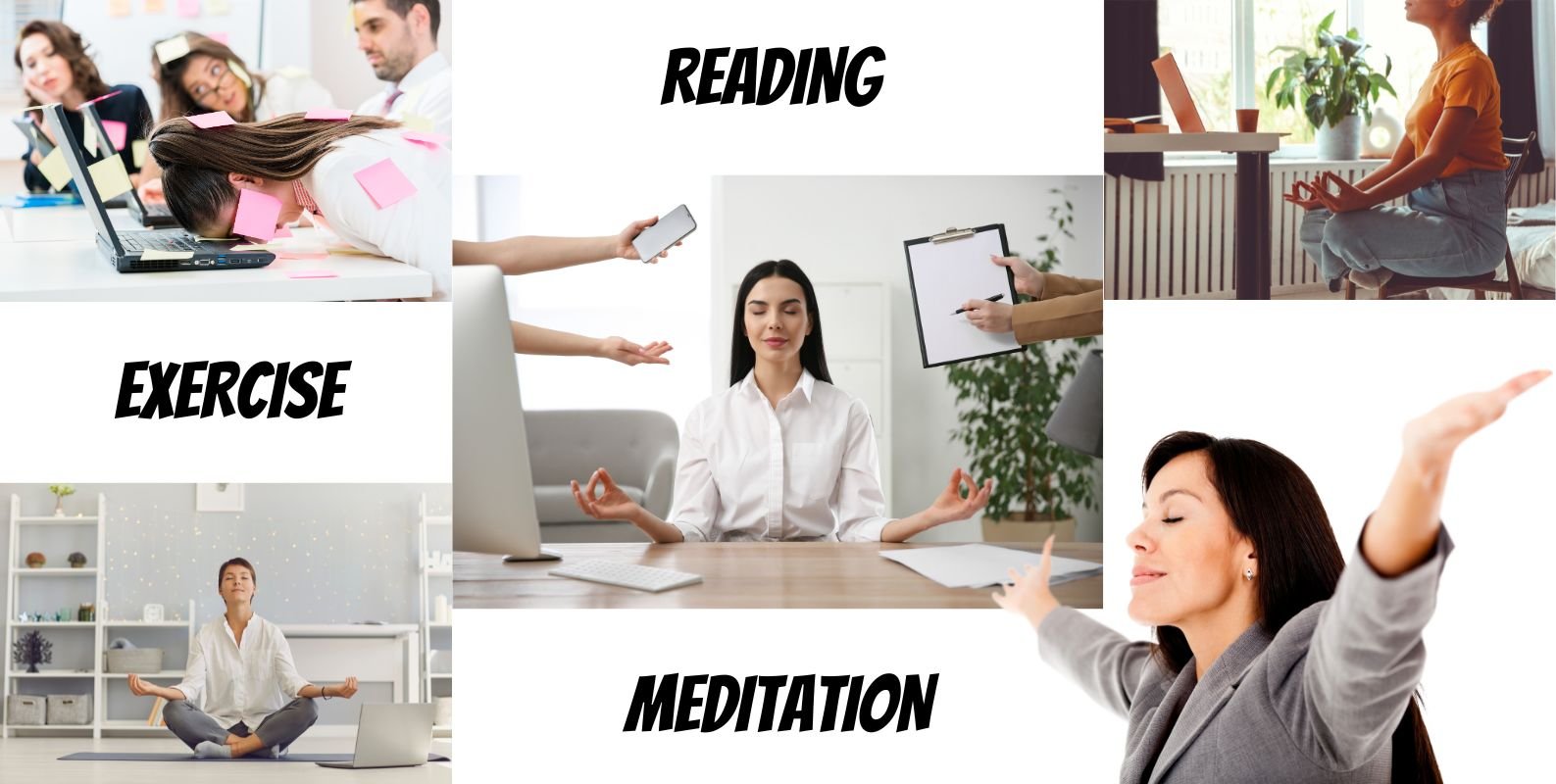
Regular exercise is a powerful stress reliever, releasing endorphins and promoting relaxation. Even amidst a busy schedule, professionals can incorporate short bursts of physical activity, such as brisk walks or desk exercises, to alleviate stress.
B. Relaxation Techniques for Quick Stress Relief
In moments of heightened stress, simple relaxation techniques can provide immediate relief. Techniques such as progressive muscle relaxation, visualization, and aromatherapy can help professionals unwind and regain composure.
C. Cognitive Strategies for Managing Stressful Situations
Cognitive-behavioral techniques, such as reframing negative thoughts and practicing gratitude, can help professionals change their perspective on stressful situations and build resilience in the face of adversity.
VI. Time Management Techniques
A. Prioritizing Tasks to Reduce Overwhelm
Breaking down tasks into smaller, manageable steps can prevent overwhelm and enhance productivity. By prioritizing tasks based on urgency and importance, professionals can focus their energy on high-impact activities.
B. Utilizing Time Blocking for Efficiency
Time blocking involves allocating specific time slots for different tasks or activities. This structured approach can help professionals make the most of their time and minimize distractions.
C. Delegating Responsibilities to Maintain Balance
Delegation is a valuable skill for busy professionals, allowing them to distribute tasks effectively and free up time for higher-priority activities. By trusting others with certain responsibilities, professionals can prevent burnout and maintain balance.
VII. Setting Clear Goals and Objectives
A. Establishing SMART Goals for Professional and Personal Growth
SMART goals are specific, measurable, achievable, relevant, and time-bound. By setting clear objectives aligned with these criteria, professionals can stay focused and motivated in pursuit of their aspirations.
B. Creating Action Plans to Achieve Goals
Breaking down goals into actionable steps is essential for progress and success. Professionals can create detailed action plans outlining tasks, deadlines, and milestones to keep themselves on track.
C. Monitoring Progress and Adjusting Strategies as Needed
Regularly reviewing progress and making adjustments as necessary is key to goal attainment. Professionals can track their achievements, identify areas for improvement, and adapt their strategies accordingly.
VIII. Seeking Social Support and Networking
A. Importance of Building a Supportive Professional Network
Having a strong support system is invaluable for managing stress and overcoming challenges. Professionals can cultivate relationships with colleagues, mentors, and peers who provide encouragement, advice, and perspective.
B. Strategies for Seeking Support from Colleagues and Mentors
When facing difficulties at work, reaching out to trusted colleagues or mentors can offer fresh insights and alternative solutions. By fostering open communication and collaboration, professionals can navigate challenges more effectively.
C. Balancing Work Relationships with Personal Boundaries
While professional relationships are essential, it’s crucial to maintain boundaries to protect personal well-being. Professionals can strike a balance between being supportive team members and safeguarding their own mental and emotional health.
IX. Developing Resilience Skills
A. Understanding the Role of Resilience in Stress Management
Resilience is the ability to bounce back from setbacks and adversity. Cultivating resilience can help professionals navigate challenges with grace and emerge stronger and more resilient than before.
B. Building Resilience through Adversity
Adversity is an inevitable part of life, but it also presents opportunities for growth and development. By embracing challenges as learning experiences, professionals can build resilience and adaptability.
C. Cultivating a Positive Mindset in Challenging Situations
Maintaining a positive outlook can help professionals weather storms and overcome obstacles with optimism and resilience. By reframing setbacks as temporary setbacks rather than insurmountable barriers, professionals can maintain motivation and momentum.
X. Incorporating Self-Care Practices
A. Importance of Self-Care for Busy Professionals
Self-care is not selfish; it’s essential for maintaining physical, mental, and emotional well-being. Busy professionals must prioritize self-care to recharge and sustain themselves amidst demanding schedules.

B. Self-Care Strategies for Physical and Mental Well-being
Self-care encompasses a range of activities, from exercise and nutrition to relaxation and leisure. Professionals can tailor self-care practices to their individual needs and preferences, ensuring holistic well-being.
C. Making Self-Care a Priority in Daily Life
Integrating self-care into daily routines is crucial for consistency and effectiveness. By carving out dedicated time for self-care activities, professionals can nurture themselves and prevent burnout in the long run.
XI. Effective Communication Skills
A. Communicating Assertively to Manage Stressful Situations
Assertive communication involves expressing thoughts, feelings, and needs confidently and respectfully. By communicating assertively, professionals can assert boundaries, resolve conflicts, and reduce stress in interpersonal interactions.
B. Active Listening Techniques for Improved Work Relationships
Active listening is a fundamental communication skill that fosters understanding and empathy. By listening attentively to colleagues and clients, professionals can build rapport, resolve misunderstandings, and enhance collaboration.
C. Resolving Conflict Constructively to Reduce Stress
Conflict is inevitable in any workplace, but it doesn’t have to be detrimental. By approaching conflicts with a solution-oriented mindset and engaging in constructive dialogue, professionals can resolve disputes amicably and minimize stress for all parties involved.
XII. Creating a Supportive Work Environment
A. Promoting Work-Life Balance within the Organization
Organizational culture plays a significant role in shaping the work environment. Employers can promote work-life balance by offering flexible schedules, remote work options, and wellness programs to support employee well-being.
B. Encouraging Open Dialogue About Stress Management
Creating a culture of open communication allows employees to voice their concerns and seek support when needed. Employers can foster an environment where discussions about stress management are encouraged and stigma-free.
C. Implementing Workplace Policies to Support Employee Well-being
In addition to cultural initiatives, organizations can implement policies that prioritize employee well-being, such as mental health days, wellness benefits, and stress management resources. By investing in employee health and happiness, employers can cultivate a loyal and productive workforce.
XIII. Flexibility and Adaptability in Work Practices
A. Embracing Change as an Opportunity for Growth
Change is inevitable in today’s dynamic work environment. By embracing change as an opportunity for growth and innovation, professionals can adapt quickly and thrive amidst uncertainty.
B. Strategies for Adapting to Unexpected Challenges
Flexibility is a valuable asset in navigating unforeseen challenges and disruptions. Professionals can cultivate flexibility by remaining agile, maintaining a positive attitude, and seeking creative solutions to overcome obstacles.
C. Balancing Structure with Flexibility in Work Routines
While structure provides stability and guidance, flexibility allows for adaptability and innovation. Striking a balance between structure and flexibility in work routines enables professionals to respond effectively to changing demands while staying grounded in their goals and priorities.
XIV. Evaluating and Reflecting on Stress Management Strategies
A. Assessing the Effectiveness of Implemented Strategies
Regularly evaluating the effectiveness of stress management strategies is essential for continuous improvement. Professionals can assess the impact of different techniques on their well-being and adjust their approach accordingly.
B. Reflecting on Lessons Learned and Areas for Improvement
Reflection is a powerful tool for personal and professional growth. By reflecting on past experiences and identifying lessons learned, professionals can refine their stress management skills and develop resilience for the future.
C. Making Continuous Adjustments to Enhance Stress Management Skills
Stress management is an ongoing process that requires flexibility and adaptation. By remaining open to change and experimenting with new techniques, professionals can refine their approach to stress management and optimize their well-being.
XV. FAQs: Stress Management for Busy Professionals
A. Common Questions About Managing Stress in a Professional Setting
Q1: How can I manage my stress levels when faced with tight deadlines and high-pressure situations at work?
A1: Prioritize tasks, break them down into smaller steps, and practice relaxation techniques such as deep breathing or mindfulness to stay calm and focused amidst pressure.
Q2: What are some effective ways to maintain work-life balance when work demands seem overwhelming?
A2: Set boundaries between work and personal life, schedule regular breaks, and prioritize self-care activities to recharge and prevent burnout.
Q3: How can I build resilience to cope with the challenges of a demanding professional environment?
A3: Embrace adversity as an opportunity for growth, cultivate a positive mindset, and seek support from colleagues and mentors to build resilience and adaptability.
B. Expert Answers and Advice for Handling Stressful Situations
Q1: How can I manage my stress levels when faced with tight deadlines and high-pressure situations at work?
A1: Prioritize tasks, break them down into smaller steps, and practice relaxation techniques such as deep breathing or mindfulness to stay calm and focused amidst pressure.
Q2: What are some effective ways to maintain work-life balance when work demands seem overwhelming?
A2: Set boundaries between work and personal life, schedule regular breaks, and prioritize self-care activities to recharge and prevent burnout.
Q3: How can I build resilience to cope with the challenges of a demanding professional environment?
A3: Embrace adversity as an opportunity for growth, cultivate a positive mindset, and seek support from colleagues and mentors to build resilience and adaptability.
XVI. Resources for Further Exploration
XVII. Conclusion
In conclusion, mastering stress management strategies is essential for busy professionals to thrive in today’s fast-paced world. By prioritizing work-life balance, practicing mindfulness, and developing resilience, professionals can navigate challenges with grace and maintain well-being amidst demanding schedules. Remember, it’s not about eliminating stress entirely but rather managing it effectively to live a happier, healthier, and more fulfilling life.
Remember to prioritize your well-being amidst your professional pursuits, and may you find success and fulfillment in both your career and personal life.
Important Links
Solar-Powered Cars: Pioneering the Future of Sustainable Transportation by 2030
Discover the Coolest Future Classic Cars 2024 | Revving Up Nostalgia!
7 Essential Psychological Strategies to Boost Your Stock Trading Game