
Table Of Content
Section |
Subsection |
|---|---|
Introduction to Vaccinations |
|
| – Defining Vaccinations and Their Role in Public Health | |
| – Historical Impact of Vaccinations on Disease Eradication | |
| – Current Global Vaccination Coverage and Goals | |
How Vaccines Work |
|
| – The Science Behind Vaccines | |
| – Types of Vaccines and How They Are Made | |
| – The Body’s Immune Response to Vaccines | |
Benefits of Immunization |
|
| – Individual and Community Health Benefits | |
| – Preventing the Spread of Contagious Diseases | |
| – Economic Benefits of Vaccination Programs | |
Vaccine Safety and Efficacy |
|
| – The Vaccine Development Process | |
| – Monitoring Vaccine Safety: Post-Market Surveillance | |
| – Addressing Common Concerns and Myths | |
The Schedule of Vaccinations |
|
| – Recommended Vaccinations for Children | |
| – Adult Vaccinations and Boosters | |
| – Travel Vaccines and Special Cases | |
Herd Immunity Explained |
|
| – The Concept and Importance of Herd Immunity | |
| – Thresholds for Herd Immunity in Various Diseases | |
| – The Role of Vaccination in Achieving Herd Immunity | |
Vaccines and Chronic Diseases |
|
| – Vaccinations Against Human Papillomavirus (HPV) and Hepatitis | |
| – The Role of Vaccines in Cancer Prevention | |
| – Vaccines for Non-Communicable Diseases | |
Overcoming Vaccine Hesitancy |
|
| – Causes of Vaccine Hesitancy | |
| – Strategies for Educating the Public | |
| – Role of Healthcare Providers in Dispelling Myths | |
Global Vaccination Challenges |
|
| – Access to Vaccines in Developing Countries | |
| – Cold Chain and Logistics in Vaccine Distribution | |
| – Political and Economic Barriers | |
Vaccinations and Public Policy |
|
| – Vaccine Mandates and Legislation | |
| – Public Health Campaigns and Education Programs | |
| – Ethical Considerations in Vaccination Policy | |
Innovations in Vaccine Technology |
|
| – mRNA Vaccines and Their Potential | |
| – Advances in Vaccine Delivery Methods | |
| – Research on Universal Vaccines | |
Addressing Vaccine-Preventable Outbreaks |
|
| – Case Studies of Recent Outbreaks | |
| – Response and Containment Strategies | |
| – Lessons Learned for Future Prevention | |
The Role of International Organizations |
|
| – World Health Organization (WHO) and Vaccine Initiatives | |
| – GAVI, the Vaccine Alliance | |
| – Partnership and Funding Models for Global Immunization | |
Vaccine Equity and Accessibility |
|
| – Challenges in Global Vaccine Distribution | |
| – Strategies to Improve Vaccine Equity | |
| – The Importance of International Cooperation | |
The Future of Vaccinations |
|
| – Emerging Infectious Diseases and Vaccine Development | |
| – The Role of Artificial Intelligence and Big Data | |
| – Ethical Considerations for Future Vaccines | |
Frequently Asked Questions (FAQs) |
|
| – Are vaccines safe for everyone? | |
| – Why are vaccines necessary for adults? | |
| – How do vaccines contribute to herd immunity? | |
| – What is being done to ensure vaccine equity? | |
| – How can individuals contribute to public health through vaccination? | |
Conclusion: A Call to Action for Vaccination |
|
| – The Critical Role of Vaccines in Public Health | |
| – Encouraging Community Participation in Vaccination Programs | |
| – Future Directions in Vaccine Research and Policy | |
Resources Section |
|
| – Links to reputable health organizations for vaccine information | |
| – Educational resources for understanding vaccines and immunization | |
| – Directories of vaccination centers and programs |
Discover how vaccinations play a crucial role in preventing chronic diseases. Explore insights and benefits for better health.
Introduction to Vaccinations
Vaccinations have long been a cornerstone of public health, playing a crucial role in preventing the spread of infectious diseases and safeguarding communities worldwide. In this comprehensive guide, we’ll explore everything you need to know about vaccinations – from their historical significance to their modern-day impact on global health.
Defining Vaccinations and Their Role in Public Health
What Are Vaccinations?
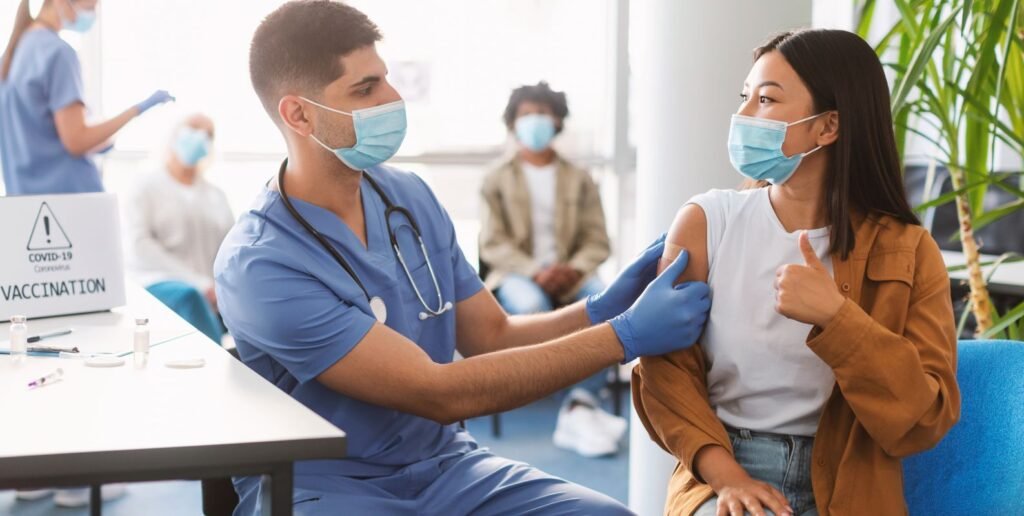
Vaccinations, also known as immunizations, are medical interventions designed to stimulate the body’s immune system to produce an immune response against specific pathogens, such as bacteria or viruses. By introducing a weakened or inactive form of the pathogen or its toxins into the body, vaccines train the immune system to recognize and combat the actual infectious agent if encountered in the future.
The Importance of Vaccinations in Public Health
Vaccinations play a vital role in safeguarding public health by preventing the spread of infectious diseases and reducing the burden of illness, disability, and death. They have been instrumental in controlling and even eradicating many deadly diseases throughout history, making immunization one of the most cost-effective public health interventions available.
Historical Impact of Vaccinations on Disease Eradication
Smallpox Eradication: A Historic Triumph
One of the most remarkable achievements in the history of vaccinations is the eradication of smallpox, a highly contagious and deadly disease caused by the variola virus. Through widespread vaccination campaigns led by the World Health Organization (WHO), smallpox was officially declared eradicated in 1980, marking the culmination of decades of global effort.
Polio Vaccination Campaigns
Polio, another devastating disease, has also seen significant declines thanks to vaccination efforts. The development and widespread use of the polio vaccine have led to a dramatic reduction in polio cases worldwide, bringing us closer to the goal of global eradication.
Current Global Vaccination Coverage and Goals
Global Immunization Efforts
Despite substantial progress in vaccination coverage worldwide, significant challenges remain in reaching all populations with life-saving vaccines. Disparities in access, vaccine hesitancy, and logistical barriers continue to impede efforts to achieve universal immunization coverage.
The Importance of Sustainable Immunization Programs
Sustainable immunization programs are essential for maintaining and improving vaccination coverage rates, particularly in underserved communities and regions with limited healthcare infrastructure. Collaborative efforts between governments, international organizations, and civil society are needed to ensure equitable access to vaccines for all.
How Vaccines Work

The Science Behind Vaccines
Vaccines leverage the body’s natural immune response mechanisms to provide protection against specific diseases. When a vaccine is administered, it stimulates the immune system to produce antibodies – specialized proteins that recognize and neutralize foreign invaders, such as viruses or bacteria.
Types of Vaccines and How They Are Made
There are several types of vaccines, including live attenuated vaccines, inactivated vaccines, subunit vaccines, and mRNA vaccines. Each type works differently but ultimately aims to train the immune system to recognize and respond to the target pathogen effectively.
The Body’s Immune Response to Vaccines
Initiation of Immune Response
Upon vaccination, the body’s immune system recognizes the antigens present in the vaccine as foreign invaders and mounts an immune response. This response involves the activation of various immune cells, including B cells, T cells, and antigen-presenting cells, which work together to eliminate the perceived threat.
Memory and Long-Term Immunity
One of the key benefits of vaccination is the establishment of immunological memory. Following vaccination, the immune system retains a “memory” of the pathogen, enabling it to mount a rapid and robust response upon subsequent exposure. This memory provides long-term protection against the targeted disease.
Benefits of Immunization
Individual and Community Health Benefits
Immunization offers numerous benefits at both the individual and community levels. For individuals, vaccines protect against specific diseases, reducing the risk of illness, complications, and death. At the community level, high vaccination coverage contributes to herd immunity, effectively preventing the spread of contagious diseases and protecting vulnerable populations.

Preventing the Spread of Contagious Diseases
Vaccines are instrumental in controlling the transmission of contagious diseases by reducing the number of susceptible individuals within a population. When a significant portion of the population is vaccinated, the likelihood of disease transmission decreases, leading to overall lower disease incidence and fewer outbreaks.
Economic Benefits of Vaccination Programs
In addition to their health benefits, vaccination programs yield significant economic returns by reducing healthcare costs, productivity losses, and the burden of disease on healthcare systems. Studies have shown that every dollar invested in vaccination yields substantial returns in terms of healthcare savings and economic productivity.
Vaccine Safety and Efficacy
The Vaccine Development Process
The development of vaccines follows a rigorous and multi-stage process, encompassing preclinical research, clinical trials, regulatory review, and post-market surveillance. Each vaccine undergoes extensive testing to ensure its safety, efficacy, and quality before it is approved for public use.

Monitoring Vaccine Safety: Post-Market Surveillance
Even after vaccines are licensed and distributed, ongoing monitoring of their safety and effectiveness is essential. Post-market surveillance systems continuously monitor adverse events following immunization (AEFI) to detect and investigate any potential safety concerns.
Addressing Common Concerns and Myths
Dispelling Vaccine Myths
Despite overwhelming scientific evidence supporting the safety and effectiveness of vaccines, misinformation and myths continue to circulate, leading to vaccine hesitancy and reluctance. Common myths include concerns about vaccine ingredients, links to autism, and the belief that natural immunity is superior to vaccine-induced immunity.
Educating the Public
Addressing vaccine hesitancy requires comprehensive education and communication strategies that emphasize the benefits of immunization, debunk myths, and provide transparent information about vaccine safety and efficacy. Healthcare providers, public health agencies, and community leaders play a critical role in promoting vaccine acceptance and confidence.
The Schedule of Vaccinations
Recommended Vaccinations for Children
The childhood vaccination schedule recommended by health authorities includes vaccines against a variety of infectious diseases, such as measles, mumps, rubella, polio, and diphtheria-tetanus-pertussis (DTaP). Following the recommended schedule ensures that children receive timely protection against vaccine-preventable diseases.
Adult Vaccinations and Boosters
Vaccination is not just for children – adults also benefit from immunization to protect against vaccine-preventable diseases and their complications. Recommended vaccines for adults include influenza, pneumococcal, shingles, and tetanus-diphtheria (Td) or tetanus-diphtheria-pertussis (Tdap) vaccines.
Travel Vaccines and Special Cases
Travelers may require additional vaccines depending on their destination and itinerary. Vaccines for diseases such as yellow fever, typhoid, and hepatitis A and B are commonly recommended for travelers to certain regions where these diseases are prevalent.
Herd Immunity Explained
The Concept and Importance of Herd Immunity
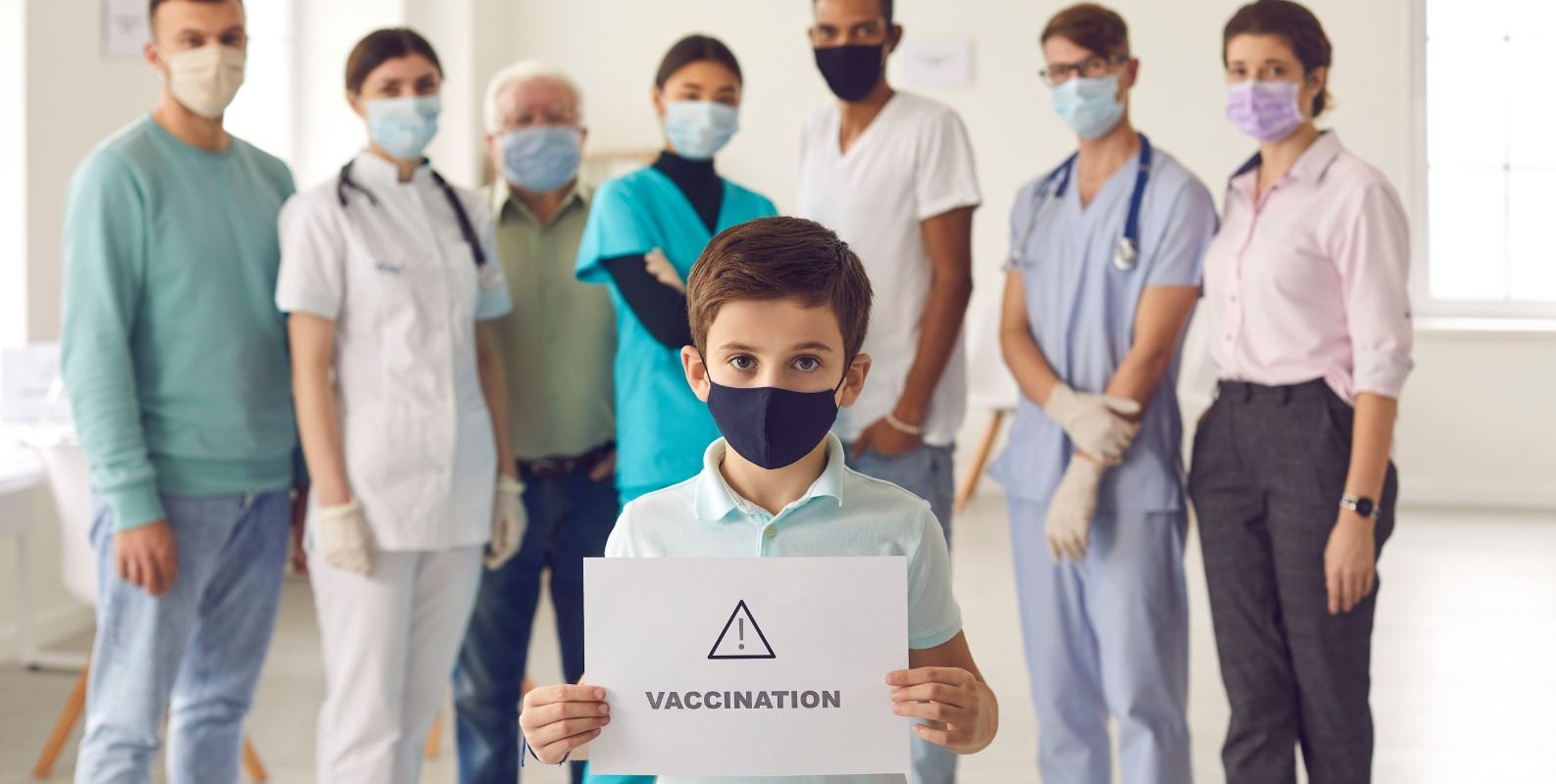
Herd immunity, also known as community immunity, occurs when a significant portion of the population is immune to a specific infectious disease, either through vaccination or prior infection. Herd immunity provides indirect protection to unvaccinated or susceptible individuals by reducing the overall transmission of the disease within the community.
Thresholds for Herd Immunity in Various Diseases
The threshold for achieving herd immunity varies depending on the contagiousness of the disease. For highly contagious diseases like measles, a vaccination coverage of approximately 95% is typically required to interrupt transmission and maintain herd immunity.
The Role of Vaccination in Achieving Herd Immunity
Vaccination is the most effective way to achieve herd immunity without experiencing the burden of disease outbreaks. By vaccinating a large proportion of the population, we can prevent the spread of contagious diseases and protect those who are unable to receive vaccines due to medical reasons or age.
Vaccines and Chronic Diseases
Vaccinations Against Human Papillomavirus (HPV) and Hepatitis
 In addition to preventing acute infectious diseases, vaccines also play a role in preventing chronic conditions such as cancer. Vaccines against human papillomavirus (HPV) and hepatitis B, for example, can significantly reduce the risk of developing cervical cancer and liver cancer, respectively.
The Role of Vaccines in Cancer Prevention
Certain vaccines target infectious agents known to cause cancer, thereby reducing the incidence of cancer-related deaths. Vaccination against HPV, for instance, has been shown to be highly effective in preventing cervical, anal, and oropharyngeal cancers associated with HPV infection.
Vaccines for Non-Communicable Diseases
Research is ongoing to develop vaccines for non-communicable diseases such as Alzheimer’s disease, diabetes, and hypertension. While these vaccines are still in the experimental stages, they hold promise for preventing or delaying the onset of these chronic conditions in the future.
Overcoming Vaccine Hesitancy
Causes of Vaccine Hesitancy

Vaccine hesitancy is influenced by a complex interplay of factors, including concerns about vaccine safety, mistrust of healthcare providers or government authorities, religious or philosophical beliefs, and misinformation spread through social media and other channels.
Strategies for Educating the Public
To address vaccine hesitancy effectively, public health authorities must employ a multi-faceted approach that combines education, communication, and community engagement. Strategies may include targeted outreach campaigns, transparent communication about vaccine safety, and collaboration with trusted community leaders and influencers.
Role of Healthcare Providers in Dispelling Myths
Healthcare providers play a crucial role in addressing vaccine hesitancy by providing accurate information, addressing concerns, and building trust with patients. By engaging in open and empathetic conversations, healthcare professionals can help individuals make informed decisions about vaccination.
Global Vaccination Challenges

Access to Vaccines in Developing Countries
Disparities in access to vaccines persist, particularly in low- and middle-income countries where healthcare infrastructure may be limited, and resources are scarce. Efforts to improve access to vaccines in these regions include international partnerships, vaccine donation programs, and initiatives to strengthen healthcare systems.
Cold Chain and Logistics in Vaccine Distribution
Maintaining the cold chain – the system used to transport and store vaccines at optimal temperatures – is essential for ensuring vaccine potency and efficacy. In many parts of the world, particularly remote or rural areas, maintaining the cold chain presents logistical challenges that must be addressed to ensure vaccine availability and quality.
Political and Economic Barriers
Political instability, economic constraints, and competing priorities can hinder efforts to implement comprehensive immunization programs in some regions. Sustainable funding, political commitment, and strong leadership are essential for overcoming these barriers and advancing global vaccination efforts.
Vaccinations and Public Policy
Vaccine Mandates and Legislation

In some jurisdictions, vaccine mandates – requirements for certain vaccines to attend school or participate in specific activities – are implemented to ensure high vaccination coverage rates and protect public health. Vaccine mandates are often accompanied by exemptions for medical, religious, or philosophical reasons, depending on local laws and regulations.
Public Health Campaigns and Education Programs
Public health campaigns and education programs play a vital role in promoting vaccination acceptance and uptake. These initiatives utilize various communication channels, including traditional media, social media, community events, and educational materials, to disseminate accurate information about vaccines and address common concerns.
Ethical Considerations in Vaccination Policy
Ethical considerations, such as individual autonomy, informed consent, and equity, must be carefully balanced in vaccination policy and practice. While promoting vaccination is essential for public health, policies must respect individuals’ rights to make informed decisions about their healthcare and ensure equitable access to vaccines for all.
Innovations in Vaccine Technology
mRNA Vaccines and Their Potential
mRNA vaccines represent a groundbreaking advancement in vaccine technology, offering potential advantages such as rapid development, scalability, and versatility. These vaccines, which harness the body’s own cellular machinery to produce antigen proteins, have demonstrated remarkable efficacy in preventing infectious diseases, including COVID-19.

Advances in Vaccine Delivery Methods
Innovations in vaccine delivery methods, such as microneedle patches, nasal sprays, and oral vaccines, are expanding options for vaccine administration and improving vaccine accessibility, particularly in resource-limited settings. These novel delivery platforms hold promise for enhancing vaccine coverage and effectiveness.
Research on Universal Vaccines
Researchers are actively pursuing the development of universal vaccines capable of providing broad protection against multiple strains or variants of a pathogen. Universal vaccines target conserved antigenic regions shared by diverse strains, offering the potential for long-lasting immunity and simplified vaccination schedules.
Addressing Vaccine-Preventable Outbreaks
Case Studies of Recent Outbreaks

Recent outbreaks of vaccine-preventable diseases, such as measles and pertussis, serve as stark reminders of the ongoing threat posed by infectious pathogens. These outbreaks highlight the importance of maintaining high vaccination coverage rates and implementing effective outbreak response measures to prevent further spread.
Response and Containment Strategies
In response to vaccine-preventable outbreaks, public health authorities employ various containment strategies, including vaccination campaigns, contact tracing, quarantine measures, and public health messaging. Timely and coordinated efforts are essential for limiting the spread of disease and protecting vulnerable populations.
Lessons Learned for Future Prevention
Each outbreak provides valuable lessons for improving preparedness, response, and prevention efforts in the future. By analyzing outbreak data, identifying gaps in vaccination coverage, and addressing underlying factors contributing to vaccine hesitancy, we can better protect communities from vaccine-preventable diseases.
The Role of International Organizations in Vaccination

World Health Organization (WHO) and Vaccine Initiatives
The World Health Organization (WHO) plays a central role in global vaccination efforts, providing technical guidance, coordinating vaccine procurement and distribution, and supporting immunization programs in member states. Through initiatives such as the Expanded Programme on Immunization (EPI), WHO works to ensure equitable access to vaccines for all.
GAVI, the Vaccine Alliance
GAVI, the Vaccine Alliance, is a public-private partnership dedicated to increasing access to immunization in low-income countries and accelerating the introduction of new vaccines. By leveraging partnerships, innovative financing mechanisms, and market-shaping initiatives, GAVI has helped expand vaccine coverage and save millions of lives.
Partnership and Funding Models for Global Immunization
Collaborative partnerships between governments, international organizations, philanthropic foundations, and the private sector are essential for sustaining global immunization efforts. Innovative funding models, such as the Vaccine Bonds Initiative and advance market commitments, help mobilize resources and accelerate vaccine development and delivery.
Vaccine Equity and Accessibility
Challenges in Global Vaccine Distribution
Despite significant progress in expanding access to vaccines, inequities persist in vaccine distribution, particularly between high-income and low-income countries. Factors such as vaccine supply shortages, distribution logistics, and vaccine nationalism pose challenges to achieving equitable access to vaccines for all.
Strategies to Improve Vaccine Equity
To address vaccine inequities, concerted efforts are needed to strengthen health systems, build local capacity, and address barriers to vaccine access, including poverty, geographic isolation, and social determinants of health. Collaboration between governments, international organizations, and civil society is essential for advancing vaccine equity globally.
The Importance of International Cooperation
Vaccine equity and accessibility require collective action on a global scale, with countries working together to ensure fair and equitable distribution of vaccines to all populations, regardless of geography or socioeconomic status. International cooperation, solidarity, and shared responsibility are essential for achieving universal immunization coverage and ending the COVID-19 pandemic.
The Future of Vaccinations

Emerging Infectious Diseases and Vaccine Development
The emergence of new infectious diseases, such as COVID-19, underscores the ongoing need for investment in vaccine research and development. Advances in vaccine platforms, vaccine design, and manufacturing technologies hold promise for accelerating vaccine development and responding rapidly to emerging threats.
The Role of Artificial Intelligence and Big Data
Artificial intelligence (AI) and big data analytics are revolutionizing vaccine development and surveillance, enabling researchers to predict disease outbreaks, identify vaccine candidates, and optimize vaccine formulations more efficiently. These technologies have the potential to transform vaccine research and improve public health outcomes globally.
Ethical Considerations for Future Vaccines
As vaccine technology continues to evolve, ethical considerations surrounding vaccine research, distribution, and access become increasingly important. Key ethical principles, such as fairness, transparency, and respect for individual autonomy, must guide decision-making to ensure that vaccines are developed and deployed in an equitable and ethical manner.
Conclusion: A Call to Action for Vaccination
Vaccinations are one of the most powerful tools we have for preventing infectious diseases and protecting public health. By understanding the science behind vaccines, addressing common concerns and myths, and promoting vaccine acceptance and uptake, we can work together to build healthier, more resilient communities.
Resources
- World Health Organization (WHO)
- Centers for Disease Control and Prevention (CDC)
- GAVI, the Vaccine Alliance
FAQs
Are vaccines safe for everyone?
Vaccines undergo rigorous testing to ensure their safety and efficacy before they are approved for use. While vaccines are generally safe for the majority of people, rare adverse reactions may occur. It’s essential to discuss any concerns with your healthcare provider.
Why are vaccines necessary for adults?
Vaccines are not just for children – adults also benefit from immunization to protect against vaccine-preventable diseases and their complications. Vaccination helps maintain immunity, reduce disease transmission, and protect vulnerable populations.
How do vaccines contribute to herd immunity?
Vaccines play a crucial role in achieving herd immunity by reducing the overall transmission of infectious diseases within a population. When a significant portion of the population is immune to a disease, either through vaccination or prior infection, it prevents the spread of the disease and protects those who are unable to be vaccinated.
What is being done to ensure vaccine equity?
Efforts to improve vaccine equity include expanding access to vaccines in low-income countries, strengthening healthcare systems, addressing vaccine distribution barriers, and promoting equitable vaccine allocation and delivery. Collaborative partnerships and international cooperation are essential for achieving vaccine equity globally.
How can individuals contribute to public health through vaccination?
Individuals can contribute to public health by staying up-to-date with recommended vaccinations, supporting vaccination efforts in their communities, and promoting vaccine acceptance and confidence among family, friends, and peers. By getting vaccinated, individuals protect themselves and others from vaccine-preventable diseases, helping to build healthier and more resilient communities
Important Links
5 Key Strategies to Enhance National Security USA: Overcoming Today’s Challenges
5 Key Epic Strategies for a Guaranteed Robust Economic Recovery USA Post-Pandemic
5 Eye-Opening Positive Impacts: How Climate Policy in the USA Boosts American Jobs