

Table Of Content
Topic |
Subtopics |
|---|---|
Introduction to Type 2 Diabetes |
Definition and Overview |
| Differences Between Type 1 and Type 2 Diabetes | |
Statistics and Prevalence in Society |
Causes of Type 2 Diabetes |
| Genetic Factors | |
| Lifestyle and Environmental Influences | |
Symptoms and Early Signs |
Recognizing the Symptoms |
| Importance of Early Detection | |
Diagnosis of Type 2 Diabetes |
Medical Tests and Procedures |
| Understanding Your Results | |
Managing Type 2 Diabetes Through Diet |
Essentials of a Diabetic Diet |
| Planning Meals and Snacks | |
| Foods to Avoid | |
Exercise for Diabetics |
Recommended Physical Activities |
| Exercise Plans and Goals | |
| Safety Measures for Diabetics While Exercising | |
Blood Sugar Control Techniques |
Monitoring Blood Sugar Levels |
| Adjusting Your Lifestyle for Better Control | |
Medications for Managing Type 2 Diabetes |
Common Medications and Their Effects |
| Insulin Therapy | |
| Side Effects and Management | |
Lifestyle Adjustments for Diabetics |
Importance of Weight Management |
| Stress Reduction Techniques | |
| Sleep and Diabetes Management | |
Complications of Unmanaged Diabetes |
Short-term and Long-term Risks |
| Preventative Measures | |
Technological Advances in Diabetes Management |
Blood Glucose Monitors and Apps |
| Insulin Pumps and Continuous Glucose Monitoring Systems | |
Support and Resources for Diabetics |
Finding Local and Online Support Groups |
| Educational Resources and Tools | |
| Personal Stories and Experiences | |
Success Stories in Managing Type 2 Diabetes |
Challenges and How They Were Overcome |
Frequently Asked Questions (FAQs) |
Addressing Common Concerns and Misconceptions |
Future Trends in Diabetes Care |
Research Developments |
| Potential Future Treatments | |
Creating a Personalized Diabetes Management Plan |
Working With Your Healthcare Team |
| Setting Realistic Goals and Tracking Progress | |
Conclusion and Call to Action |
Recap of Key Points |
| Encouragement to Take Control of Your Health | |
Resources Section |
Links to reputable diabetes organizations and websites |
| Recommended books and publications on managing Type 2 Diabetes | |
| Apps and tools for tracking diet, exercise, and blood sugar levels |
Managing Type 2 Diabetes: Unleash Insider Tips
Introduction to Type 2 Diabetes

Type 2 diabetes is a prevalent chronic condition characterized by insulin resistance, where the body’s cells do not respond effectively to insulin, leading to elevated blood sugar levels. In this comprehensive guide, we’ll delve into the intricacies of Type 2 diabetes, from its definition and causes to its management and future trends in diabetes care.
Definition and Overview
Type 2 diabetes, also known as adult-onset diabetes, occurs when the body either doesn’t produce enough insulin or becomes resistant to insulin’s effects. Insulin is a hormone produced by the pancreas that regulates blood sugar levels. When insulin resistance develops, glucose cannot enter cells effectively, resulting in high blood sugar levels, a condition known as hyperglycemia.
Differences Between Type 1 and Type 2 Diabetes
While both Type 1 and Type 2 diabetes involve problems with insulin, they differ in their underlying causes. Type 1 diabetes is an autoimmune condition where the body’s immune system mistakenly attacks and destroys insulin-producing cells in the pancreas. In contrast, Type 2 diabetes is often linked to lifestyle factors such as obesity, physical inactivity, and poor diet, although genetic factors also play a significant role.
Statistics and Prevalence in Society
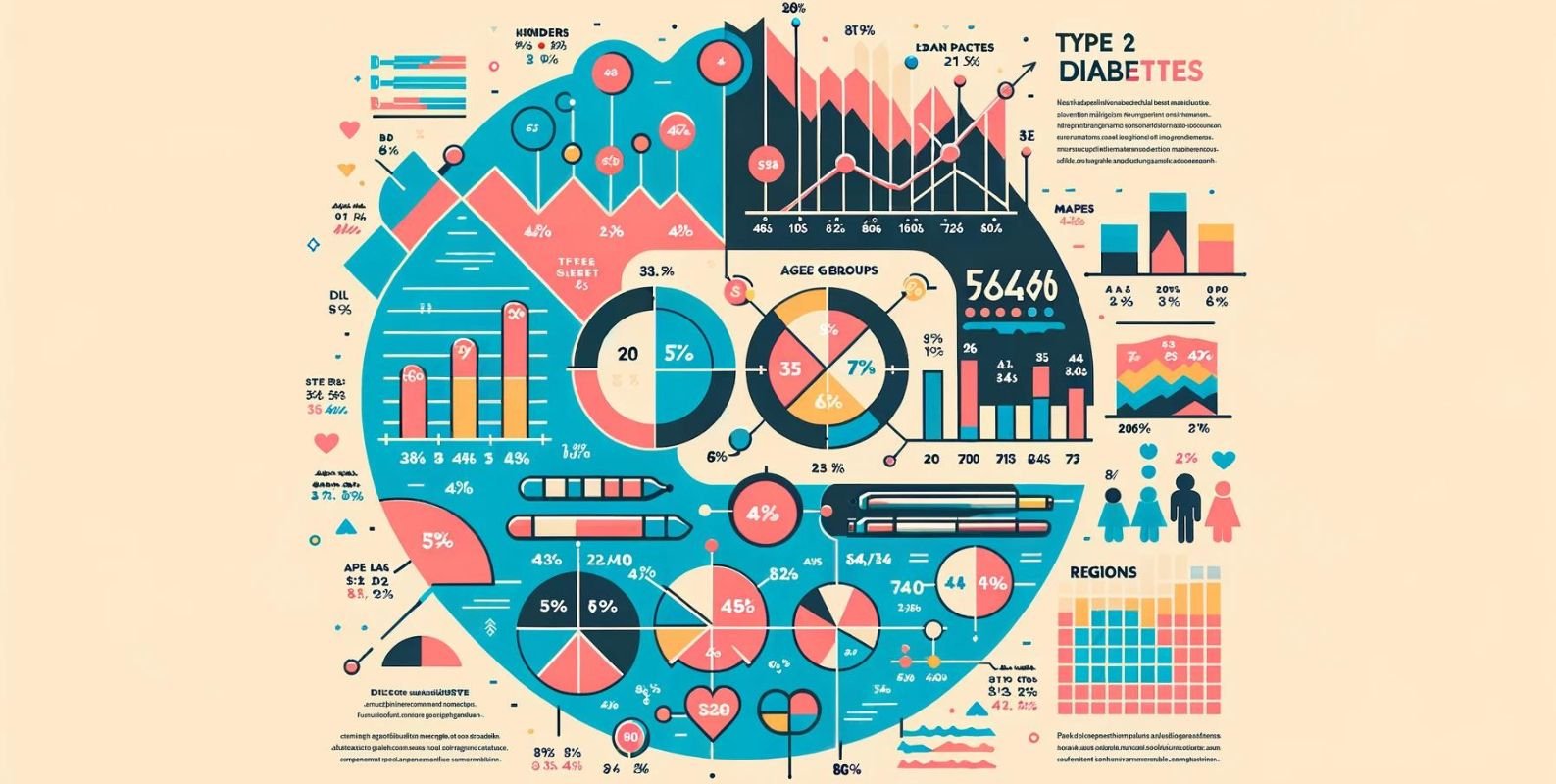
Type 2 diabetes has reached epidemic proportions globally, with millions of people affected worldwide. According to the World Health Organization (WHO), the prevalence of diabetes has been steadily increasing, with an estimated 422 million adults living with diabetes in 2014, a number projected to rise to 642 million by 2040 if current trends continue.
Causes of Type 2 Diabetes
Genetic Factors
Genetics plays a significant role in the development of Type 2 diabetes, with certain genes predisposing individuals to insulin resistance and impaired glucose metabolism. However, genetic susceptibility alone is not sufficient to cause diabetes, and environmental factors often interact with genetic predisposition to trigger the condition.
Lifestyle and Environmental Influences
Unhealthy lifestyle habits, such as poor dietary choices, sedentary behavior, and obesity, are key contributors to Type 2 diabetes. Excess body fat, especially around the abdomen, increases the risk of insulin resistance. Additionally, factors like stress, lack of sleep, and exposure to environmental toxins may also play a role in the development of diabetes.
Symptoms and Early Signs
Recognizing the Symptoms

Early detection of Type 2 diabetes is crucial for preventing complications. Common symptoms include frequent urination, increased thirst, unexplained weight loss, fatigue, blurred vision, and slow wound healing. However, some individuals may experience no symptoms or only mild symptoms initially, making early detection challenging.
Importance of Early Detection
Early diagnosis allows for prompt intervention and better management of the condition, reducing the risk of complications such as heart disease, stroke, kidney damage, nerve damage, and vision loss. Routine screening for diabetes, especially in high-risk individuals, can help identify the condition in its early stages when interventions are most effective.
Diagnosis of Type 2 Diabetes
Medical Tests and Procedures

Diagnosis of Type 2 diabetes typically involves blood tests to measure fasting blood sugar levels, oral glucose tolerance tests, and hemoglobin A1c tests, which provide an average blood sugar level over the past two to three months. These tests help healthcare providers assess glucose metabolism and diagnose diabetes or prediabetes.
Understanding Your Results
Interpreting diabetes test results can be confusing for many individuals. Your healthcare provider can help explain what your blood sugar levels mean and discuss appropriate management strategies based on your individual needs and health status.
Managing Type 2 Diabetes Through Diet
Essentials of a Diabetic Diet
A well-balanced diet is essential for managing Type 2 diabetes and controlling blood sugar levels. Focus on consuming a variety of nutrient-dense foods, including fruits, vegetables, whole grains, lean proteins, and healthy fats. Limit intake of refined carbohydrates, sugary beverages, and processed foods, which can cause blood sugar spikes.

Planning Meals and Snacks
Meal planning is key to maintaining stable blood sugar levels throughout the day. Aim for regular, balanced meals spaced evenly throughout the day, and include healthy snacks if needed to prevent dips in blood sugar. Monitoring portion sizes and carbohydrate intake can help prevent blood sugar fluctuations.
Foods to Avoid
Certain foods can cause blood sugar levels to spike, making them less than ideal choices for individuals with Type 2 diabetes. These include sugary snacks and beverages, refined grains, fried foods, and high-fat dairy products. Opt for whole, minimally processed foods whenever possible to support overall health and diabetes management.
Exercise for Diabetics
Recommended Physical Activities

Regular exercise is a cornerstone of diabetes management,
helping to improve insulin sensitivity, control weight, and lower blood sugar levels. Aim for at least 150 minutes of moderate-intensity aerobic exercise per week, such as brisk walking, swimming, or cycling, along with strength training exercises two to three times per week.
Exercise Plans and Goals
Creating an exercise plan tailored to your preferences, fitness level, and health goals can help you stay motivated and consistent with your workouts. Start slowly and gradually increase the intensity and duration of exercise over time to avoid injury and improve cardiovascular fitness.
Safety Measures for Diabetics While Exercising
Individuals with Type 2 diabetes should take precautions to exercise safely and avoid complications such as hypoglycemia (low blood sugar). Always monitor blood sugar levels before and after exercise, stay hydrated, and carry fast-acting carbohydrates in case of a low blood sugar emergency.
Blood Sugar Control Techniques
Monitoring Blood Sugar Levels
Regular monitoring of blood sugar levels is essential for diabetes management, providing valuable insights into how lifestyle factors, medications, and dietary choices affect glucose levels. Use a blood glucose monitor to track levels throughout the day and adjust treatment accordingly based on your healthcare provider’s recommendations.

Adjusting Your Lifestyle for Better Control
In addition to diet and exercise, other lifestyle factors can influence blood sugar control in individuals with Type 2 diabetes. Prioritize stress management techniques such as mindfulness meditation or deep breathing exercises, aim for adequate sleep each night, and avoid smoking and excessive alcohol consumption, which can negatively impact diabetes management.
Medications for Managing Type 2 Diabetes
Common Medications and Their Effects
Several classes of medications are available for treating Type 2 diabetes, each with unique mechanisms of action and potential side effects. These include metformin, sulfonylureas, meglitinides, thiazolidinediones, DPP-4 inhibitors, GLP-1 receptor agonists, and SGLT2 inhibitors. Your healthcare provider will prescribe the most appropriate medications based on your individual needs and health status.

Insulin Therapy
Insulin therapy may be necessary for individuals with Type 2 diabetes who cannot achieve adequate blood sugar control with oral medications alone. Insulin is typically administered via injection or insulin pump and may be used in combination with other diabetes medications to optimize glucose management.
Side Effects and Management
Like any medication, diabetes drugs can cause side effects ranging from mild to severe. Common side effects include gastrointestinal upset, weight gain, and hypoglycemia. It’s essential to communicate any adverse reactions to your healthcare provider, who can adjust your treatment plan as needed to minimize side effects and maximize efficacy.
Lifestyle Adjustments for Diabetics
Importance of Weight Management

Maintaining a healthy weight is crucial for managing Type 2 diabetes and reducing the risk of complications. Even modest weight loss can improve insulin sensitivity and glycemic control, making it easier to manage blood sugar levels effectively. Focus on sustainable lifestyle changes such as dietary modifications and regular exercise to achieve and maintain a healthy weight.
Stress Reduction Techniques
Chronic stress can contribute to insulin resistance and worsen blood sugar control in individuals with Type 2 diabetes. Implementing stress reduction techniques such as yoga, meditation, tai chi, or spending time in nature can help promote relaxation and improve overall well-being.
Sleep and Diabetes Management
Quality sleep is essential for optimal health and diabetes management. Poor sleep habits, such as inadequate sleep duration or disrupted sleep patterns, can disrupt hormonal balance, increase appetite, and negatively impact blood sugar control. Aim for seven to nine hours of uninterrupted sleep per night to support overall health and diabetes management.
Complications of Unmanaged Diabetes
Short-term and Long-term Risks
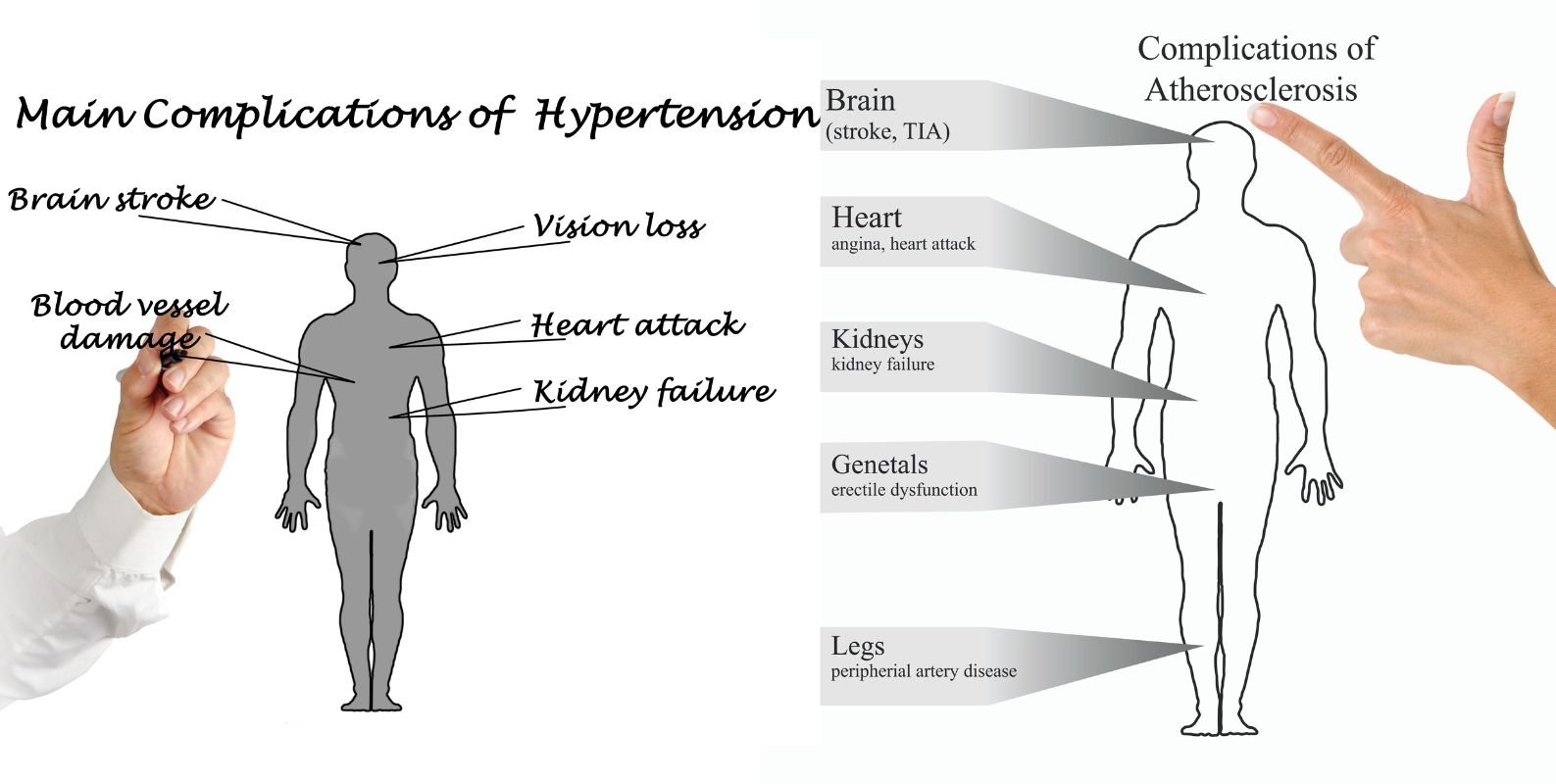
Uncontrolled Type 2 diabetes can lead to a variety of short-term and long-term complications, including acute hyperglycemic emergencies such as diabetic ketoacidosis (DKA) and hyperosmolar hyperglycemic state (HHS), as well as chronic complications such as cardiovascular disease, neuropathy, nephropathy, retinopathy, and foot ulcers. Tight glycemic control and regular monitoring are essential for preventing these complications.
Preventative Measures
Managing Type 2 diabetes effectively can help reduce the risk of complications and improve long-term outcomes. In addition to maintaining stable blood sugar levels through diet, exercise, and medications, it’s essential to address other risk factors such as high blood pressure, high cholesterol, and smoking cessation to reduce the risk of cardiovascular disease and other complications.
Technological Advances in Diabetes Management
Blood Glucose Monitors and Apps
Advances in technology have revolutionized diabetes management, with the development of continuous glucose monitoring (CGM) systems and smartphone apps that allow individuals to track their blood sugar levels in real-time and receive personalized insights and recommendations for managing their condition.
Insulin Pumps and Continuous Glucose Monitoring Systems
Insulin pumps and CGM systems offer greater flexibility and precision in insulin dosing, allowing for more precise control of blood sugar levels and reducing the risk of hypoglycemia. These devices can significantly improve quality of life for individuals with Type 2 diabetes by simplifying insulin administration and minimizing the need for frequent blood sugar checks.
Support and Resources for Diabetics
Finding Local and Online Support Groups
Connecting with other individuals living with Type 2 diabetes can provide valuable emotional support, practical tips, and motivation to manage the condition effectively. Local support groups, online forums, and social media communities offer opportunities to share experiences, ask questions, and learn from others facing similar challenges.

Educational Resources and Tools
Numerous resources are available to help individuals with Type 2 diabetes learn more about their condition and develop the skills needed to manage it successfully. These include educational websites, books, podcasts, online courses, and diabetes self-management programs offered by healthcare organizations and diabetes advocacy groups.
Personal Stories and Experiences
Reading about the experiences of others living with Type 2 diabetes can be inspiring and reassuring, reminding individuals that they are not alone in their journey. Personal stories shared through blogs, memoirs, and patient testimonials offer insights into the daily realities of managing diabetes and overcoming challenges.
Success Stories in Managing Type 2 Diabetes
Challenges and How They Were Overcome

Many individuals living with Type 2 diabetes face various challenges in managing their condition, from navigating dietary restrictions to coping with medication side effects and emotional distress. However, with determination, resilience, and support from healthcare providers and loved ones, it’s possible to overcome these challenges and achieve successful diabetes management.
Frequently Asked Questions (FAQs)
Addressing Common Concerns and Misconceptions
Q: Can Type 2 diabetes be reversed?
A: While Type 2 diabetes cannot be cured, it can often be managed effectively through lifestyle modifications such as healthy eating, regular exercise, and weight management. Some individuals may experience remission of their diabetes with significant lifestyle changes, but ongoing management is typically necessary to prevent relapse.
Q: Is insulin therapy always necessary for Type 2 diabetes?
A: Not everyone with Type 2 diabetes requires insulin therapy. Many individuals can manage their condition with oral medications, lifestyle modifications, and careful monitoring of blood sugar levels. Insulin therapy is typically reserved for individuals who cannot achieve adequate blood sugar control with other treatments alone.
Q: Are all carbohydrates off-limits for individuals with Type 2 diabetes?
A: Carbohydrates can be part of a healthy diet for individuals with Type 2 diabetes, but it’s essential to choose carbohydrates that have a minimal impact on blood sugar levels, such as whole grains, legumes, fruits, and vegetables. Monitoring portion sizes and spacing carbohydrate intake evenly throughout the day can help prevent blood sugar spikes.
Future Trends in Diabetes Care
Research Developments
Ongoing research in the field of diabetes aims to improve our understanding of the disease process, develop more effective treatments, and ultimately find a cure. Advances in areas such as genetics, immunology, stem cell therapy, and artificial pancreas technology hold promise for revolutionizing diabetes care in the future.
Potential Future Treatments
Emerging therapies for Type 2 diabetes may include novel medications targeting specific pathways involved in glucose metabolism, gene editing techniques to correct genetic defects associated with diabetes, and regenerative medicine approaches to restore pancreatic function. These innovative treatments have the potential to transform the lives of individuals living with diabetes.
Creating a Personalized Diabetes Management Plan
Working With Your Healthcare Team
Collaborating with your healthcare provider is essential for developing a personalized diabetes management plan tailored to your individual needs, preferences, and health goals. Your healthcare team can provide guidance on medication management, dietary planning, exercise recommendations, and regular monitoring to help you achieve optimal blood sugar control and overall health.
Setting Realistic Goals and Tracking Progress
Setting realistic goals and tracking your progress is key to successful diabetes management. Whether your goal is to lose weight, improve blood sugar control, or increase physical activity, breaking it down into smaller, achievable steps can make it more manageable. Regularly monitoring your blood sugar levels, weight, and other health metrics can help you stay on track and make adjustments as needed.
Conclusion and Call to Action
In conclusion, Type 2 diabetes is a complex chronic condition that requires comprehensive management strategies encompassing diet, exercise, medication, and lifestyle modifications. By taking proactive steps to manage their condition effectively, individuals with Type 2 diabetes can lead fulfilling lives and reduce their risk of complications. Remember, you are not alone in your diabetes journey, and support and resources are available to help you every step of the way. Take control of your health today and embrace a brighter future with diabetes.
Resources:
- American Diabetes Association (ADA) – www.diabetes.org
- Centers for Disease Control and Prevention (CDC) – www.cdc.gov/diabetes
- Diabetes UK – www.diabetes.org.uk
- MyFitnessPal – www.myfitnesspal.com (for tracking diet and exercise)
- Blood Glucose Tracker App – www.glucosebuddy.com (for monitoring blood sugar levels)
Remember to consult with your healthcare provider for personalized medical advice and treatment recommendations tailored to your individual needs and health status. Take charge of your diabetes management journey and prioritize your health and well-being for a brighter tomorrow.
Important Links
5 Key Strategies to Enhance National Security USA: Overcoming Today’s Challenge
7 Essential Psychological Strategies to Boost Your Stock Trading Game
7 Proven Strategies to Analyze Stocks: Boost Your Portfolio with Expert Insights