

Table Of Content
|
|---|
Improving Mental Health Through Outdoor Activities
Introduction to Outdoor Activities and Mental Health
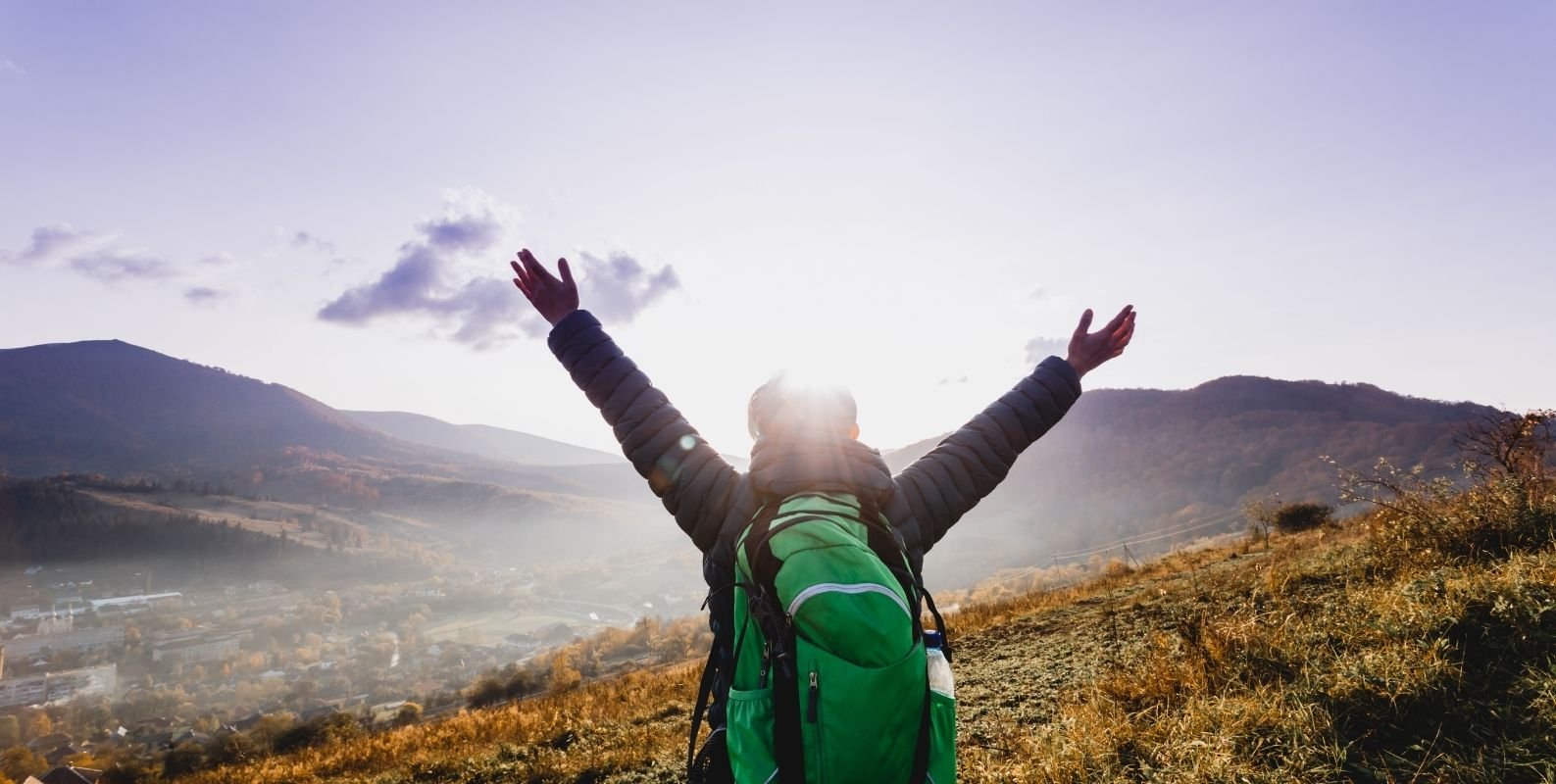
In today’s fast-paced world, mental health issues are increasingly prevalent. Stress, anxiety, and depression have become all too common, affecting people of all ages and backgrounds. However, amidst the hustle and bustle of modern life, there exists a powerful remedy often overlooked: outdoor activities. In this comprehensive guide, we’ll delve into the profound connection between outdoor activities and mental well-being, exploring the science behind it, various types of outdoor pursuits, and practical tips for integrating them into your life.
Understanding the Connection
The Importance of Nature in Our Lives
Before we explore the specifics of outdoor activities, it’s essential to understand the intrinsic connection between humans and nature. From time immemorial, nature has been our home, providing sustenance, shelter, and solace. However, as society progresses, we’ve grown increasingly detached from the natural world, leading to a myriad of physical and mental health issues.
Overview of Mental Health Benefits
Numerous studies have highlighted the positive impact of nature on mental health. From reducing stress and anxiety to enhancing mood and cognitive function, the benefits are manifold. Engaging in outdoor activities allows us to reconnect with nature, fostering a sense of tranquility and well-being.
The Science Behind Nature and Wellness
Psychological Effects of Spending Time in Nature
The psychological effects of spending time in nature are profound. Research has shown that exposure to natural environments can reduce rumination, a key risk factor for depression. Moreover, nature has been found to elicit feelings of awe and wonder, promoting psychological flourishing.
How Outdoor Activities Affect the Brain
Outdoor activities stimulate various regions of the brain associated with pleasure and reward. Physical exercise releases endorphins, neurotransmitters that alleviate pain and elevate mood. Additionally, exposure to natural light helps regulate the body’s circadian rhythm, improving sleep quality and overall well-being.
The Role of Sunlight in Mental Health
Sunlight plays a crucial role in mental health, particularly in the synthesis of vitamin D. Low levels of vitamin D have been linked to depression and other mood disorders. Therefore, spending time outdoors, especially during daylight hours, is essential for maintaining optimal mental health.
Types of Outdoor Activities
Low-Intensity Activities: Walking and Hiking
Walking and hiking are accessible to people of all ages and fitness levels. Whether strolling through a neighborhood park or trekking along mountain trails, these activities provide an excellent opportunity to immerse oneself in nature and reap its benefits.

Moderate-Intensity Activities: Cycling and Kayaking
Cycling and kayaking offer a perfect blend of physical exertion and outdoor exploration. Riding through scenic landscapes or paddling along tranquil waterways can be both exhilarating and therapeutic, allowing individuals to escape the stresses of daily life.
High-Intensity Activities: Rock Climbing and Trail Running
For those seeking a more adrenaline-fueled experience, rock climbing and trail running provide an exhilarating challenge. Scaling rugged cliffs or traversing rugged terrain demands focus, strength, and agility, providing a sense of accomplishment and vitality.
Outdoor Exercise and Mental Health
Benefits of Physical Activity in Nature
Engaging in physical activity outdoors amplifies the mental health benefits. Exercise stimulates the release of endorphins, neurotransmitters that promote feelings of happiness and well-being. Furthermore, the immersive nature of outdoor environments enhances the overall experience, making exercise more enjoyable and sustainable.
Comparing Indoor vs. Outdoor Exercise
While indoor exercise certainly has its merits, outdoor exercise offers unique advantages. The ever-changing scenery and fresh air invigorate the senses, making workouts more engaging and stimulating. Moreover, outdoor environments provide natural obstacles and challenges, promoting functional fitness and mental resilience.
Guidelines for Incorporating Exercise Into Your Routine
To harness the mental health benefits of outdoor exercise, it’s essential to integrate it into your regular routine. Start by setting achievable goals and gradually increasing the intensity and duration of your workouts. Find activities that you enjoy and enlist the support of friends or family members to make it a social experience.
Nature and Stress Reduction
Mechanisms of Stress Relief in Nature
Nature possesses inherent qualities that promote stress relief and relaxation. The sights, sounds, and smells of the natural world have a calming effect on the nervous system, reducing cortisol levels and inducing a state of tranquility. Additionally, the rhythmic patterns found in nature, such as the ebb and flow of tides or the rustling of leaves, help synchronize our internal rhythms, promoting a sense of harmony and well-being.
Nature as a Coping Mechanism
In times of stress or adversity, nature serves as a powerful coping mechanism. Whether it’s taking a leisurely stroll through a park or gazing at the stars on a clear night, immersing oneself in nature provides perspective and solace. Nature reminds us of our place in the world, instilling a sense of awe and humility that transcends our everyday worries and concerns.
Practical Tips for Reducing Stress Through Outdoor Activities
To effectively reduce stress through outdoor activities, it’s essential to be mindful and present in the moment. Take time to notice the beauty and intricacy of the natural world, allowing yourself to be fully immersed in the experience. Practice deep breathing and relaxation techniques to further enhance the calming effects of nature. Remember that the goal is not to escape from stress entirely but to cultivate resilience and inner peace in the face of life’s challenges.
Improving Mood and Wellbeing
Outdoor Activities as Natural Mood Boosters
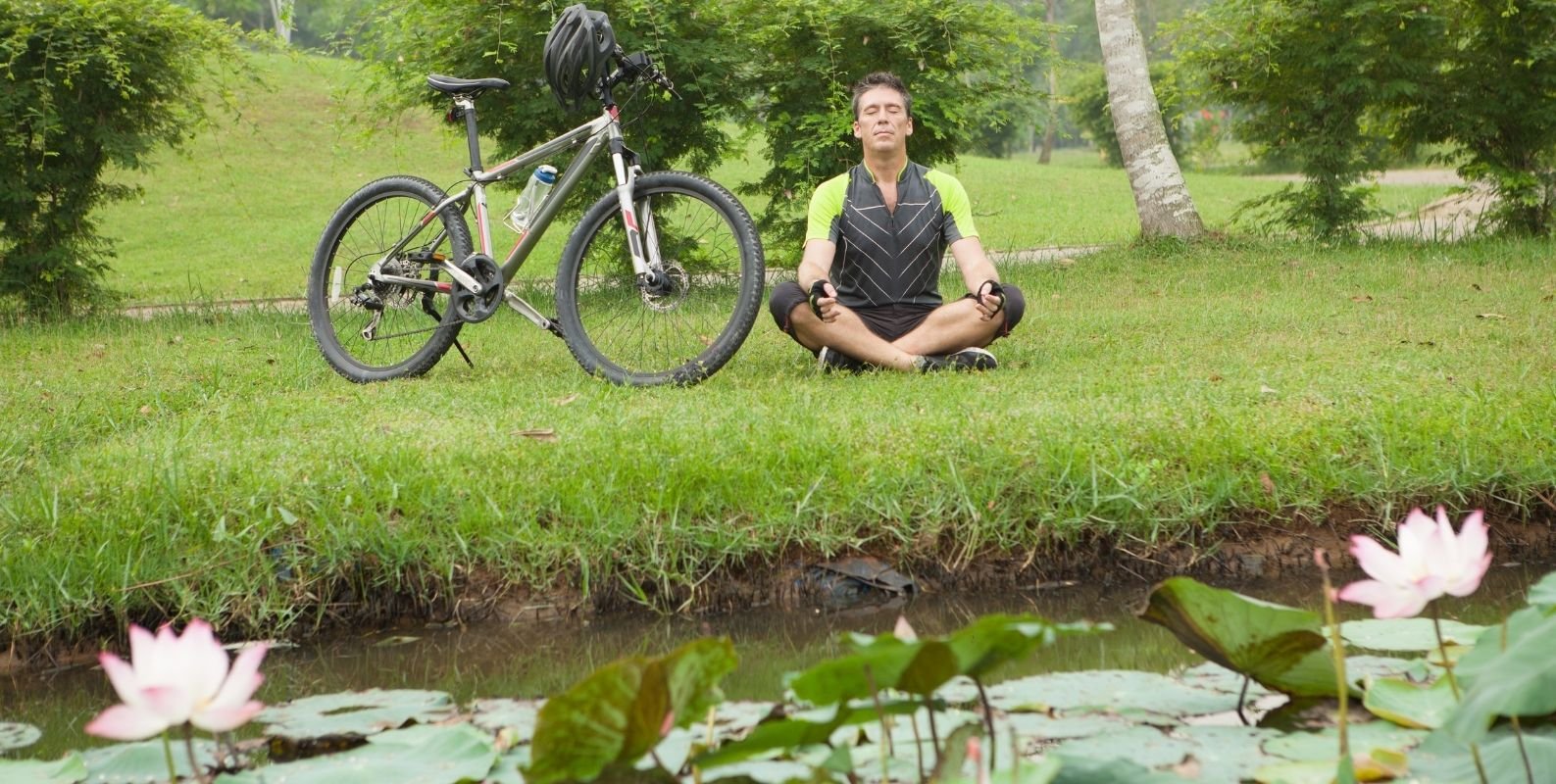
The simple act of spending time outdoors can have a profound impact on mood and well-being. Whether it’s soaking up the sun’s rays, listening to the chirping of birds, or feeling the wind on your face, nature has a way of lifting the spirits and rejuvenating the soul.
The Impact on Depression and Anxiety
Outdoor activities have been shown to alleviate symptoms of depression and anxiety. The combination of physical activity, exposure to natural light, and immersion in natural settings helps regulate mood and reduce feelings of sadness and apprehension. Moreover, the sense of accomplishment and mastery that comes from conquering outdoor challenges can boost self-esteem and confidence.
Case Studies: Success Stories of Improved Mental Health
Countless individuals have experienced transformative changes in their mental health through outdoor activities. From overcoming debilitating anxiety to managing chronic depression, the stories of resilience and triumph are inspiring. Whether it’s summiting a mountain peak or completing a long-distance hike, the sense of achievement and empowerment derived from outdoor pursuits can be life-changing.
Enhancing Cognitive Function
Attention Restoration Theory
Attention Restoration Theory posits that exposure to natural environments replenishes cognitive resources depleted by the demands of daily life. Nature provides a respite from the constant stimulation and distractions of modern society, allowing the mind to relax and recover. As a result, cognitive function improves, leading to enhanced focus, creativity, and problem-solving abilities.
Impact on Creativity and Problem Solving
Numerous studies have demonstrated the positive impact of nature on creativity and problem-solving. Whether it’s a leisurely stroll through a park or a weekend camping trip, time spent in natural environments sparks inspiration and fosters innovation. Nature stimulates the imagination, opening up new possibilities and perspectives that may have been overlooked in a more sterile and structured setting.
Benefits for Children and Adolescents
Outdoor activities are particularly beneficial for children and adolescents, whose developing minds and bodies thrive on exploration and adventure. From climbing trees to building forts, outdoor play fosters creativity, resilience, and social skills. Moreover, exposure to nature at a young age lays the foundation for a lifelong appreciation of the outdoors and its mental health benefits.
Social Benefits of Outdoor Activities
Building Community Through Group Activities
Outdoor activities provide an excellent opportunity to connect with others and build community. Whether it’s joining a hiking club or participating in a beach cleanup, shared outdoor experiences strengthen social bonds and foster a sense of belonging. Moreover, the camaraderie and support of fellow outdoor enthusiasts can provide encouragement and motivation to pursue fitness and wellness goals.
Outdoor Activities for Family Bonding
Family outdoor activities offer a unique opportunity for quality time and bonding. Whether it’s a weekend camping trip or a day at the beach, shared outdoor experiences create lasting memories and strengthen familial relationships. Moreover, outdoor play promotes physical fitness and healthy habits in children, laying the foundation for a lifetime of wellness.

Overcoming Loneliness and Isolation
For those struggling with loneliness and isolation, outdoor activities offer a lifeline of connection and belonging. Joining outdoor clubs or meetup groups provides opportunities to meet like-minded individuals and forge meaningful friendships. Additionally, the shared experience of overcoming outdoor challenges fosters a sense of solidarity and mutual support.
Mindfulness and Outdoor Activities
Practicing Mindfulness in Nature
Mindfulness involves paying attention to the present moment with openness, curiosity, and acceptance. Nature provides an ideal backdrop for mindfulness practice, with its ever-changing sights, sounds, and sensations. Whether it’s meditating by a babbling brook or practicing yoga in a serene forest clearing, outdoor environments facilitate deep presence and awareness.
Connection Between Mindfulness and Mental Health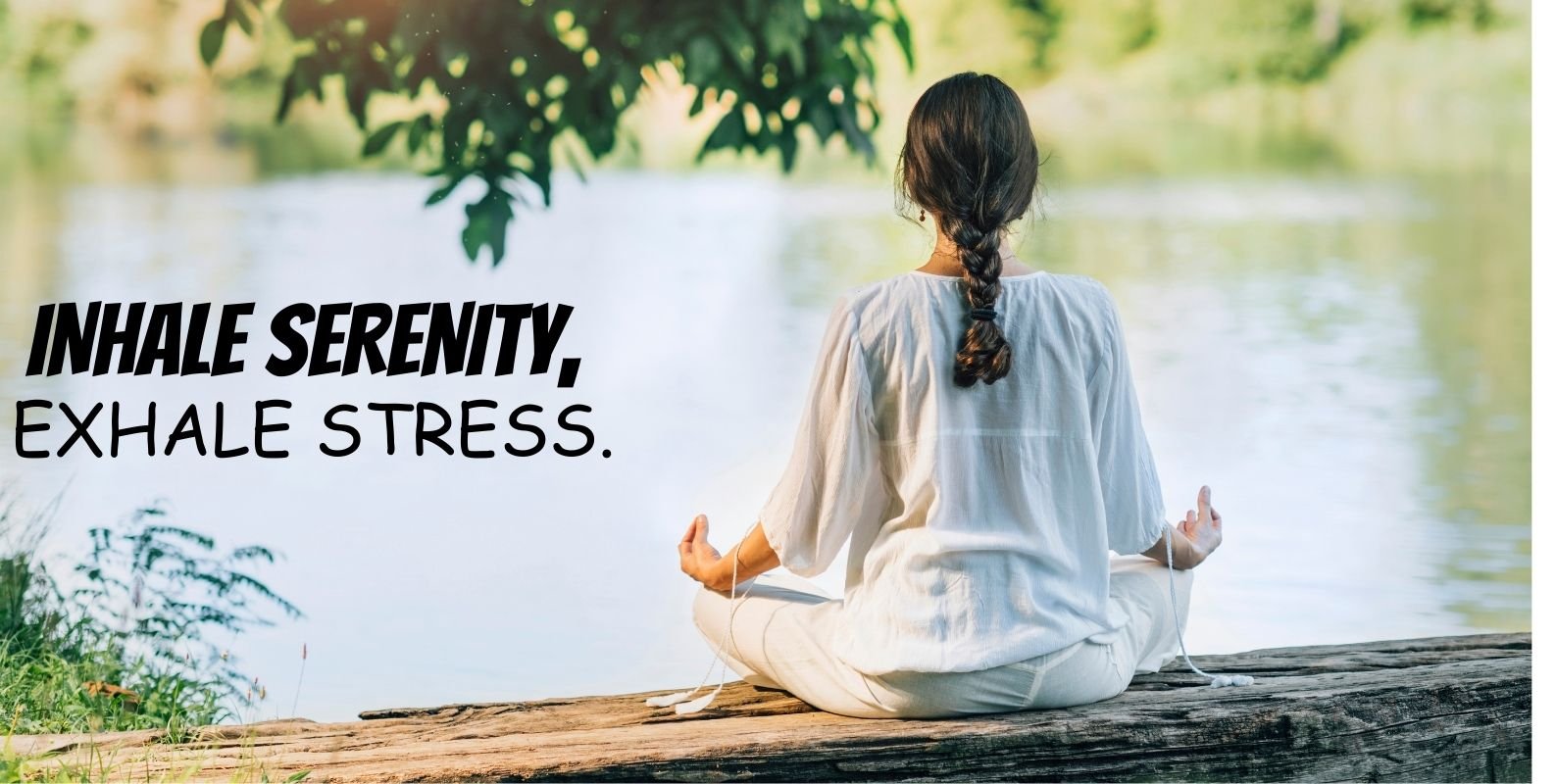
Mindfulness has been shown to have numerous mental health benefits, including stress reduction, emotional regulation, and increased self-awareness. By cultivating a non-judgmental attitude towards our thoughts and feelings, mindfulness helps break the cycle of rumination and negative thinking patterns. Moreover, the sensory richness of nature enhances the mindfulness experience, grounding us in the present moment and fostering a sense of peace and tranquility.
Simple Mindfulness Exercises for Outdoor Enthusiasts
Incorporating mindfulness into outdoor activities is simple and accessible to everyone. Begin by tuning into your senses, noticing the sights, sounds, and smells of your surroundings. Take slow, deep breaths, allowing yourself to fully immerse in the present moment. Engage in activities mindfully, whether it’s walking, gardening, or simply sitting and observing nature. By bringing mindful awareness to your outdoor experiences, you can deepen your connection to the natural world and nourish your mental well-being.
Barriers to Outdoor Activities
Overcoming Common Obstacles

While the benefits of outdoor activities are undeniable, many individuals face barriers to participation. Lack of time, resources, and accessibility are common challenges that can hinder engagement in outdoor pursuits. However, with creativity and determination, these obstacles can be overcome through innovative solutions and community support.
Solutions for Urban Dwellers
Even in urban environments, opportunities for outdoor recreation abound. City parks, green spaces, and urban trails offer oases of nature amidst the concrete jungle. Additionally, community gardens, rooftop farms, and public art installations provide opportunities for outdoor engagement and connection with nature.
Adapting Activities for Different Abilities
Outdoor activities can and should be inclusive of individuals of all abilities. Whether it’s providing wheelchair-accessible trails, adaptive equipment, or sensory-friendly programming, efforts should be made to ensure that everyone has the opportunity to experience the transformative power of nature. By fostering a culture of accessibility and inclusivity, outdoor spaces can become truly welcoming and enriching environments for all.
Environmental Awareness and Conservation
The Interconnection of Mental Health and Environmental Health
The health of the planet is intricately linked to human well-being. As stewards of the earth, it is our responsibility to protect and preserve the natural environments that sustain us. By fostering a deeper connection to nature, outdoor activities can instil a sense of environmental awareness and inspire conservation action.
Responsible Outdoor Activities
Responsible outdoor activities prioritize the preservation of natural habitats and ecosystems. This includes practicing Leave No Trace principles, minimizing environmental impact, and respecting wildlife and indigenous cultures. By treading lightly on the earth, outdoor enthusiasts can ensure that future generations will continue to enjoy the beauty and benefits of nature.
Promoting Conservation Through Outdoor Engagement
Outdoor activities provide a unique opportunity to engage with nature on a personal level, fostering a sense of connection and stewardship. By participating in conservation initiatives such as trail maintenance, habitat restoration, and environmental education programs, outdoor enthusiasts can actively contribute to the protection and preservation of natural spaces. Through collective action and advocacy, we can ensure that our planet remains a healthy and vibrant home for all living beings.
Seasonal Affective Disorder (SAD) and Outdoor Activities
Understanding SAD
Seasonal Affective Disorder (SAD) is a type of depression that occurs at a specific time of year, usually during the winter months when sunlight is scarce. Symptoms include low mood, fatigue, and changes in appetite and sleep patterns. While the exact cause of SAD is unknown, it is thought to be related to disruptions in the body’s circadian rhythm and serotonin levels.
Role of Outdoor Activities in Managing Seasonal Depression
Outdoor activities play a crucial role in managing SAD by increasing exposure to natural light and promoting physical activity. Sunlight stimulates the production of serotonin, a neurotransmitter that regulates mood and promotes feelings of well-being. Moreover, engaging in outdoor pursuits during the winter months helps combat feelings of isolation and lethargy, providing a much-needed boost to mental and emotional health.
Tips for Staying Active During Colder Months
Staying active during the colder months can be challenging, but with the right mindset and preparation, it’s entirely achievable. Bundle up in warm, waterproof layers, invest in quality winter gear, and choose activities that you enjoy and that are suitable for the season. Whether it’s skiing, snowshoeing, or simply taking brisk walks in the crisp winter air, there are plenty of ways to stay active and engaged outdoors, even when the temperature drops.
Planning and Preparing for Outdoor Activities
Choosing the Right Activity
When planning outdoor activities, it’s essential to consider factors such as your fitness level, experience, and personal preferences. Whether you’re a beginner looking to dip your toes into the world of outdoor recreation or an experienced adventurer seeking a new challenge, there’s an activity out there for everyone. Take time to research different options and choose activities that align with your interests and goals.
Safety Tips and Considerations
Safety should always be a top priority when engaging in outdoor activities. Before embarking on any adventure, familiarize yourself with the terrain, weather conditions, and potential hazards. Pack essential gear such as maps, first aid kits, and emergency supplies, and let someone know your plans and expected return time. Remember to stay hydrated, dress appropriately for the weather, and listen to your body’s signals.
Essential Gear and Equipment
Having the right gear can make all the difference when it comes to enjoying outdoor activities safely and comfortably. Invest in high-quality equipment that is suitable for your chosen activity, whether it’s hiking boots, a sturdy backpack, or a reliable tent. Don’t forget to pack essential items such as water, snacks, sunscreen, and insect repellent, and always check the weather forecast before heading out.
Conclusion: Taking the Next Steps
In conclusion, outdoor activities offer a powerful antidote to the stresses and strains of modern life. From reducing stress and anxiety to enhancing mood and cognitive function, the benefits of spending time in nature are undeniable. By incorporating outdoor pursuits into your regular routine, you can improve your mental health, boost your well-being, and cultivate a deeper connection to the natural world. So why wait? Take the next steps towards a healthier, happier you by embracing the great outdoors today.
Resources Section
Links to Mental Health Organizations Promoting Outdoor Activities
- National Alliance on Mental Illness (NAMI)
- Mental Health America (MHA)
- Anxiety and Depression Association of America (ADAA)
Guides to Outdoor Activities Suitable for Various Fitness Levels
- American Hiking Society
- Offers guides and resources for hikers of all levels, including trail maps, gear recommendations, and safety tips.
- Rails-to-Trails Conservancy
- Provides information on biking and hiking trails across the United States, including trail maps, reviews, and trail user guides.
- REI Co-op
- Features articles and tutorials on a wide range of outdoor activities, from camping and backpacking to rock climbing and paddling.
Directory of National and State Parks, and Outdoor Groups
- National Park Service
- Official website of the National Park Service, featuring information on national parks, monuments, and historic sites across the United States.
- State Parks
- Provides a comprehensive directory of state parks, forests, and recreational areas nationwide, with details on amenities, activities, and camping options.
- Meetup
- A platform for finding and joining outdoor groups and events in your area, including hiking clubs, cycling groups, and nature photography meetups.
FAQs Section
How do outdoor activities improve mental health?
Outdoor activities improve mental health through various mechanisms, including exposure to natural light, physical exercise, stress reduction, and social interaction. Engaging in outdoor pursuits promotes feelings of well-being, reduces symptoms of anxiety and depression, and enhances overall quality of life.
What are some easy ways to start incorporating outdoor activities into my life?
There are many easy ways to start incorporating outdoor activities into your life, regardless of your fitness level or experience. Start by taking short walks in your neighborhood or local park, or try gardening or birdwatching in your backyard. Gradually increase the duration and intensity of your outdoor activities as you become more comfortable and confident.
Can outdoor activities help with serious mental health issues?
Yes, outdoor activities can help with serious mental health issues such as depression, anxiety, and PTSD. Spending time in nature has been shown to reduce symptoms of these conditions and improve overall mental well-being. However, it’s essential to seek professional help and support in addition to engaging in outdoor activities as part of a comprehensive treatment plan.
How much time should I spend outdoors to see benefits?
While any amount of time spent outdoors can be beneficial for mental health, experts recommend aiming for at least 120 minutes per week in nature to reap the full benefits. This could be spread out over several shorter outings or a few longer excursions, depending on your schedule and preferences.
Are there outdoor activities that are particularly good for mental health?
While any outdoor activity can be beneficial for mental health, certain activities are especially conducive to well-being. These include walking, hiking, cycling, gardening, and practising mindfulness in nature. Choose activities that you enjoy and that bring you a sense of joy, relaxation, and connection to the natural world.
Important Links
5 Key Insights: The 2024 Presidential Election – Predictions, Candidates & More!